
Remote work has reshaped many industries, and healthcare is no exception. While doctors, nurses, and technicians often remain associated with in-person care, a growing number of healthcare roles now happen behind the scenes from home offices. Among the most popular of these options is medical billing and coding, a career path that supports patient care, insurance claims, reimbursement, and accurate medical records without requiring direct patient treatment.
TLDR: Medical billing and coding is becoming a popular remote healthcare career because it combines flexibility, job stability, and an essential role in the healthcare system. Professionals in this field translate medical services into standardized codes and help ensure providers are paid correctly. As telehealth, electronic health records, and insurance complexity continue to grow, demand for trained billing and coding specialists is expected to remain strong.
What Medical Billing and Coding Professionals Do
Medical billing and coding are closely related but not exactly the same. Medical coders review clinical documentation and convert diagnoses, procedures, treatments, and services into standardized codes. These codes come from systems such as ICD, CPT, and HCPCS, which allow healthcare providers, insurers, and government programs to communicate consistently.
Medical billers use those codes to prepare and submit insurance claims. They may also follow up on unpaid claims, correct rejected submissions, post payments, and communicate with insurance companies or patients about balances. In some workplaces, one professional handles both billing and coding tasks, while larger organizations may separate the responsibilities.
The work requires attention to detail, confidentiality, and a strong understanding of healthcare documentation. Even small coding errors can cause claim denials, delayed payments, compliance concerns, or inaccurate patient records. Because of that, skilled billing and coding workers play a vital role in keeping healthcare organizations financially stable and administratively efficient.
Why the Career Is Well Suited for Remote Work
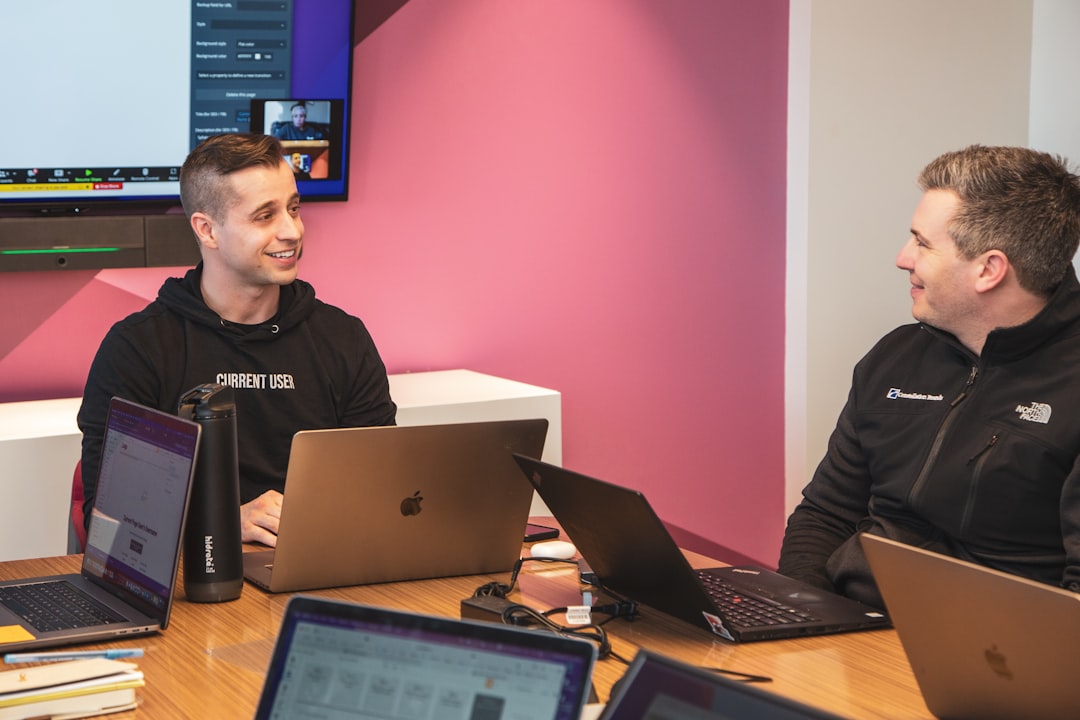
Medical billing and coding has become one of the most remote-friendly healthcare careers because much of the work is digital. Professionals typically review electronic health records, insurance portals, claim forms, and coding references from a computer. As long as secure systems are in place, many tasks can be completed from almost anywhere.
Healthcare organizations have also become more comfortable with remote administrative teams. Secure logins, encrypted communication, virtual private networks, and cloud-based billing platforms allow employers to protect patient information while giving staff flexibility. This has created opportunities for experienced professionals and entry-level workers who want a healthcare career without relocating or commuting daily.
Remote billing and coding roles may be available through hospitals, physician practices, outpatient clinics, dental offices, insurance companies, third-party billing services, and healthcare consulting firms. Some professionals also work as independent contractors, although self-employment often requires more experience and business knowledge.
The Growing Demand for Healthcare Administration
The healthcare industry continues to expand as populations age, chronic conditions increase, and more people seek medical services. Every patient visit, diagnostic test, surgery, therapy session, and telehealth appointment must be documented, coded, billed, and processed. That creates a consistent need for administrative professionals who understand medical language and reimbursement systems.
Insurance rules are also becoming more complex. Providers must follow payer-specific requirements, prior authorization rules, medical necessity guidelines, and compliance standards. Accurate coding helps prevent underbilling, overbilling, fraud concerns, and claim denials. As a result, trained billing and coding specialists are increasingly valued by employers that want to improve revenue cycles and reduce costly errors.
Another reason for growth is the rise of value-based care, where reimbursement may be tied to patient outcomes, quality reporting, and accurate documentation. Coding data helps healthcare organizations track conditions, measure performance, and report care quality. This means coding is not only about payment; it also supports analytics, public health statistics, and healthcare planning.
Flexibility Is a Major Attraction
One of the biggest reasons medical billing and coding is growing in popularity is flexibility. Many people are drawn to the field because it may offer remote work, full-time or part-time schedules, and opportunities in different healthcare settings. For parents, caregivers, military spouses, people living in rural areas, or individuals who prefer quiet independent work, this flexibility can be especially appealing.
Although remote jobs still require professionalism and productivity, they may reduce commuting time and create a better work-life balance. A billing and coding specialist may be able to work from a home office while still contributing to a hospital, clinic, or national healthcare company. This blend of stability and flexibility makes the career stand out compared with many traditional healthcare roles.
- Lower commuting costs: Remote workers may save money on fuel, parking, public transportation, and work clothing.
- More location options: Professionals may apply for jobs outside their immediate city or region.
- Potential schedule variety: Some employers offer daytime, evening, part-time, or flexible shifts.
- Healthcare connection: Workers can contribute to patient care systems without providing clinical treatment.
A Career Path That Does Not Always Require a Degree
Medical billing and coding is also popular because it can be more accessible than many clinical healthcare careers. While some employers prefer candidates with an associate degree or healthcare experience, many entry-level roles focus on training, certification, and knowledge of coding systems. Certificate programs may be completed in months rather than years, depending on the school, schedule, and student commitment.
Common certifications include credentials offered by professional organizations such as the AAPC and AHIMA. Examples may include Certified Professional Coder, Certified Coding Specialist, or Certified Billing and Coding Specialist credentials. Certification is not always legally required, but it can strengthen a job application and demonstrate that a candidate understands medical terminology, anatomy, coding guidelines, and compliance basics.
People entering the field generally study subjects such as:
- Medical terminology
- Anatomy and physiology
- ICD diagnosis coding
- CPT and HCPCS procedure coding
- Health insurance processes
- HIPAA and patient privacy
- Revenue cycle management
- Electronic health records

The Role of Technology in Career Growth
Technology has made medical billing and coding more efficient, but it has not eliminated the need for human judgment. Coding software, claim scrubbers, artificial intelligence tools, and electronic records can help identify possible codes or errors. However, these systems still rely on trained professionals to interpret documentation, apply guidelines, review exceptions, and ensure accuracy.
In fact, technology may increase the value of skilled workers. As software handles repetitive tasks, billing and coding professionals may focus more on auditing, compliance, denial management, documentation improvement, and complex coding cases. Those who are comfortable learning new platforms and adapting to digital workflows may find more opportunities over time.
Remote workers in this field also need strong technical habits. They must maintain secure workspaces, use approved devices, protect patient information, and follow employer policies. Because healthcare data is highly sensitive, professionalism and privacy are essential whether the work is done in an office or at home.
Skills That Help Professionals Succeed
Medical billing and coding requires more than memorizing codes. Successful professionals tend to be organized, patient, and detail-oriented. They must read medical notes carefully, identify missing information, and understand how rules apply to different services and payers.
Strong communication skills are also important. A biller may need to contact insurance representatives, explain claim issues, or request clarification from a provider. A coder may need to query a physician when documentation is incomplete. In remote environments, clear written communication becomes even more important because many discussions happen through email, messaging platforms, or ticketing systems.
Helpful skills include:
- Accuracy: Codes and claim details must be entered correctly.
- Research ability: Guidelines, payer policies, and coding rules change regularly.
- Ethical judgment: Professionals must code based on documentation, not desired payment outcomes.
- Time management: Remote workers often manage productivity targets and deadlines independently.
- Confidentiality: Patient information must be protected at all times.
Challenges to Consider
Although medical billing and coding can be rewarding, it is not effortless. Beginners may find the learning curve challenging because there are many code sets, rules, modifiers, insurance terms, and documentation standards to understand. Entry-level job searches can also be competitive, especially for fully remote roles. Some employers prefer candidates who already have experience or certification.
Remote work itself can bring challenges. Professionals must stay focused without direct supervision, maintain a distraction-free workspace, and separate personal time from work responsibilities. They may also need to meet productivity standards, quality scores, and turnaround times.
Additionally, the field requires ongoing education. Coding guidelines are updated regularly, payer requirements change, and healthcare regulations evolve. A person who enjoys continuous learning is more likely to thrive than someone who wants a static, unchanging job.
Why Employers Value Remote Billing and Coding Teams
Employers often benefit from remote billing and coding arrangements as well. Remote staffing can help healthcare organizations access a broader talent pool, reduce office space needs, and support extended coverage across time zones. For organizations facing staffing shortages, remote options may make it easier to recruit and retain qualified professionals.
Accurate billing and coding directly affect cash flow. When claims are submitted correctly the first time, providers may receive payment faster and spend less time appealing denials. Skilled coders can also help identify documentation gaps, support compliance audits, and improve reporting accuracy. These contributions make the role important to both financial performance and operational quality.

Career Advancement Opportunities
Medical billing and coding can also serve as a foundation for advancement within healthcare administration. With experience, professionals may move into auditing, compliance, revenue cycle management, provider education, medical records management, or health information management. Some become coding supervisors, billing managers, denial specialists, or consultants.
Specialization can also improve career prospects. Coders may focus on areas such as outpatient surgery, emergency medicine, cardiology, oncology, anesthesia, risk adjustment, or inpatient coding. Specialized knowledge can make a professional more competitive, especially when employers need expertise in complex service lines.
Because the healthcare system depends heavily on accurate information, professionals who combine coding knowledge with leadership, analytics, and technology skills may find long-term career growth. The field can be a starting point, a stable long-term role, or a stepping stone into broader healthcare operations.
The Future of Remote Medical Billing and Coding
The popularity of remote medical billing and coding is likely to continue as healthcare becomes more digital. Telehealth visits, remote patient monitoring, and electronic documentation all generate data that must be coded and billed correctly. At the same time, providers remain under pressure to control costs, comply with regulations, and improve reimbursement accuracy.
Automation may change the daily tasks of billing and coding professionals, but it is unlikely to remove the need for trained human oversight. Healthcare documentation can be complex, incomplete, or open to interpretation. Professionals who understand both coding rules and real-world clinical documentation will remain important in ensuring that claims and records are accurate.
For individuals seeking a remote career with a connection to healthcare, medical billing and coding offers a practical and increasingly popular path. It combines administrative skill, healthcare knowledge, technology use, and the possibility of flexible work. While it requires training, precision, and continuous learning, it can provide a meaningful role in a field that continues to grow.
FAQ
What is medical billing and coding?
Medical billing and coding is the process of translating healthcare services into standardized codes and using those codes to submit insurance claims. Coders focus on assigning accurate codes, while billers focus on claims, payments, denials, and reimbursement.
Can medical billing and coding be done from home?
Yes, many medical billing and coding jobs can be done remotely because the work is largely computer-based. However, remote workers must follow strict privacy and security rules to protect patient information.
Is certification required to get a job?
Certification is not always required, but many employers prefer or strongly recommend it. A recognized certification can help candidates show that they understand coding systems, medical terminology, compliance, and billing processes.
Is medical billing and coding hard to learn?
It can be challenging at first because there are many rules, code sets, and insurance processes to understand. However, with structured training, practice, and attention to detail, many students successfully learn the field.
Why is medical billing and coding growing in popularity?
It is growing in popularity because it offers a combination of healthcare industry stability, remote work potential, flexible career paths, and accessible training options. The increasing complexity of healthcare reimbursement also creates demand for skilled professionals.
What skills are most important for remote billing and coding jobs?
Important skills include accuracy, organization, time management, communication, confidentiality, and comfort with technology. Remote professionals must also be self-motivated and able to work independently.
Can beginners find remote medical billing and coding jobs?
Beginners can find remote roles, but entry-level remote positions may be competitive. Certification, internships, practical training, and willingness to start in related administrative roles can improve job prospects.
Does automation threaten medical billing and coding careers?
Automation may change the work by handling some repetitive tasks, but trained professionals are still needed to review documentation, apply judgment, manage exceptions, ensure compliance, and correct errors.