
Chatbots have moved from simple website widgets to strategic digital products that support sales, service, operations, and patient engagement. For SaaS companies, ecommerce brands, and healthcare organizations, the best chatbot development services do more than automate replies; they design secure, integrated, measurable systems that fit industry workflows and customer expectations.
TLDR: The best chatbot development services for SaaS, ecommerce, and healthcare combine custom conversation design, strong backend integrations, automation strategy, and ongoing optimization. SaaS businesses benefit from bots that support onboarding, lead qualification, and customer success. Ecommerce companies need chatbots for product discovery, order support, and personalized selling, while healthcare providers require secure, compliant solutions for scheduling, triage, and patient support. The strongest providers offer industry expertise, analytics, scalability, and reliable post-launch support.
What Makes a Chatbot Development Service “Best”?
A high-quality chatbot development service is not defined only by the ability to build a conversational interface. The best providers begin with business goals, user behavior, operational bottlenecks, and the technology environment already in place. They identify where automation can reduce friction without damaging the customer experience.
Strong chatbot development teams usually provide a combination of strategy, UX writing, AI model configuration, workflow automation, API integration, testing, and maintenance. They also understand that a chatbot must know when to escalate a conversation to a human agent. This balance between automation and human support is especially important in SaaS, ecommerce, and healthcare, where user trust directly affects revenue and retention.
- Discovery and strategy: Mapping business needs, user journeys, and success metrics.
- Conversation design: Creating natural, helpful, and brand-aligned dialogue flows.
- AI and NLP development: Training bots to understand intent, context, and common questions.
- System integration: Connecting the chatbot to CRMs, help desks, inventory systems, EHR platforms, payment tools, and analytics.
- Security and compliance: Protecting sensitive customer, business, and patient data.
- Ongoing optimization: Improving answer quality, conversion rates, and automation coverage over time.
Best Chatbot Development Services for SaaS
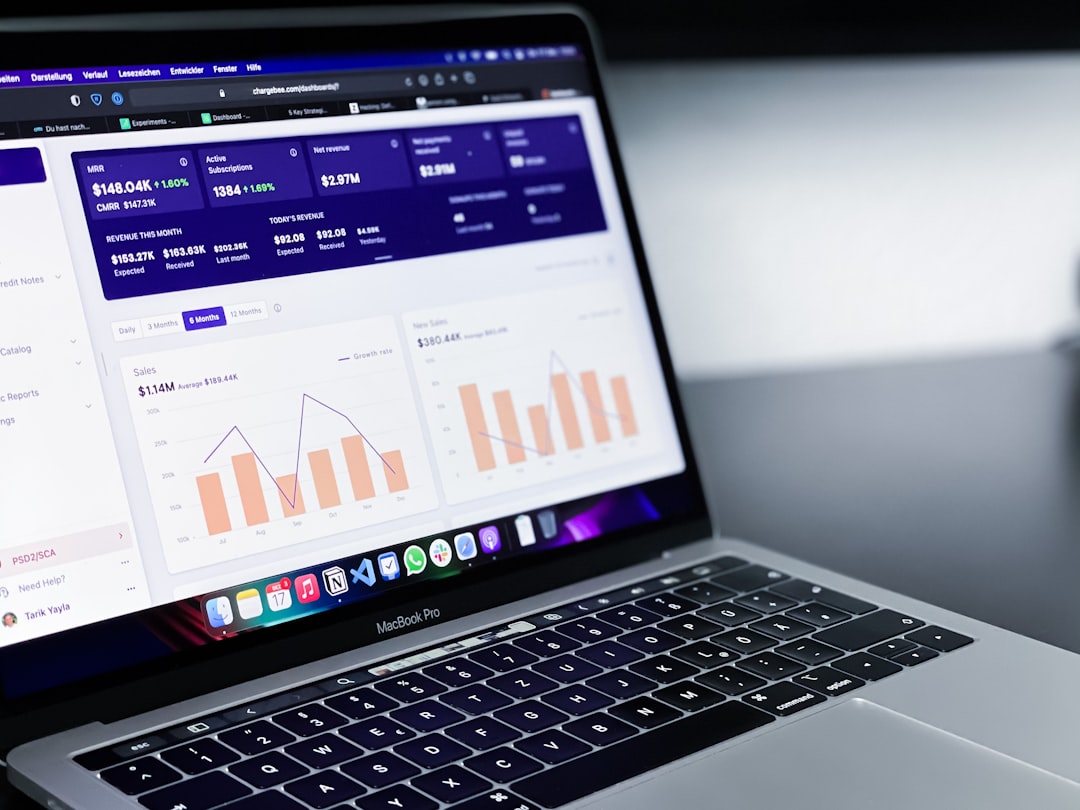
For SaaS companies, chatbots are most valuable when they support the full customer lifecycle. A well-developed SaaS chatbot can qualify leads, book demos, guide trial users, answer product questions, collect feedback, and help existing customers solve issues faster. The best development services understand SaaS metrics such as activation rate, churn, product adoption, expansion revenue, and customer lifetime value.
In SaaS environments, bots often need deep integrations with platforms such as CRM systems, subscription billing tools, customer support software, product analytics platforms, and knowledge bases. A chatbot that can identify a user’s plan, account status, recent activity, or support history can deliver far more useful responses than a generic Q&A bot.
Key SaaS Chatbot Use Cases
- Lead qualification: The chatbot can ask relevant questions, score prospects, and route qualified leads to sales teams.
- Demo scheduling: Integration with calendar tools allows prospects to book meetings without waiting for an email response.
- Trial onboarding: The bot can guide new users through setup steps, tutorials, and feature recommendations.
- Customer support: Common tickets can be resolved instantly through knowledge base search and workflow automation.
- Account expansion: Bots can recommend upgrades or add-ons based on usage patterns and expressed needs.
The best SaaS chatbot development services usually include in-app chatbot design, not only website chat. In-app bots can provide contextual help when users are inside the product, which improves engagement and reduces support demand. For example, if a user is stuck during onboarding, the bot can suggest the next step, link to documentation, or offer a live support handoff.
Best Chatbot Development Services for Ecommerce
Ecommerce chatbots are often judged by their effect on conversion rates, average order value, cart abandonment, and customer satisfaction. The best ecommerce chatbot development services focus on creating shopping assistants that feel fast, helpful, and personalized. These bots should not simply answer basic questions; they should support discovery, comparison, purchase confidence, and post-purchase service.
An effective ecommerce chatbot can recommend products based on preferences, size, budget, style, past purchases, browsing behavior, or inventory availability. It can also handle practical questions about shipping, returns, order tracking, payment options, and promotions. When connected to ecommerce platforms, inventory systems, and CRM tools, the bot becomes a real-time sales and support channel.

Key Ecommerce Chatbot Use Cases
- Product discovery: The bot can ask guided questions and recommend relevant products.
- Cart recovery: Automated reminders and incentives can reduce abandoned carts.
- Order tracking: Customers can receive delivery updates without contacting support.
- Returns and exchanges: The chatbot can guide customers through policies and return workflows.
- Personalized promotions: Bots can share offers based on customer segments or shopping behavior.
Top ecommerce chatbot providers also understand omnichannel commerce. They can build bots for websites, mobile apps, social messaging platforms, and live chat systems. This matters because shoppers may begin a conversation on one channel and complete a purchase on another. A strong chatbot service ensures that customer context follows the shopper across channels whenever possible.
Best Chatbot Development Services for Healthcare
Healthcare chatbot development requires a higher level of care because conversations may involve sensitive personal information, symptoms, prescriptions, appointments, insurance details, or clinical instructions. The best healthcare chatbot development services prioritize privacy, security, compliance, accessibility, and clear escalation paths. A healthcare bot should support patients and administrative teams without pretending to replace trained medical professionals.
Healthcare chatbots can improve access and reduce staff workload by handling appointment scheduling, intake forms, reminders, FAQs, insurance guidance, and basic navigation. Depending on the organization and regulatory environment, bots may also support symptom collection or care triage, provided they are designed with appropriate disclaimers, clinical oversight, and escalation rules.
Key Healthcare Chatbot Use Cases
- Appointment scheduling: Patients can book, reschedule, or cancel visits through automated workflows.
- Patient intake: Bots can collect preliminary information before a visit.
- Medication reminders: Automated reminders can support adherence and follow-up care.
- Insurance and billing support: Patients can receive general guidance on coverage, claims, or payment steps.
- Care navigation: The chatbot can direct patients to the right department, resource, or human representative.
Healthcare chatbot development should include rigorous testing for accuracy, bias, safety, and data handling. Providers should understand requirements such as HIPAA in the United States or other applicable privacy frameworks in different regions. The strongest services also design for accessibility, ensuring that patients with different abilities, languages, and levels of digital literacy can use the bot comfortably.
Core Features the Best Chatbot Services Should Offer
While each industry has unique needs, the best chatbot development services share several core capabilities. These capabilities determine whether the bot becomes a useful business asset or a frustrating digital barrier.
- Custom conversation flows: The bot should reflect the organization’s products, policies, tone, and user needs.
- Natural language understanding: Users should be able to ask questions in normal language rather than follow rigid menus.
- Human handoff: The system should transfer complex or sensitive conversations to the right team.
- Knowledge base integration: The chatbot should retrieve accurate answers from approved content sources.
- Analytics and reporting: Teams should track containment rate, satisfaction, conversions, unanswered questions, and escalation patterns.
- Security controls: Encryption, access management, audit trails, and data retention controls should be considered from the start.
- Multichannel deployment: Chatbots should work across websites, apps, messaging platforms, and internal tools when needed.
How Businesses Should Choose a Chatbot Development Partner
Organizations should choose a chatbot development partner based on more than portfolio screenshots. A strong provider should be able to explain how the bot will improve measurable outcomes. For SaaS, that may mean better activation or reduced support tickets. For ecommerce, it may mean increased conversions or faster order support. For healthcare, it may mean fewer administrative calls, better appointment adherence, or improved patient access.
The selection process should include a review of technical expertise, industry experience, integration capabilities, data governance practices, and post-launch support. The provider should ask detailed questions about users, content sources, escalation rules, system architecture, and business constraints. A team that immediately jumps into building without discovery may create a bot that is functional but not strategically valuable.
Custom AI Chatbots vs. Template-Based Chatbots
Template-based chatbots may work for simple FAQ pages or early experiments. They are usually faster to launch and less expensive. However, SaaS, ecommerce, and healthcare organizations often need custom chatbot development because they require integrations, advanced logic, personalization, compliance controls, and analytics.
A custom AI chatbot can adapt to specific workflows and provide more meaningful automation. It can connect with internal systems, recognize different customer types, support multiple languages, and learn from conversation data. The best providers may still use proven frameworks or accelerators, but they tailor the final solution to the organization’s goals rather than forcing the business into a generic template.
Why Ongoing Optimization Matters
A chatbot is not finished on launch day. User questions change, product catalogs evolve, policies shift, and new support issues appear. The best chatbot development services include ongoing monitoring and optimization. They review failed conversations, improve training data, update knowledge bases, refine flows, and identify new automation opportunities.
For many businesses, chatbot performance improves significantly after the first weeks of real-world use. Analytics reveal what users actually ask, where they abandon conversations, and when they prefer a human agent. Continuous improvement turns the chatbot from a basic support tool into a long-term growth and efficiency channel.
Conclusion
The best chatbot development services for SaaS, ecommerce, and healthcare combine industry knowledge, technical skill, compliance awareness, and user-centered design. SaaS companies need bots that support onboarding, sales, and retention. Ecommerce brands need shopping assistants that increase confidence and reduce friction. Healthcare organizations need secure, accessible, and carefully governed chatbots that support patients and staff.
In every case, the strongest chatbot solutions are built around real business goals and real user needs. A well-designed chatbot can reduce workload, improve response times, personalize experiences, and create measurable value across the customer or patient journey.
FAQ
What are chatbot development services?
Chatbot development services include the planning, design, development, integration, testing, deployment, and optimization of chatbot systems for websites, apps, messaging channels, and internal platforms.
Which industries benefit most from chatbots?
SaaS, ecommerce, healthcare, finance, education, travel, and customer service-heavy businesses often benefit significantly from chatbots because they manage high volumes of repeated questions and structured workflows.
What makes a chatbot effective for SaaS companies?
An effective SaaS chatbot supports lead qualification, onboarding, product education, customer support, and retention. It should integrate with CRM, billing, analytics, help desk, and knowledge base systems.
How can ecommerce businesses use chatbots?
Ecommerce businesses can use chatbots for product recommendations, cart recovery, order tracking, returns, promotions, and customer support across websites, apps, and social messaging platforms.
Are healthcare chatbots safe to use?
Healthcare chatbots can be safe when they are designed with strong privacy controls, compliance requirements, clinical oversight where needed, and clear escalation to qualified professionals.
Is a custom chatbot better than a template chatbot?
A custom chatbot is usually better for businesses that need integrations, personalization, advanced automation, data security, or industry-specific workflows. Template bots may be suitable for simple FAQ automation.
How long does chatbot development take?
Development timelines vary based on complexity. A simple chatbot may take a few weeks, while a complex AI chatbot with integrations, compliance requirements, and advanced workflows may take several months.
What should businesses look for in a chatbot development company?
Businesses should look for industry experience, strong integration skills, conversation design expertise, security knowledge, analytics capabilities, and reliable post-launch support.