
Marketing teams often face a familiar problem: a prospect shows interest in an email but never takes the next step. A person may open a product announcement, browse an offer, or view a newsletter several times without clicking, calling, or buying. Direct mail actions triggered by email opens solve this gap by connecting digital behavior with a physical follow-up that arrives at the right moment.
TLDR: Direct mail triggered by email opens is a marketing automation strategy that sends postcards, letters, catalogs, or other printed pieces after a contact engages with an email. It helps brands turn passive interest into action by combining the speed of email with the trust and visibility of physical mail. When managed carefully, this approach improves timing, personalization, and response rates across campaigns.
What Are Direct Mail Actions Triggered by Email Opens?
Direct mail actions triggered by email opens refer to automated workflows that send a physical mail piece when a recipient opens a specific email. The email open acts as a behavioral signal. Once the system detects that action, it can trigger a sequence that adds the contact to a print mailing list, personalizes a mailer, and sends it through a direct mail provider.
This approach is part of cross-channel marketing automation. Instead of treating email and direct mail as separate channels, the business connects them into one coordinated customer journey. A person receives an email first. If that person opens it, the system interprets the open as a sign of awareness or interest. The next step may be a printed postcard with a discount, a personalized letter from a sales representative, or a brochure with more detailed product information.
The goal is not to replace email. Rather, it is to use email engagement data to decide when direct mail is most likely to be useful. This timing can make physical mail feel more relevant and less random.

Why Email Opens Matter in Marketing Automation
An email open does not guarantee strong intent, but it does show that the recipient noticed the message. In many campaigns, this small action can be valuable. If a recipient opens an email about a new service, renewal reminder, event invitation, or limited-time offer, that behavior may indicate curiosity.
Marketing automation platforms use these behavioral signals to sort contacts into different paths. For example, a contact who ignores an email may receive a reminder email later. A contact who opens the email but does not click may receive a printed postcard with a stronger call to action. A contact who clicks and visits a pricing page may be passed to a sales team.
Email opens are especially useful when combined with other data, such as purchase history, location, customer segment, lead score, or website visits. A single open might not be enough to justify a direct mail piece in every case, but it can be powerful when it fits into a broader engagement pattern.
How the Automation Process Works
The process usually begins inside a customer relationship management system, email marketing platform, or marketing automation tool. The business creates a campaign and defines the rules for triggering direct mail. These rules tell the system what should happen after a recipient opens an email.
A typical workflow may look like this:
- An email is sent: The business sends a campaign to a selected audience, such as lapsed customers, new leads, donors, or subscribers.
- The open is tracked: The email platform records when the recipient opens the message, usually through a tracking pixel.
- The contact qualifies: The system checks whether the person meets the conditions for direct mail, such as location, customer value, or permission status.
- A direct mail order is created: The automation platform sends the contact data to a print and mail provider.
- The mailer is personalized: The provider prints the person’s name, offer, location, QR code, website link, or other custom details.
- The piece is mailed: The printed item is sent automatically without the marketing team manually exporting lists or placing individual orders.
- Results are tracked: The business monitors responses through promo codes, personalized URLs, QR codes, phone numbers, or purchase activity.
This process allows marketers to move quickly while still delivering a tactile, memorable customer experience.
Common Direct Mail Formats Used After Email Opens
Several types of direct mail can be triggered by email engagement. The best format depends on the campaign goal, audience, budget, and message complexity.
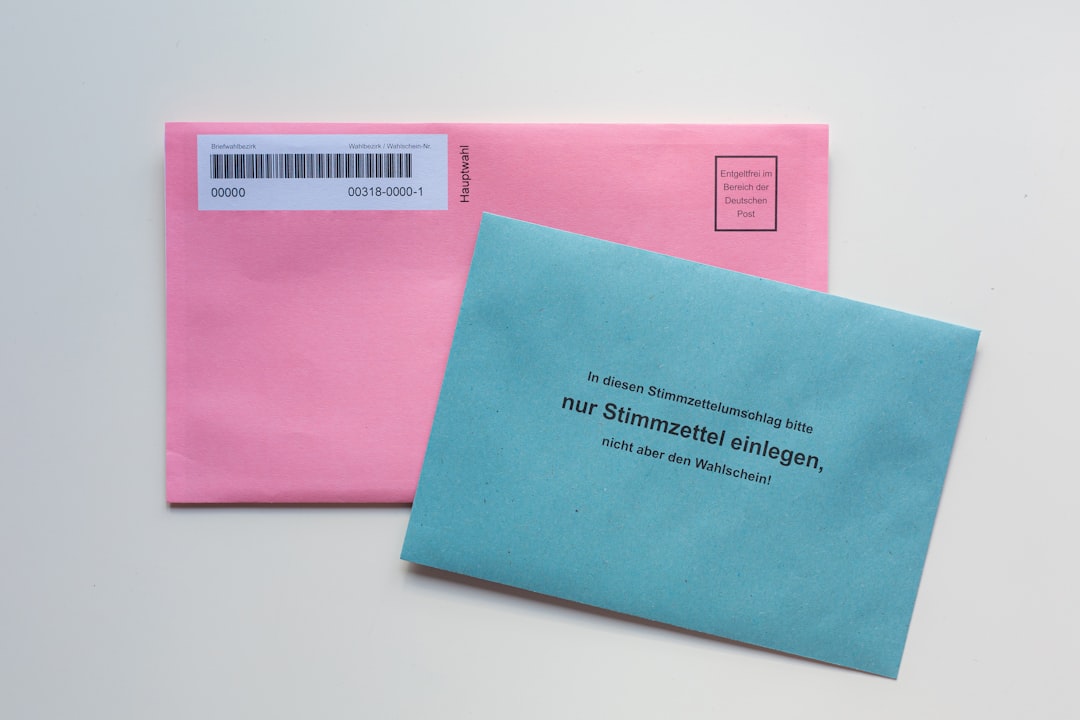
- Postcards: Postcards are popular because they are affordable, quick to produce, and easy to scan. They work well for discounts, appointment reminders, event invitations, and product announcements.
- Letters: Letters feel more personal and formal. They are often used for financial services, healthcare, nonprofit fundraising, real estate, and business-to-business outreach.
- Self-mailers: These folded pieces provide more space than postcards and can explain an offer in greater detail.
- Catalogs or mini-catalogs: Retailers and ecommerce brands may send catalogs to contacts who open emails about seasonal collections or abandoned product categories.
- Dimensional mail: Higher-value prospects may receive packages, samples, or branded items after showing meaningful engagement.
The most effective format is one that matches the recipient’s stage in the buying journey. A light-touch postcard may suit an early-stage lead, while a detailed brochure may suit someone comparing options.
Benefits of Combining Email Opens with Direct Mail
Triggered direct mail gives marketers several advantages over traditional batch-and-blast mailing. Since the physical piece is based on recent behavior, it is usually more timely and targeted.
First, it increases relevance. A mailer sent after an email open can reflect the same offer or topic the recipient has already seen. This creates consistency and recognition across channels.
Second, it helps brands stand out. Email inboxes are crowded, and messages can be deleted in seconds. Physical mail has a different presence. It can sit on a desk, kitchen counter, or bulletin board, giving the brand more time to be noticed.
Third, it supports higher conversion potential. A person who opened an email may need another prompt before acting. A postcard or letter can provide that extra nudge, especially when it includes a clear deadline, special incentive, or personalized call to action.
Fourth, it improves the customer journey. Instead of sending the same follow-up to everyone, the business reacts to actual engagement. This can reduce waste and make communications feel more thoughtful.
Examples of Triggered Direct Mail Campaigns
A retailer could send an email promoting a seasonal sale. If a customer opens the email but does not click, the system could send a postcard with a discount code and photos of best-selling items. The postcard may arrive a few days later, reminding the customer to shop before the sale ends.
A software company could invite prospects to a webinar through email. If a decision-maker opens the invitation but does not register, the company could send a printed note and one-page overview explaining the business value of attending. This can be especially effective in business-to-business campaigns where buying decisions take longer.
A healthcare provider could email patients about annual checkups. If a patient opens the message but does not schedule an appointment, an automated letter could follow with office contact details, available appointment windows, and a simple scheduling link.
A nonprofit could send a fundraising appeal by email. If a donor opens the message multiple times, the system could trigger a personalized letter that references the campaign and includes a donation form or QR code. This combination can make the appeal feel both convenient and meaningful.
Personalization and Segmentation
Personalization is one of the main reasons triggered direct mail can perform well. A mailer does not have to be generic. It can include the recipient’s name, nearby store location, loyalty status, product interest, account type, or previous purchase category.
Segmentation also helps control costs. Since printing and postage are more expensive than email, not every open should automatically lead to a mail piece. A business may choose to trigger mail only for high-value customers, warm leads, target accounts, or contacts in specific geographic areas.
For example, a company might create separate rules for different groups:
- New leads: Send a welcome postcard after the first email open.
- Lapsed customers: Send a win-back offer after opening a reactivation email.
- VIP customers: Send a premium letter or exclusive invitation after opening a loyalty campaign.
- Sales prospects: Send a personalized brochure after opening a product comparison email.
Good segmentation ensures that direct mail is used where it has the greatest chance of influencing behavior.
Tracking Performance and Measuring ROI
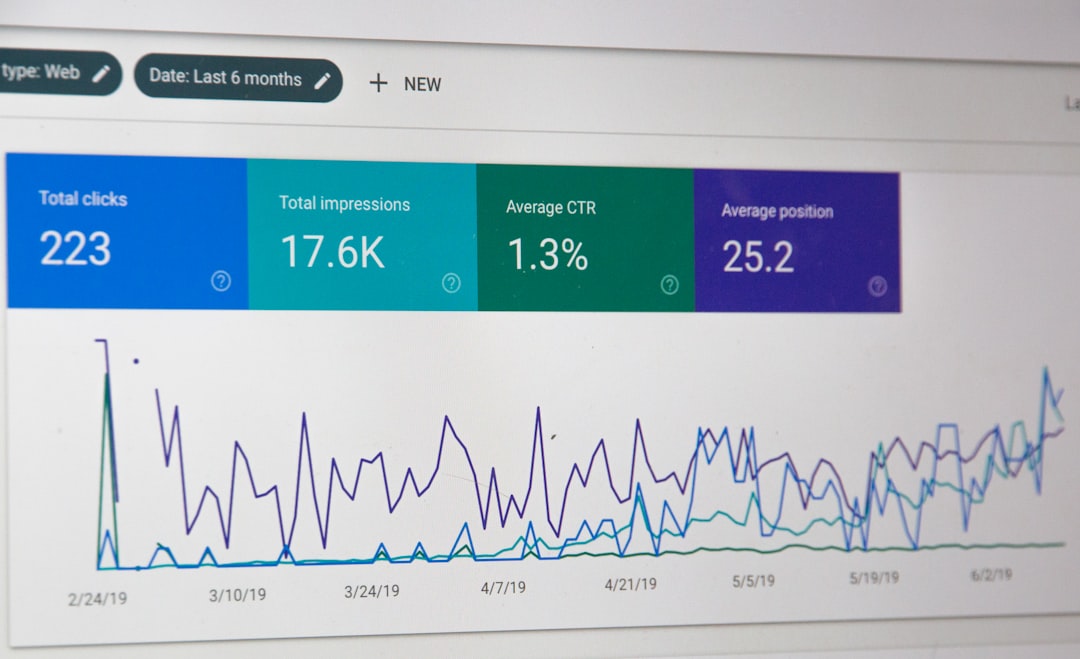
Measurement is essential because direct mail has real production costs. Marketers should track how many pieces are triggered, delivered, and converted. They should also compare results against a control group that receives only email follow-up.
Common tracking methods include unique promo codes, QR codes, personalized URLs, call tracking numbers, and CRM attribution. If a recipient receives a postcard and later purchases, books a call, registers for an event, or donates, the system can connect that action to the campaign.
Important metrics may include:
- Response rate
- Conversion rate
- Cost per acquisition
- Revenue per mail piece
- Average order value
- Time from email open to conversion
- Incremental lift compared with email-only campaigns
The strongest programs use results to refine future triggers. If a postcard sent three days after an email open performs better than one sent after seven days, timing can be adjusted. If certain segments respond better than others, budgets can shift toward those audiences.
Privacy, Consent, and Data Quality
Triggered direct mail depends on customer data, so privacy and data quality matter. Businesses should follow applicable privacy laws, honor opt-out preferences, and use contact information responsibly. While physical mail rules may differ from email consent rules, customers still expect brands to respect their choices.
Email open tracking also has limitations. Some privacy settings block or obscure open data, while some systems may record opens automatically. Because of this, marketers should avoid treating every open as a perfect signal. Stronger workflows often combine opens with clicks, site visits, lead scores, or customer history.
Clean mailing addresses are equally important. Address verification, deduplication, and formatting help reduce returned mail and wasted spend. A campaign can have excellent strategy but poor results if the underlying address data is inaccurate.

Best Practices for Successful Campaigns
To make email-triggered direct mail effective, marketers should keep the experience simple, relevant, and measurable.
- Define a clear trigger: The campaign should specify which email opens qualify and whether one open is enough.
- Set timing carefully: Mail should arrive while the email message is still fresh in the recipient’s mind.
- Match the message: The direct mail piece should continue the same conversation started by the email.
- Use a strong call to action: Recipients should immediately understand what to do next.
- Control frequency: Too much triggered mail can feel excessive and increase costs.
- Test offers and formats: Postcards, letters, and catalogs may perform differently by audience.
- Measure incremental impact: Results should be compared with campaigns that do not use direct mail.
When these practices are followed, direct mail becomes more than a traditional advertising method. It becomes a responsive part of the customer journey.
The Future of Email-Triggered Direct Mail
As marketing automation platforms become more connected, email-triggered direct mail is likely to become easier and more precise. Artificial intelligence may help predict which email opens deserve a mail follow-up, which offer should be printed, and when the piece should arrive. Print technology will also continue to support faster production and deeper personalization.
However, the core idea will remain simple. When a person shows interest online, a brand can respond offline in a timely, relevant way. This mix of digital speed and physical impact gives marketers a practical method for improving engagement in a crowded communication environment.
FAQ
What does it mean to trigger direct mail from an email open?
It means an automated system sends a physical mail piece after a recipient opens a specific email. The email open acts as the signal that starts the direct mail workflow.
Is an email open enough to prove buyer intent?
No. An email open shows awareness or possible interest, but it is not a complete proof of intent. Many marketers combine opens with other signals, such as clicks, website visits, purchase history, or lead scores.
What types of businesses can use this strategy?
Retailers, ecommerce companies, nonprofits, healthcare providers, financial services firms, real estate agencies, and business-to-business companies can all use email-triggered direct mail when they have reliable customer data and a clear follow-up goal.
How quickly should direct mail be sent after an email open?
Timing depends on the campaign, but many businesses aim to have the mail piece arrive within a few days. The follow-up should be close enough to the email interaction that the recipient still recognizes the message.
How can a company measure success?
Success can be measured through promo codes, QR codes, personalized URLs, call tracking, CRM activity, and sales data. The business should compare performance against an email-only group to understand the true lift from direct mail.
Is triggered direct mail expensive?
It costs more than email because it involves printing and postage. However, automation and segmentation can help control costs by sending mail only to contacts who are most likely to respond.
What is the biggest risk of this approach?
The biggest risks are poor data quality, overmailing, weak attribution, and relying too heavily on email opens as a signal. Careful testing, privacy compliance, and clear campaign rules help reduce these risks.