

Online stores can look deceptively simple from the outside: a website, a payment processor, a supplier, and a stream of orders. But behind every sale are real business risks—damaged shipments, customer injuries, data breaches, chargebacks, inventory loss, advertising disputes, and product liability claims. In 2026, ecommerce insurance is no longer just a “nice to have” for larger sellers; it is a practical safety net for Shopify brands, Amazon sellers, dropshippers, Etsy shops, subscription box companies, and direct-to-consumer retailers of nearly every size.
TLDR: The best ecommerce business insurance options in 2026 typically include general liability, product liability, cyber liability, business property, and shipping or inland marine coverage. Small online stores may start with a Business Owner’s Policy, while higher-risk sellers should add product and cyber coverage. The right policy depends on what you sell, where you sell it, how much inventory you hold, and whether you use third-party platforms, warehouses, or contractors. Always compare quotes and read exclusions before buying.
Why Ecommerce Businesses Need Insurance in 2026
Ecommerce has matured. Customers expect fast delivery, smooth refunds, secure payments, and reliable products. At the same time, marketplaces, payment processors, landlords, wholesalers, and fulfillment partners increasingly require proof of insurance before they will work with a seller. Even a home-based online store can face claims that cost thousands—or hundreds of thousands—of dollars.
For example, a skincare product could trigger an allergic reaction. A children’s toy could break and cause injury. A hacker could access customer records. A shipment of high-value electronics could disappear in transit. A competitor could accuse your brand of copying marketing material. Without insurance, these situations can become financially devastating.
Ecommerce business insurance is an umbrella term for several policies designed to protect online retailers from these risks. The smartest approach is not to buy every policy available, but to build a coverage package around your actual operations.

1. General Liability Insurance
Best for: Most online stores, including home-based sellers, marketplace sellers, and growing ecommerce brands.
General liability insurance is often the foundation of a business insurance plan. It helps cover claims involving bodily injury, property damage, and certain advertising injuries. Even if your store operates entirely online, this coverage can still matter. You might attend trade shows, use a pop-up shop, meet suppliers, or have customers visit a storage location.
General liability can also help with claims related to your marketing, such as alleged copyright infringement, slander, or misleading advertising, depending on policy terms. For online stores that sell on marketplaces, this coverage may be required once sales reach a certain level.
- Common coverage areas: Customer injury, third-party property damage, legal defense costs, advertising injury.
- Good fit for: Apparel brands, handmade sellers, home goods stores, beauty brands, and general merchandise shops.
- Watch out for: Product-related exclusions or low limits that may not be enough for your category.
2. Product Liability Insurance
Best for: Stores that sell physical products, especially health, beauty, baby, food, electronics, supplements, fitness, toys, tools, or imported goods.
Product liability insurance is one of the most important policies for ecommerce sellers. If a product you sell causes injury, illness, or property damage, your business can be named in a lawsuit—even if you did not manufacture the item. Retailers, private label sellers, importers, dropshippers, and distributors can all be pulled into product claims.
In 2026, product liability is especially important because many ecommerce brands source from global suppliers or use private label manufacturing. If a supplier is overseas, unavailable, or uninsured, the seller may become the easiest target for a claim.
Examples of product liability claims include:
- A power bank overheats and damages a customer’s furniture.
- A supplement causes an unexpected medical reaction.
- A kitchen tool breaks during normal use and injures someone.
- A children’s product fails to meet safety standards.
Some general liability policies include limited product liability, but high-risk product categories often require stronger or specialized coverage. If you sell anything that goes on the skin, into the body, plugs into a wall, is used by children, or supports body weight, take product liability seriously.
3. Cyber Liability Insurance
Best for: Any ecommerce business that collects customer data, processes online payments, uses email marketing, or stores personal information.
Cyber liability insurance has become one of the most valuable ecommerce coverage options. Online stores rely on interconnected tools: storefront platforms, payment gateways, customer databases, analytics scripts, CRM systems, email platforms, inventory apps, and cloud storage. Each connection creates risk.
Cyber insurance can help cover costs related to data breaches, ransomware, phishing attacks, business interruption, notification requirements, credit monitoring, forensic investigation, and legal expenses. Even if you use a major ecommerce platform, your business can still be responsible for data-handling mistakes, compromised passwords, employee errors, or fraudulent social engineering attacks.
Cyber coverage is especially useful if you:
- Store customer names, addresses, phone numbers, or emails.
- Run paid advertising and collect customer behavior data.
- Use third-party apps connected to your store.
- Have employees or contractors accessing admin dashboards.
- Process large order volumes or high-ticket transactions.
When comparing cyber policies, look closely at coverage for social engineering fraud, funds transfer fraud, PCI-related costs, and business interruption. These areas can vary widely by insurer.

4. Business Owner’s Policy
Best for: Small to mid-sized ecommerce stores that want bundled basic coverage.
A Business Owner’s Policy, often called a BOP, usually combines general liability insurance with commercial property insurance. It is popular because it can be more convenient and cost-effective than buying separate policies. For many online sellers, a BOP is the best starting point.
The property portion may cover business equipment, office furniture, computers, supplies, and sometimes inventory, depending on where items are stored and how the policy is written. If you run your store from home, do not assume your homeowners or renters policy will cover business inventory or equipment. Many personal policies exclude business property or sharply limit coverage.
A BOP may be ideal if you:
- Operate from a home office, small studio, warehouse, or rented workspace.
- Keep inventory on-site.
- Need both liability and property protection.
- Want a simple policy package before adding specialized coverage.
However, a BOP may not automatically include cyber insurance, product liability for certain categories, or coverage for goods in transit. Ask specifically what is included.
5. Commercial Property Insurance
Best for: Ecommerce businesses with inventory, equipment, packaging materials, photography gear, computers, or warehouse space.
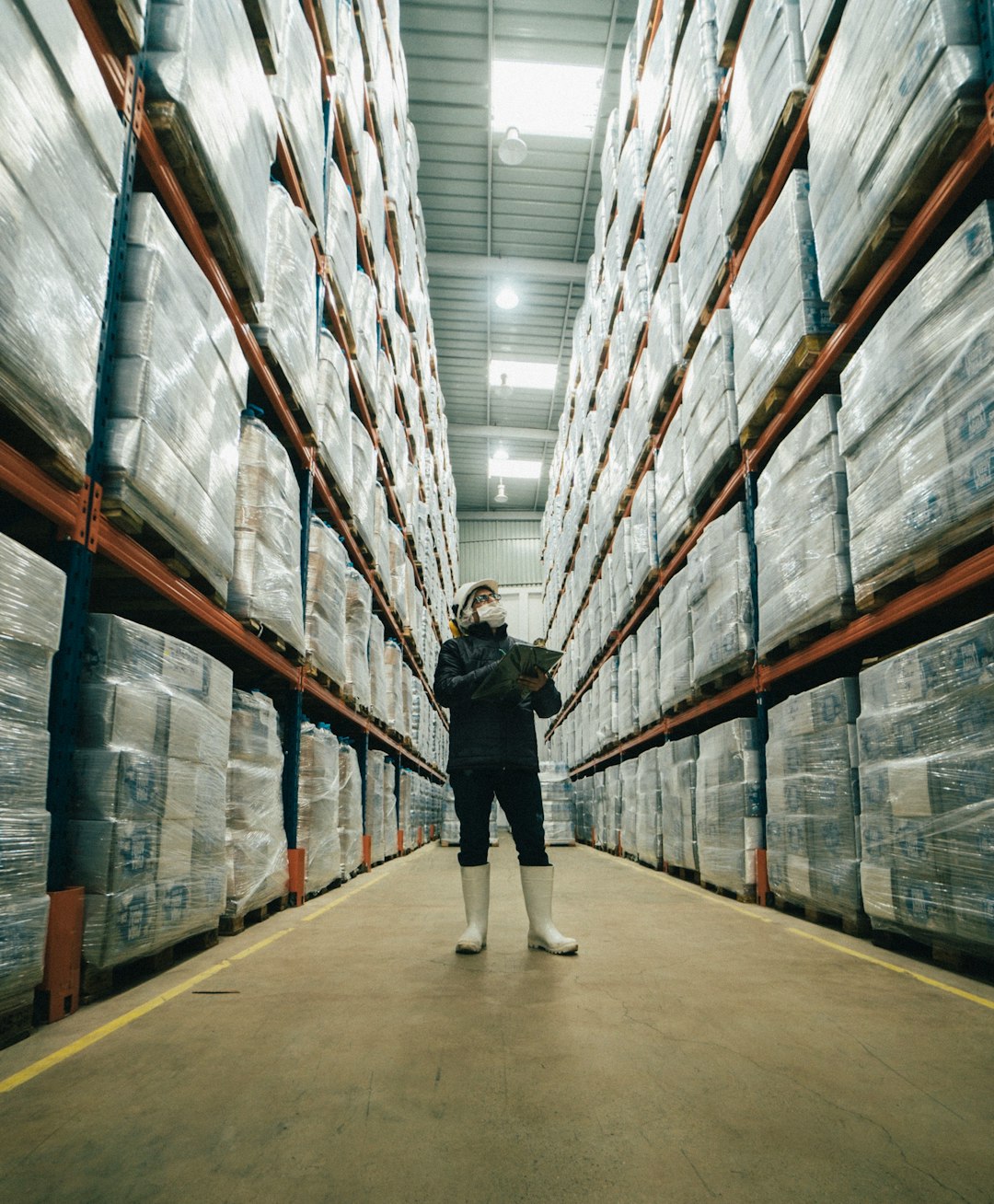
Commercial property insurance helps protect physical business assets against covered events such as fire, theft, vandalism, wind damage, or certain water-related losses. For ecommerce sellers, inventory is often the most valuable asset. A single warehouse incident can wipe out months of revenue.
This insurance can apply whether you own or rent a workspace, although coverage details vary. If your inventory is stored in a third-party fulfillment center, confirm whether your policy covers property at that location. Do not rely solely on the warehouse’s insurance; their policy may protect their building and liability, not your goods.
Important questions to ask:
- Is inventory covered at my home, office, warehouse, and fulfillment center?
- Are seasonal inventory spikes covered?
- Is coverage based on replacement cost or actual cash value?
- Are flood, earthquake, or spoilage risks excluded?
6. Inland Marine and Shipping Insurance
Best for: Stores that ship valuable products, move inventory between locations, or depend heavily on freight and carriers.
Despite the name, inland marine insurance has little to do with oceans. It generally covers business property while it is in transit or temporarily stored away from your main location. For ecommerce businesses, that can include inventory moving from suppliers to warehouses, from warehouses to customers, or between fulfillment centers.
Carrier-provided shipping insurance may be helpful, but it can have limits, exclusions, documentation requirements, and claim delays. If you ship fragile, expensive, custom, or high-volume products, dedicated transit coverage may offer broader protection.
This coverage is worth considering for sellers of jewelry, electronics, luxury goods, collectibles, artwork, specialty equipment, and bulk inventory.
7. Professional Liability and Errors and Omissions Insurance
Best for: Ecommerce businesses that provide advice, customization, digital products, consulting, design, or subscription services.
Professional liability insurance, also called errors and omissions insurance, covers claims that your professional services, advice, or work caused a financial loss. Traditional online retailers may not need it, but hybrid ecommerce businesses often do.
For example, an online nutrition store that offers personalized meal plans, a business selling digital templates, a custom product designer, or a subscription platform with expert recommendations may face E&O risks. If a customer claims your guidance, files, or personalized service caused them harm or financial loss, general liability may not respond.
8. Workers’ Compensation Insurance
Best for: Ecommerce stores with employees, warehouse workers, packers, drivers, or part-time staff.
Workers’ compensation insurance covers employee injuries and illnesses related to work. In many places, it is legally required once you hire employees. Even ecommerce brands that start at a kitchen table can quickly grow into operations with packers, customer service reps, warehouse teams, or local delivery staff.
Common ecommerce workplace injuries include lifting strains, repetitive motion injuries, slips, falls, and packaging-related cuts. If you use contractors, check local rules carefully; misclassification can create legal and insurance problems.
9. Commercial Auto Insurance
Best for: Businesses that use vehicles for deliveries, supplier pickups, pop-up events, or inventory transport.
If you or your employees use a vehicle for business purposes, personal auto insurance may not cover an accident. Commercial auto insurance can cover vehicles owned by the business, while hired and non-owned auto coverage can help when employees use personal cars or rented vehicles for business errands.
This is especially relevant for local delivery brands, florists, food sellers, furniture shops, event-based retailers, and stores that regularly transport inventory.
Best Insurance Options by Type of Online Store
The best ecommerce insurance package depends on your business model. Here are practical starting points:
- New home-based store: General liability plus property coverage for equipment and inventory.
- Amazon or marketplace seller: General liability with product liability, meeting platform requirements.
- Private label brand: Product liability, cyber liability, commercial property, and transit coverage.
- Dropshipping store: Product liability, cyber liability, and careful supplier contract review.
- Beauty, wellness, or supplement brand: Specialized product liability with higher limits.
- High-ticket electronics or jewelry seller: Property insurance, inland marine, shipping insurance, and cyber coverage.
- Subscription box company: Product liability, property insurance, cyber liability, and shipping coverage.
How Much Does Ecommerce Insurance Cost?
Costs vary widely, but many small online stores may pay from a few hundred to a few thousand dollars per year for basic coverage. Premiums depend on revenue, product type, claims history, location, coverage limits, inventory value, number of employees, and sales channels.
Higher-risk categories—such as supplements, cosmetics, children’s products, electronics, food, and imported goods—often cost more to insure. Cyber coverage may also become more expensive if you store large amounts of customer data or lack basic security controls such as multifactor authentication.
How to Choose the Right Ecommerce Insurance in 2026
Before buying, map your risks. List what you sell, where products are made, where inventory is stored, how orders are shipped, who handles customer data, and what contracts require. Then compare policies based on coverage quality, not just price.
Use this checklist when reviewing quotes:
- Does the policy cover your exact product category?
- Are product liability claims included or excluded?
- Are goods covered in storage and in transit?
- Does cyber coverage include breach response and fraud protection?
- Are marketplace insurance requirements satisfied?
- Are coverage limits high enough for your revenue and risk?
- What deductibles, exclusions, and documentation rules apply?
It is also wise to work with an insurance agent or broker who understands ecommerce. Online retail has unique exposures that a generic small-business policy may miss.
Final Thoughts
The best ecommerce business insurance options for online stores in 2026 are not one-size-fits-all. A simple print-on-demand shop will not need the same coverage as a supplement brand, and a small handmade seller will differ from a fast-growing private label company with international suppliers.
For many online stores, the strongest starting combination is general liability, product liability, cyber liability, and business property coverage. From there, add shipping, inland marine, workers’ compensation, professional liability, or commercial auto coverage as your operations expand. The goal is simple: protect your store from the risks that could interrupt sales, drain cash, or threaten the future of the brand you are building.