
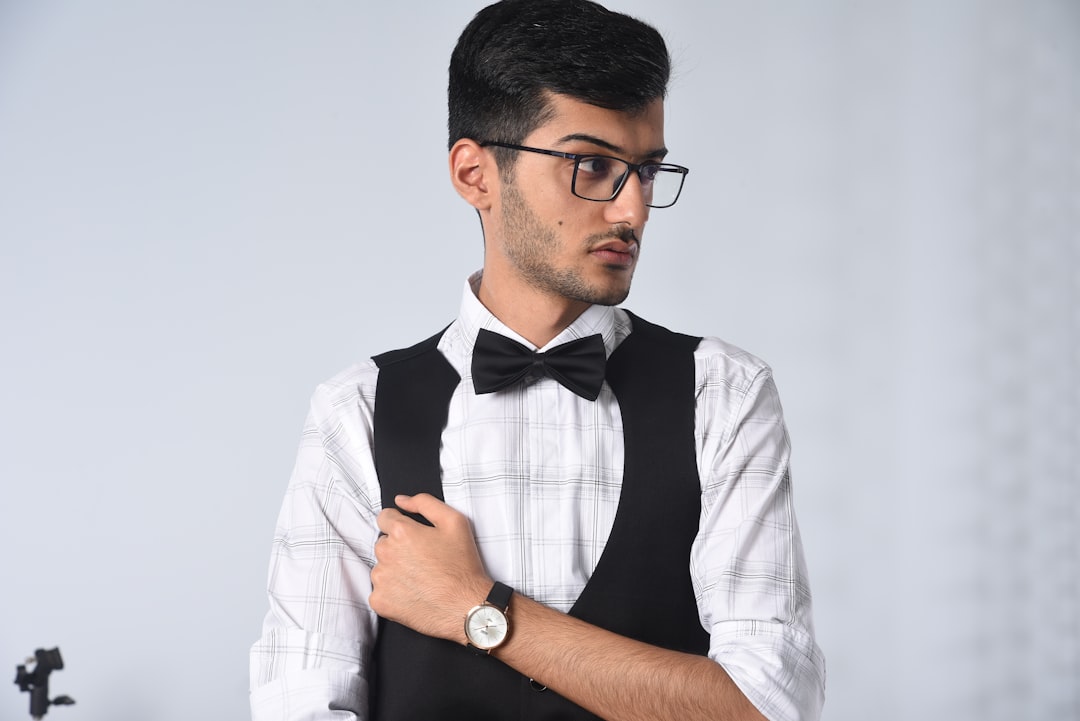
A well-tied bow tie has a charm that no pre-tied version can fully imitate. It looks refined, slightly imperfect in the best possible way, and full of personality. Whether you are dressing for a wedding, gala, formal dinner, graduation, or a stylish evening out, learning to tie a bow tie properly is a small skill that makes a big impression.
TLDR: The secret to tying a bow tie perfectly is to start with the correct neck size, keep both ends flat, and follow the same basic knot structure used for tying shoelaces. Do not rush the final adjustment stage, because shaping the loops is what makes the bow look balanced and elegant. A handmade bow tie should look neat but not machine-perfect, so embrace a little natural asymmetry.
Why Learning to Tie a Bow Tie Matters
A bow tie is more than an accessory; it is a statement of care and confidence. A clip-on may look acceptable from a distance, but up close, it often lacks depth, shape, and authenticity. A self-tied bow tie has character because the knot, loops, and folds are formed by your hands. That slight irregularity is exactly what gives it style.
Many people avoid bow ties because they assume the process is complicated. In reality, tying one is not much harder than tying your shoes. The challenge is not the knot itself, but learning how to control the fabric, adjust the loops, and avoid twisting the ends. Once you understand the structure, the process becomes much easier and faster.
Start With the Right Bow Tie Size
Before you even begin tying, make sure the bow tie is adjusted to fit your neck. Most adjustable bow ties have measurements printed on the strap. Set it according to your shirt collar size. If the bow tie is too loose, it will sag and look sloppy. If it is too tight, it will feel uncomfortable and make the knot difficult to shape.
A properly fitted bow tie should sit comfortably around your collar without choking you. You should be able to slide one finger between the strap and your neck. The bow should rest neatly at the center of your collar, with the wings extending roughly to the outer edges of your eyes or the sides of your face, depending on the style.
Choose the Right Fabric for Practice
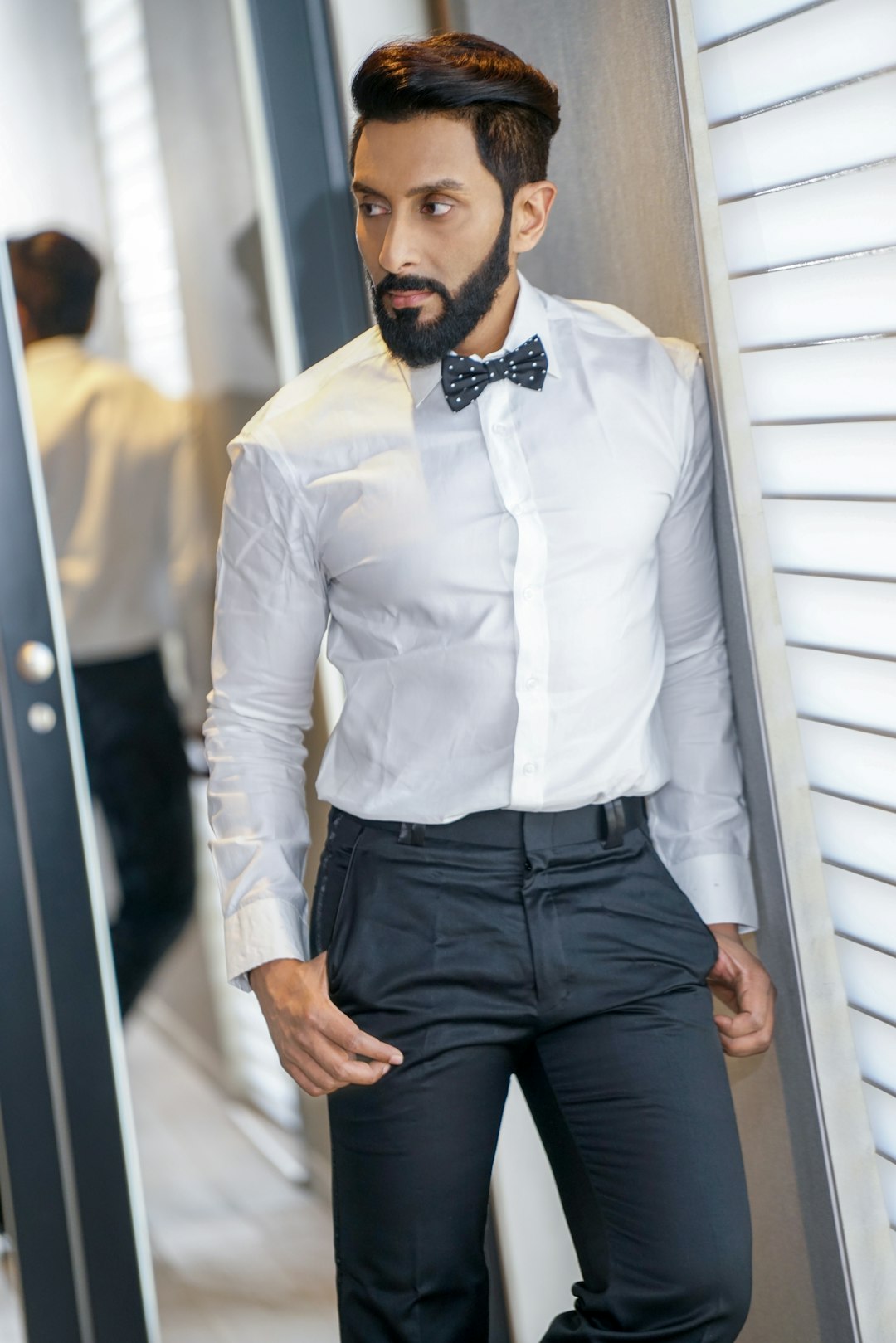
Not all bow ties behave the same way. Silk is elegant and traditional, but it can be slippery for beginners. Cotton and wool bow ties are usually easier to control because they have more grip. If you are just learning, practice with a cotton bow tie before moving on to a smooth silk one.
The thickness of the fabric also matters. A very thick bow tie can create a bulky knot, while a very thin one may collapse or look flimsy. For the easiest learning experience, choose a medium-weight bow tie with a bit of structure. Once you are comfortable, you can experiment with different textures, prints, and shapes.
Understand the Parts of the Bow Tie
Most self-tie bow ties have two shaped ends. These ends form the front and back loops of the bow. The narrow middle section wraps around your neck and creates the knot. While tying, you will work with one end at a time, folding, wrapping, and pulling the fabric through to create the final shape.
It helps to think of the bow tie as two loops and two tails. The front loop is the visible part that you create first. The second loop is formed when you pull the opposite end through the knot. If you understand this structure, the tying process becomes far less mysterious.
Step-by-Step Guide to Tying a Bow Tie
- Drape the bow tie around your neck. Place it under your collar with one end hanging slightly longer than the other. The longer end should hang about one to two inches lower.
- Cross the longer end over the shorter end. Bring the longer side across the front to form an X shape.
- Bring the longer end up through the neck loop. Pull it upward and then let it rest over your shoulder or out of the way. This creates the basic knot foundation.
- Fold the shorter end into a bow shape. Hold it horizontally across your collar, forming the front loop. The narrow center should sit directly in front of your top shirt button.
- Drop the longer end over the center. Bring the longer end down over the middle of the folded bow. This creates the front knot appearance.
- Fold the longer end back on itself. Pinch it into a loop, similar to the first one.
- Push the folded loop through the opening behind the front bow. There will be a small hole behind the knot. Gently push the folded part through, not the flat tail.
- Pull the loops to tighten. Hold opposite loops and tails, then tug carefully until the knot feels secure.
The most important part is step seven. Many beginners try to pull the entire long end through the knot, which causes confusion and twisting. Instead, you are pushing a folded loop through the hole behind the bow. Once you feel that motion, the knot will start to make sense.
Use the Shoelace Method
If the instructions feel abstract, compare the process to tying shoelaces. First, you create a base knot. Then, you form one loop, wrap the other end around it, and push a second loop through the opening. The difference is that a bow tie sits at your neck and uses shaped fabric, so it requires more careful alignment.
This comparison is useful because it removes the fear factor. You already know the basic mechanics. The goal is simply to make the loops flatter, wider, and more symmetrical than a shoelace bow.
Practice in Front of a Mirror
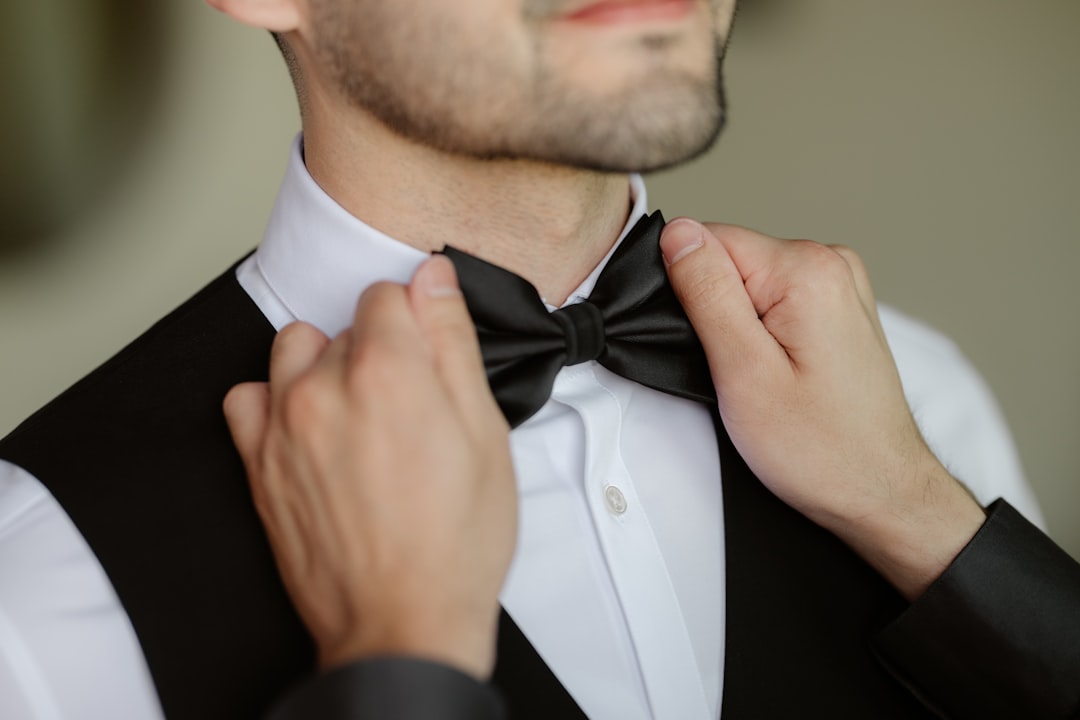
A mirror is your best friend when learning to tie a bow tie. Stand close enough to see the knot clearly, but not so close that your hands block everything. At first, your movements may feel reversed because you are watching yourself in reflection. Go slowly and focus on how the fabric feels, not just how it looks.
Some people find it helpful to practice around their thigh first. This lets you see the knot more clearly without using a mirror. Once you understand how the loops pass through each other, move to your neck and practice with your actual collar.
Keep the Fabric Flat
One of the most common mistakes is allowing the fabric to twist. A twisted bow tie can look messy and make the knot harder to tighten. As you go through each step, smooth the fabric with your fingers. Make sure the front side of the bow tie remains visible and that the edges are not rolled inward.
When pulling the loop through the back opening, do it gently. If you force it, the fabric may bunch up. A slow, controlled motion gives you a cleaner knot and reduces the chance of having to start over.
Do Not Over-Tighten Too Early
It is tempting to tighten the knot immediately, but this can make adjustments difficult. Keep the bow slightly loose until both loops are formed. Once the shape is in place, tighten gradually by pulling opposite parts: front loop with back tail, then back loop with front tail.
This alternating method gives you more control. If one side is too large, pull the tail connected to that side. If the knot feels loose, pull both loops outward. Small adjustments are better than strong tugs.
Shape the Bow Carefully
The shaping stage is where a bow tie goes from acceptable to excellent. After tightening, use your fingers to spread the loops and flatten the folded edges. The center knot should be compact, but not crushed. The wings should have a smooth shape and sit comfortably against your collar.
Remember that a self-tied bow tie should not look perfectly symmetrical. In fact, a slightly uneven shape is often considered more stylish because it shows the tie was tied by hand. Aim for balance, not robotic precision.
Common Bow Tie Mistakes to Avoid
- Starting with equal-length ends: One end should be slightly longer at the beginning so you have enough fabric to wrap and form the second loop.
- Pulling the wrong part through: Push the folded loop through the back opening, not the loose flat end.
- Ignoring the collar: Always tie your bow tie with your shirt collar up, then fold the collar down after the bow is complete.
- Making the knot too loose: A loose bow tie droops and shifts throughout the event.
- Overcorrecting the shape: Too much fussing can distort the knot. Adjust gently and stop when it looks natural.
Match the Bow Tie to the Occasion
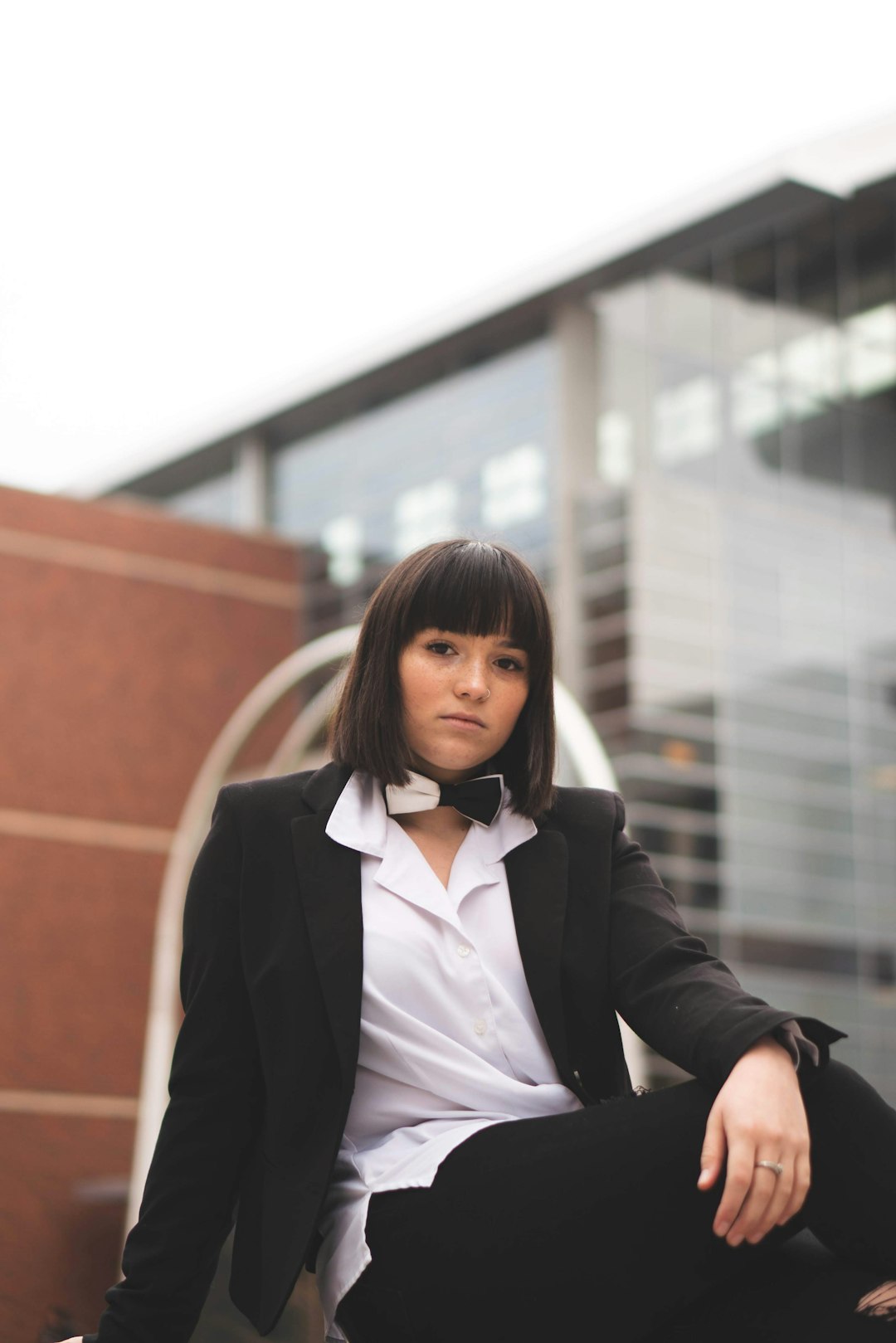
The way you tie and style your bow tie can vary depending on the event. For black-tie occasions, a classic black silk bow tie is the traditional choice. It should be tied neatly and worn with a tuxedo shirt. For weddings or parties, you can choose patterns, colors, or textured fabrics to add personality.
For casual styling, a bow tie can be worn with a blazer, vest, or even a crisp button-down shirt. In less formal settings, a slightly relaxed bow shape is perfectly acceptable. The key is to make the bow tie look intentional, not careless.
Prepare Before the Event
Never wait until five minutes before leaving to tie a bow tie for the first time. Practice several times a day or two before the event. This builds muscle memory and reduces stress. On the day itself, give yourself extra time so you can tie it calmly.
If you are wearing a new bow tie, test it with your shirt in advance. Different collars may affect how the bow sits. A spread collar, wing collar, or button-down collar can all change the final look. Trying everything together beforehand prevents last-minute surprises.
How to Fix an Uneven Bow Tie
If one loop is larger than the other, do not immediately untie the whole thing. First, identify which tail controls the oversized loop. Pull the opposite tail gently to reduce the loop size. Then adjust the other side to restore balance.
If the bow is crooked, hold the knot at the center and rotate it slightly until it lines up with your shirt buttons. If the knot has become too tight to adjust, loosen it by pulling gently on the loops. Patience is essential; bow ties respond best to small corrections.
Care for Your Bow Tie After Wearing It
After the event, untie your bow tie completely instead of pulling it loose and leaving it knotted. Keeping it tied can create permanent creases and shorten its life. Lay it flat or hang it so the fabric can relax naturally.
For silk bow ties, avoid water and harsh cleaning. If there is a stain, consult a professional cleaner. Cotton and wool bow ties may be easier to maintain, but always check the care instructions. A well-kept bow tie will hold its shape better and be easier to tie next time.
Final Thoughts
Perfectly tying a bow tie is a skill built through practice, patience, and attention to detail. The basic knot is simple, but the elegance comes from controlling the fabric, shaping the loops, and making thoughtful adjustments. Once you master it, you will never need to rely on a pre-tied bow again.
The best advice is to relax. A bow tie is meant to have a little personality. If it is centered, secure, and attractively shaped, it is doing its job. With the right technique and a few practice attempts, you can tie a bow tie confidently and avoid the most common mistakes.