Make your Instagram Story ad feel like a useful post first and an ad second. People swipe fast, so your offer, product, and next step must be clear in the first two seconds. Instagram Stories are used by over 500 million accounts every day, which makes the format huge but also noisy [source: Meta]. If your ad opens with a slow intro, tiny text, or a vague “learn more,” expect those taps to disappear.
TLDR: A converting Story ad needs one message, one strong visual, and one clear action. Start with the result your customer wants, such as “Get 20% off running shoes today”, not a logo animation. For example, a local gym could run a 15-second Story ad with a trial offer and track results: 10,000 impressions, 180 link clicks, and 24 trial signups means a 13.3% click-to-signup rate. Test two versions at a time so you know what actually moved the number.
Build the ad around one action
Story ads fail when they try to do too much. One ad should not introduce your brand, explain five benefits, show three products, and ask for a purchase. That is a mess on a phone screen.
Pick one goal:
- Sales: Send users to a product page or checkout.
- Leads: Offer a free quote, guide, booking, or trial.
- App installs: Show the app in action and make the download feel easy.
- Retargeting: Bring back visitors who viewed a product but did not buy.
Once the goal is set, write the ad like a tiny pitch. The best structure is simple: problem, promise, proof, action. For example: “Tired of jeans that stretch out by lunch? Meet our all-day fit denim. Rated 4.8 stars. Tap to shop.”
Win the first two seconds
The first frame does the heavy lifting. Do not waste it on your logo. People do not sit around waiting for a brand reveal. Show the product, the result, or the offer right away.
Strong openings include:
- A direct offer: “30% off ends tonight.”
- A pain point: “Still chasing unpaid invoices?”
- A bold product shot: Show the item being used, not sitting still.
- A quick before and after: Great for beauty, fitness, home, and software.
- A question: “Need dinner ready in 10 minutes?”
Keep text large. Use contrast. Place key words away from the top and bottom of the screen because Instagram buttons can cover them. Honestly, it feels like some ad previews hide the problem until the last second. Check the placement before you publish, even if it adds another minute.
Design for vertical viewing
Story ads should be built in a 9:16 format. Do not crop a square feed post and hope for the best. It often looks lazy, and users can feel that.
Use motion, but keep it controlled. A product demo, hand movement, camera push-in, or text reveal can hold attention. Wild animation can do the opposite. It makes people swipe because their brain says, “Nope, too much.”
Good Story ad design follows a few rules:
- Use one main visual. Too many objects create confusion.
- Limit text to one idea per frame. Short lines work best.
- Use captions. Many users watch with sound off.
- Show faces when possible. Human reactions stop the scroll.
- Match the ad to the landing page. Same offer. Same product. Same promise.

Write copy that sounds like a person
Your Story ad copy should feel natural. Avoid lines like “Experience quality like never before.” Nobody talks that way. Say what the product does and why someone should care.
Compare these two versions:
- Weak: “Upgrade your lifestyle with our premium wellness solution.”
- Better: “Sleep cooler tonight with sheets that breathe.”
The second one is clear. It gives a result. It also fits on a small screen.
Use urgency with care. “Sale ends tonight” works if the sale really ends tonight. Fake pressure may bring clicks once, but it can hurt trust. Better urgency comes from real limits, such as low stock, seasonal timing, event dates, or expiring bonuses.
Make the call to action painfully clear
A Story ad should never leave users wondering what to do next. Use a clear call to action and repeat it visually. Instagram may show a button, but your creative should still guide the user.
Strong calls to action include:
- Shop the sale
- Book your free call
- Get the recipe
- Start your trial
- Claim the discount
Do not send users to your homepage unless the goal is broad awareness. If the ad promotes a red dress, send users to that red dress. Not the whole catalog. Not a category page with 80 items. Every extra tap costs you conversions.
Test the parts that matter
Expect to waste time on random tweaks if you do not test with a plan. Changing the font color, music, headline, audience, and offer all at once tells you nothing.
Test one major item at a time:
- Hook: Question vs. discount vs. problem statement.
- Creative: Product demo vs. customer reaction.
- Offer: 10% off vs. free shipping.
- Audience: New users vs. website visitors.
- Landing page: Long page vs. short checkout path.
Watch the right numbers. A cheap click is not always a good click. Track thumb stop rate, click through rate, cost per lead, add to cart rate, and purchase return. If people click but do not buy, the ad may be fine. The landing page may be the problem.
Image not found in postmeta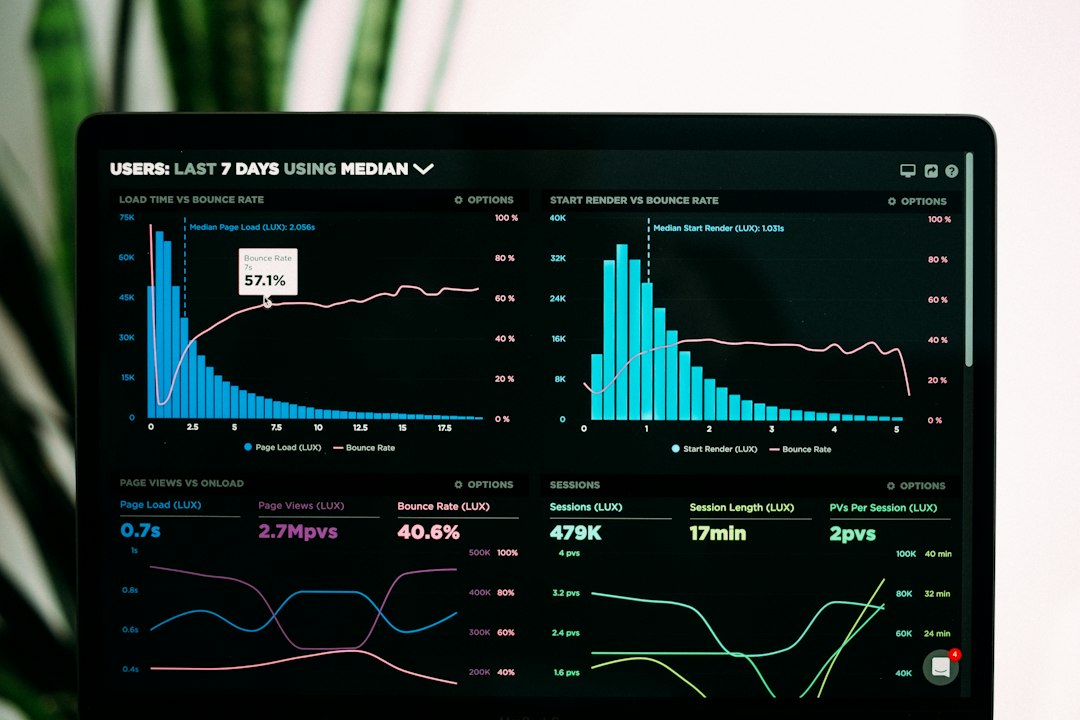
Use retargeting for warmer traffic
Cold audiences need more trust. Retargeting audiences already know you, so the ad can be more direct. Show a product they viewed. Remind them of a cart. Offer a small bonus. Keep it helpful, not creepy.
A simple retargeting flow could look like this:
- User watches 50% of your Story ad.
- They see a second ad with customer proof.
- They visit the product page.
- They get a final Story ad with free shipping or a deadline.
The best Instagram Story ads are clear, quick, and built for action. Show the value fast. Keep the design clean. Send users to the right page. Then test, measure, and improve one thing at a time.