Every organization runs on processes, whether they are formally documented or simply “the way things get done.” From approving invoices and onboarding employees to handling customer complaints and launching new products, processes shape speed, quality, cost, and customer experience. Process management is the discipline of understanding, improving, controlling, and continuously optimizing those workflows so that work becomes more predictable, efficient, and valuable.
TLDR: Process management is the practice of designing, documenting, improving, and monitoring business processes to achieve better results. It helps organizations reduce waste, improve consistency, increase productivity, and deliver better customer experiences. A strong process management approach combines people, technology, measurement, and continuous improvement. In short, it turns scattered work into clear, repeatable systems.
What Is Process Management?
Process management is the structured approach to managing how work moves through an organization. A process is a sequence of activities that transforms inputs into outputs. For example, a sales process may begin with a lead, move through qualification and proposal, and end with a closed deal or a lost opportunity.
Process management focuses on identifying these sequences, analyzing how they perform, improving them, and making sure they remain effective over time. It is not just about creating diagrams or writing manuals. It is about building a practical system that helps teams do the right work, in the right order, with the right resources.
In simple terms, process management answers questions such as:
- What steps are required to complete this work?
- Who is responsible for each step?
- Where do delays, errors, or unnecessary costs occur?
- How can the process be improved?
- How do we measure whether the process is successful?
When done well, process management creates clarity. Employees understand expectations, managers can make decisions based on data, and customers experience more reliable service.
Why Process Management Matters
Organizations often grow faster than their processes. What worked for a team of five may fail when the company reaches fifty or five hundred people. Without formal process management, work can become chaotic: tasks are duplicated, responsibilities are unclear, approvals take too long, and customers receive inconsistent results.
Effective process management helps prevent this. It turns tribal knowledge into documented knowledge and replaces guesswork with repeatable methods. It also gives leaders a way to improve performance without relying only on individual effort.
Some of the biggest benefits include:
- Higher efficiency: Streamlined processes remove unnecessary steps and reduce wasted time.
- Better quality: Standardized workflows make outcomes more consistent and reliable.
- Lower costs: Fewer errors, delays, and rework reduce operational expenses.
- Improved accountability: Clear roles make it easier to know who owns each task.
- Greater scalability: Documented processes allow organizations to grow without losing control.
- Stronger customer experience: Faster, more reliable service increases trust and satisfaction.
Good process management is not bureaucracy. It should simplify work, not bury people in paperwork. The goal is to make processes useful, visible, and adaptable.

Key Elements of Process Management
Process management includes several interconnected elements. Together, they create a cycle of understanding, improving, and sustaining performance.
1. Process Identification
The first step is recognizing which processes exist and which ones matter most. Most organizations have dozens or even hundreds of processes, but not all deserve immediate attention. High-impact processes are usually those that affect customers, revenue, compliance, cost, or employee productivity.
Examples include:
- Order fulfillment
- Customer support
- Employee onboarding
- Procurement
- Product development
- Invoice approval
2. Process Mapping
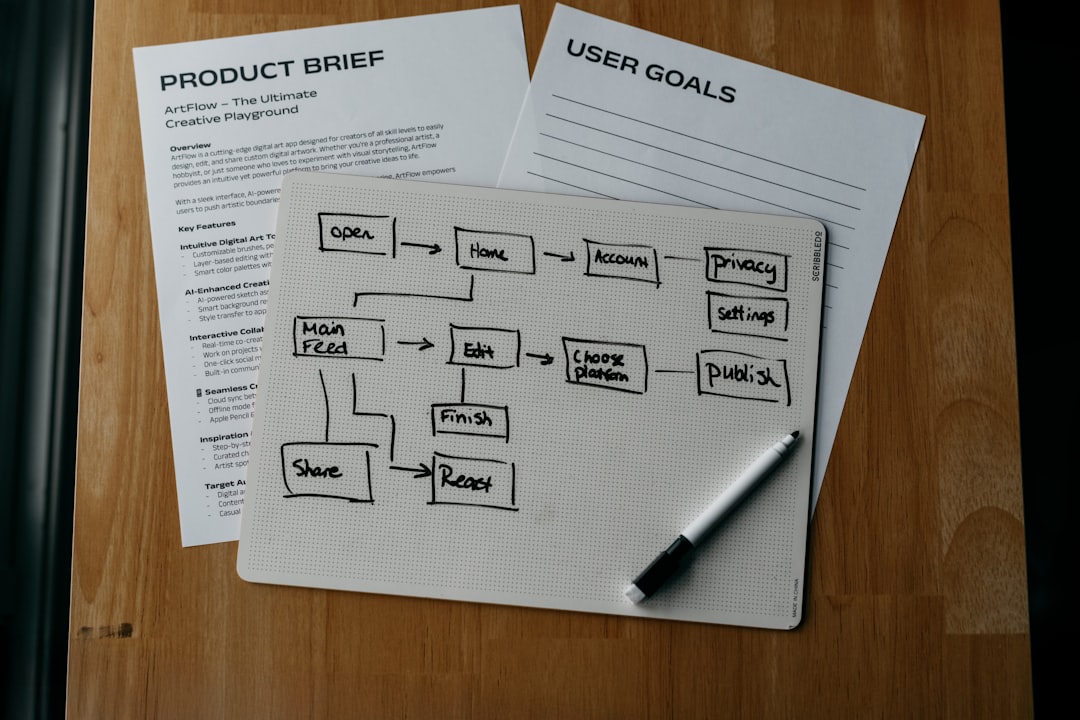
Once a process is selected, it should be mapped. A process map visually shows the steps, decisions, handoffs, inputs, and outputs involved. Mapping helps teams see the full picture instead of only their individual parts.
Common mapping tools include flowcharts, swimlane diagrams, SIPOC diagrams, and value stream maps. These tools reveal bottlenecks, duplicated tasks, unclear ownership, and unnecessary complexity.
3. Process Analysis
After mapping comes analysis. This is where teams ask what is working, what is not, and why. Data is essential here. Instead of relying only on opinions, process managers look at metrics such as cycle time, error rate, cost per transaction, customer satisfaction, and completion volume.
Useful questions include:
- Which step takes the longest?
- Where do mistakes occur most often?
- Which approvals are genuinely necessary?
- Are employees waiting for information or decisions?
- Can any tasks be automated?
4. Process Improvement
Improvement involves redesigning the process to perform better. This may mean removing steps, combining tasks, changing responsibilities, automating repetitive work, or introducing new quality controls.
Small improvements can create big results. For example, reducing an approval process from five steps to three may save hundreds of hours per year. Automating email reminders can prevent delays. Clarifying intake requirements can reduce back-and-forth communication.
5. Process Monitoring
A process is never truly “finished.” Once improved, it must be monitored to ensure it continues to perform well. Conditions change: teams expand, technology evolves, customer expectations rise, and regulations shift. Monitoring keeps processes aligned with reality.
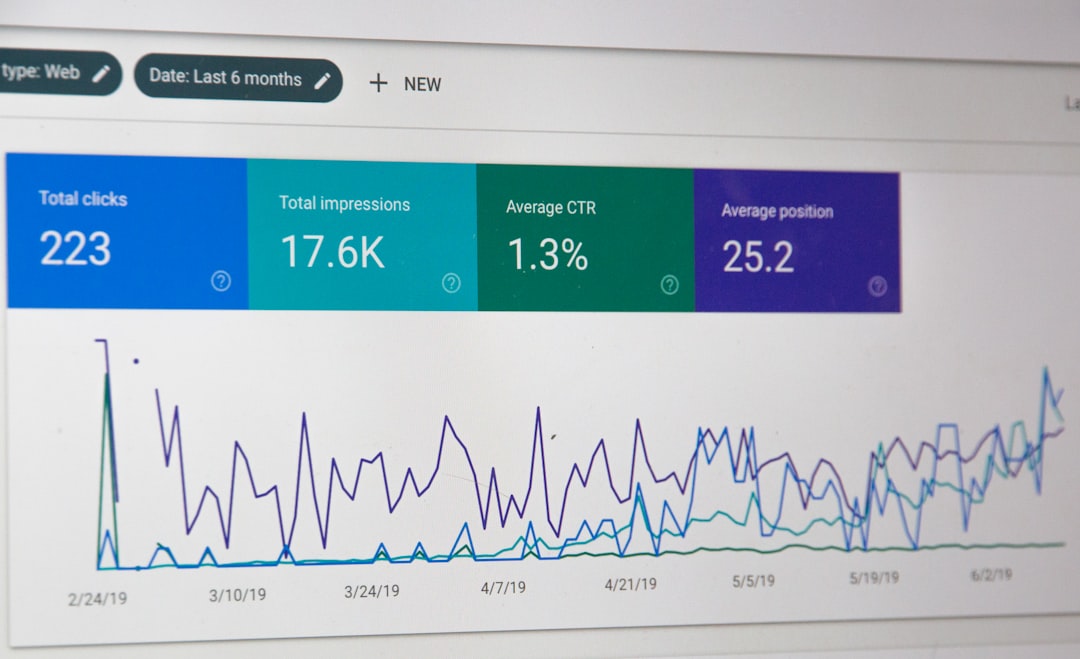
Key performance indicators, or KPIs, help teams track performance over time. Common KPIs include:
- Cycle time: How long the process takes from start to finish.
- Throughput: How many items are completed in a given period.
- Error rate: How often defects or mistakes occur.
- Cost: How much the process requires in labor, tools, or materials.
- Customer satisfaction: How users or customers rate the outcome.
Types of Business Processes
To manage processes effectively, it helps to understand the three main categories of business processes.
Core Processes
Core processes directly create value for customers and generate revenue. These are the activities that define what the organization does. For a software company, core processes might include product development, sales, customer onboarding, and technical support.
Support Processes
Support processes do not usually create customer value directly, but they enable core processes to function. Examples include human resources, IT support, finance, payroll, and internal training.
Management Processes
Management processes help leaders plan, control, and improve the organization. These include strategic planning, performance management, compliance oversight, budgeting, and risk management.
All three types matter. A weak support process can damage a strong core process. For instance, if hiring is slow, customer service teams may become understaffed, which affects customer experience.
Process Management vs. Project Management
Process management and project management are related, but they are not the same. Project management focuses on temporary efforts with a defined beginning and end, such as launching a website, opening a new office, or implementing software.
Process management, by contrast, focuses on ongoing work that repeats over time. Processing payroll, handling returns, approving contracts, and responding to support tickets are processes because they happen again and again.
A simple way to remember the difference is this: projects create change; processes sustain operations. However, the two often work together. A company may run a project to improve a process, and once the project ends, the improved process becomes part of daily operations.
The Process Management Lifecycle
Most process management efforts follow a lifecycle. While terminology varies, the core stages are usually similar.
- Discover: Identify and document existing processes.
- Model: Create visual representations of workflows.
- Analyze: Evaluate performance, problems, and root causes.
- Improve: Redesign the process to remove waste and increase value.
- Implement: Put the new process into practice with training and communication.
- Monitor: Track results using KPIs and feedback.
- Optimize: Continue refining the process as conditions change.
This lifecycle encourages continuous improvement rather than one-time fixes. The best organizations treat processes as living systems that must be reviewed and adjusted regularly.
Popular Process Management Methods
Several established methods can guide process management. Each has its own focus, but they all help organizations improve how work is done.
Lean
Lean focuses on eliminating waste and maximizing value. Waste may include waiting, overproduction, unnecessary movement, defects, excess inventory, and work that does not benefit the customer.
Six Sigma
Six Sigma emphasizes reducing variation and defects. It uses data and statistical analysis to improve quality. The DMAIC framework, which stands for Define, Measure, Analyze, Improve, and Control, is commonly used in Six Sigma projects.
Business Process Management
Business Process Management, often called BPM, is a broader discipline that combines process modeling, automation, monitoring, and continuous improvement. BPM often involves software platforms that help organizations design, execute, and measure workflows.
Kaizen
Kaizen is a Japanese term meaning continuous improvement. It encourages small, ongoing improvements made by employees at every level. Rather than waiting for major transformation projects, Kaizen promotes daily progress.
Technology and Process Management
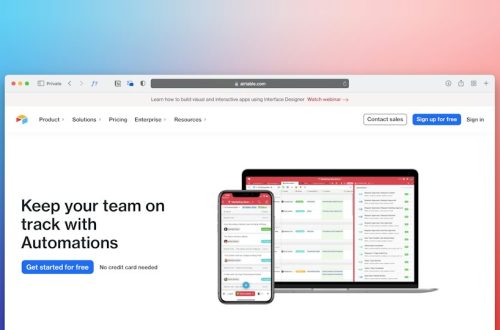
Modern process management often relies on technology. Workflow software, automation platforms, data dashboards, and collaboration tools can make processes easier to manage and measure.
Technology can help by:
- Automating repetitive administrative tasks
- Routing work to the right person automatically
- Sending reminders and notifications
- Capturing process data in real time
- Creating dashboards for managers and teams
- Standardizing forms, requests, and approvals
However, technology should not be used to automate a bad process without improvement. If a workflow is confusing or unnecessary, automation may simply make the confusion happen faster. The best approach is to understand and simplify the process first, then use technology to support it.

How to Implement Process Management
Introducing process management does not require a massive transformation all at once. In fact, starting small is often more effective. Choose a process that is important, visible, and causing real pain. Then work through it carefully.
Here is a practical step-by-step approach:
- Select a process: Pick one workflow with measurable impact.
- Define the goal: Decide what improvement means, such as faster completion or fewer errors.
- Map the current state: Document how the process works today, not how people think it works.
- Gather feedback: Speak with employees, managers, customers, and other stakeholders.
- Find root causes: Identify why problems happen instead of only treating symptoms.
- Design the future state: Create a better version of the process.
- Test changes: Pilot the new process before rolling it out broadly.
- Train users: Make sure everyone understands the new workflow and responsibilities.
- Measure results: Compare performance before and after the change.
- Refine continuously: Use data and feedback to keep improving.
Common Challenges in Process Management
Process management can create major benefits, but it is not always easy. One common challenge is resistance to change. Employees may be comfortable with familiar routines, even if those routines are inefficient. Clear communication is essential. People need to understand why changes are happening and how they will benefit.
Another challenge is overcomplication. Some teams create processes that are so detailed and rigid that they slow work down. A good process should provide structure without eliminating good judgment.
Data quality can also be an issue. If metrics are incomplete or inaccurate, teams may draw the wrong conclusions. Finally, process ownership must be clear. If nobody owns a process, nobody is accountable for improving it.
Best Practices for Effective Process Management
To make process management successful, keep these best practices in mind:
- Focus on value: Every process should support a meaningful business or customer outcome.
- Involve the people doing the work: Frontline employees often understand process problems best.
- Keep documentation simple: Make process guides easy to read, update, and use.
- Use data, not assumptions: Measure performance before making major changes.
- Assign ownership: Every important process needs a responsible owner.
- Review regularly: Schedule periodic reviews to keep processes current.
- Balance standardization and flexibility: Create consistency while allowing room for exceptions.
Final Thoughts
Process management is one of the most powerful ways to improve how an organization operates. It brings order to complexity, turns repeated work into reliable systems, and helps teams deliver better outcomes with less waste. Whether a company is small and growing or large and complex, managing processes intentionally can improve productivity, quality, accountability, and customer satisfaction.
The key is to view processes not as static rules, but as evolving systems. When organizations continuously examine how work gets done, they become more adaptable, more efficient, and better prepared for change. In a world where speed and consistency matter, process management is not just an operational tool; it is a competitive advantage.