For startups, organic traffic is not just a marketing metric; it is a compounding growth channel. In 2026, SEO is more competitive, more AI-influenced, and more connected to product positioning than ever before. The good news is that startups do not need massive budgets to win. They need focus, consistency, and a strategy built around search intent, authority, technical performance, and trust.
TLDR: The best SEO strategies for startups in 2026 combine technical excellence, AI-aware content, topic authority, and strong conversion paths. For example, a SaaS startup publishing 20 intent-focused articles and improving page speed by 35% could realistically increase organic demo requests by 25% to 40% within six months. The key is to stop chasing random keywords and start building a search ecosystem around real customer problems.
1. Build SEO Around Customer Intent, Not Just Keywords
Keyword research still matters, but in 2026, intent research matters more. Search engines are better at understanding why someone is searching, not just what words they type. A startup targeting “project management software” may face brutal competition, but targeting “best project management tool for remote engineering teams” can attract users much closer to purchase.
Separate your keyword opportunities into four intent groups:
- Informational: Users want education, such as “how to reduce churn.”
- Commercial: Users compare options, such as “best CRM for startups.”
- Transactional: Users are ready to act, such as “book accounting software demo.”
- Supportive: Users need help after purchase, such as “how to integrate Slack with CRM.”
Startups grow faster when they map content to the full buyer journey instead of only writing top-of-funnel blog posts.
2. Create Topic Clusters That Prove Authority
Publishing isolated blog posts is no longer enough. Search engines increasingly reward websites that demonstrate depth on a topic. A topic cluster includes one main pillar page and several supporting articles that answer related questions.
For example, a cybersecurity startup could create a pillar page on small business data protection, then support it with articles about password policies, cloud backup, employee training, compliance basics, and breach response plans. Each supporting page links back to the pillar page, and the pillar links out to them.
This structure helps users navigate your expertise and helps search engines understand that your site is a reliable resource. It also increases internal linking, which spreads authority across your website and improves discoverability.
3. Optimize for AI Search and Answer Engines
By 2026, many users discover information through AI-generated answers, search summaries, and conversational platforms. This does not mean traditional SEO is dead. It means your content must be easier for machines to understand, quote, and trust.
To make your content more AI-friendly:
- Use clear headings that directly answer common questions.
- Add concise definitions near the top of important pages.
- Include original data, examples, and expert commentary.
- Use structured lists, tables, and FAQ sections where helpful.
- Keep authorship, dates, and sources visible.
AI systems tend to favor content that is specific, current, and authoritative. Instead of writing generic posts like “Why Marketing Matters,” publish content with useful detail, such as “How Early Stage B2B SaaS Startups Can Build a 90 Day SEO Funnel.”
4. Make Technical SEO a Growth Foundation
Technical SEO is often ignored by early startups because it feels less exciting than content. However, if search engines cannot crawl, render, and understand your website properly, your best content may never perform.
Focus on the essentials first:
- Fast load times: Compress images, reduce unnecessary scripts, and use efficient hosting.
- Mobile-first design: Most searches happen on mobile devices, so usability must be flawless.
- Clean site architecture: Important pages should be reachable within a few clicks.
- Indexing control: Use robots.txt, canonical tags, and sitemaps correctly.
- Structured data: Add schema for products, FAQs, articles, reviews, and organizations where relevant.
A technically healthy website gives every content and link-building effort a better chance of success.
5. Publish Bottom-of-Funnel Content Early
Many startups begin with broad educational content because it attracts volume. The problem is that high-volume traffic often converts poorly. In 2026, startups should publish bottom-of-funnel content much earlier.
This includes pages such as:
- “Alternative to” comparison pages
- “Best tools for” list pages
- Industry-specific landing pages
- Use case pages
- Pricing and feature comparison content
These pages may attract fewer visitors, but those visitors are more likely to become leads, trial users, or customers. A landing page that gets 600 visits and converts at 8% is far more valuable than a blog post that gets 5,000 visits and converts at 0.2%.
6. Turn Founder Expertise Into Searchable Content
Startups have an advantage larger companies often lose: direct access to founders, product builders, and customer conversations. This expertise can become highly defensible SEO content.
Interview your founder, sales team, customer success team, or engineers and turn their insights into articles, guides, videos, and FAQs. Real experience makes content more original and harder to copy. For example, instead of writing “Tips for Improving Onboarding,” a startup could publish “What We Learned After Analyzing 12,000 User Onboarding Sessions.”
This kind of content supports E-E-A-T: experience, expertise, authoritativeness, and trustworthiness. It also gives your brand a distinctive voice in search results crowded with generic AI-written articles.
7. Build Links Through Value, Not Spam
Backlinks still influence rankings, but low-quality link schemes are risky and increasingly ineffective. Startups should focus on earning links through assets people naturally want to reference.
Strong linkable assets include:
- Original research reports
- Free calculators or templates
- Interactive tools
- Industry benchmarks
- Expert roundups with real insights
- Data visualizations
Digital PR can also work well. If your startup has proprietary data, use it to tell a story journalists and niche publications care about. For instance, a fintech startup could publish a report showing that small businesses spend 14% more time on invoice follow-ups during Q4. Specific findings are much more link-worthy than generic advice.
8. Measure SEO by Revenue Signals, Not Vanity Metrics
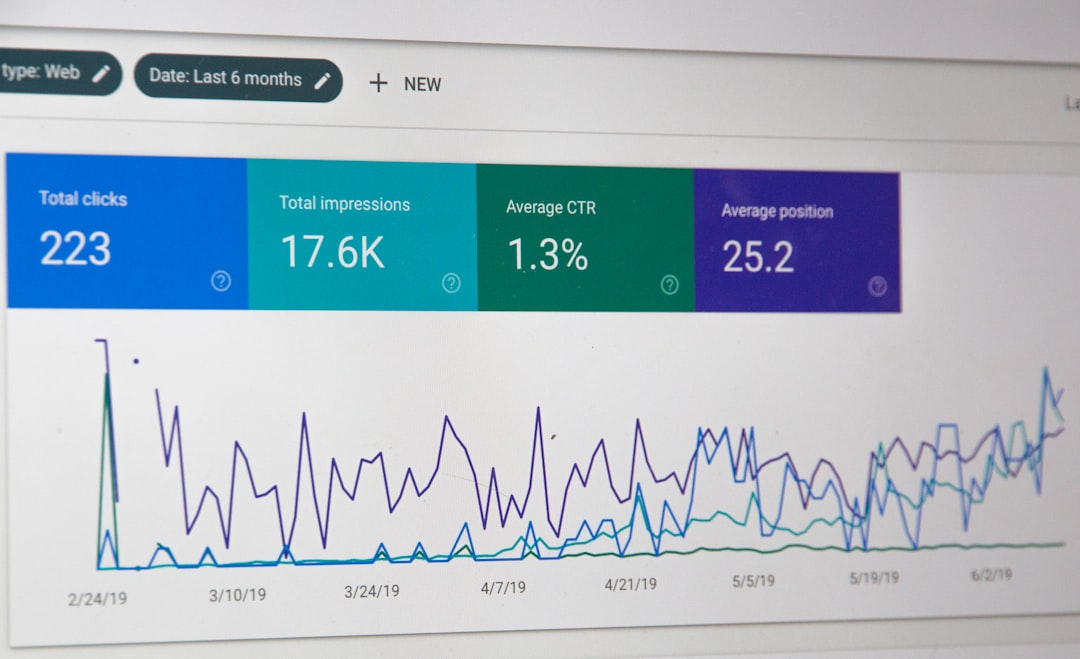
Organic traffic growth is exciting, but traffic alone does not pay the bills. Startups should connect SEO performance to business outcomes such as signups, demos, pipeline, customer acquisition cost, and retention.
Track metrics like:
- Organic conversions: Trials, demos, purchases, or newsletter signups from search.
- Assisted conversions: SEO touchpoints that helped users convert later.
- Keyword movement by intent: Rankings for terms that indicate buying interest.
- Content decay: Pages losing traffic that need updates.
- Revenue per landing page: Which pages actually influence income.
Set quarterly SEO experiments. For example, update ten aging articles, improve internal links to five commercial pages, and test new calls to action. Then measure whether organic leads, rankings, and conversion rates improve over 60 to 90 days.
Final Thoughts
SEO for startups in 2026 is not about publishing as much content as possible. It is about building a focused, trustworthy, technically sound search presence that matches how buyers research and make decisions. The startups that win will combine smart content strategy, technical discipline, authentic expertise, and revenue-focused measurement.
If your startup is just beginning, start small but strategically: choose one core topic, build a cluster around it, fix technical issues, create comparison pages, and measure conversions carefully. Organic growth takes patience, but when done well, it becomes one of the most efficient and defensible growth engines a startup can build.