
Organizations under pressure to report emissions, improve supplier transparency, and prove environmental progress often look for software that turns sustainability work into measurable data. Substain is commonly positioned as a sustainability and ESG management platform designed to help companies collect, monitor, and report environmental and social performance across operations.
TLDR: Substain appears best suited for organizations that need a structured way to manage sustainability data, track ESG indicators, and prepare reports for internal or external stakeholders. For example, a mid-sized manufacturer with 12 facilities could use such a platform to consolidate energy, waste, and emissions data, then identify that 38% of its electricity consumption comes from three high-usage sites. Its strengths are likely in centralized data workflows, reporting support, and compliance alignment, while alternatives may offer deeper carbon accounting, supplier management, or enterprise analytics.
What Is Substain?
Substain is a sustainability management solution focused on helping organizations move from scattered spreadsheets to a more controlled ESG reporting environment. Rather than treating sustainability as a once-a-year reporting activity, the platform supports ongoing data collection, performance tracking, and communication around sustainability objectives.
Its main value lies in creating a unified space where environmental, social, and governance information can be stored, validated, and transformed into reports. This can be useful for companies facing stakeholder questions, regulatory requirements, customer sustainability questionnaires, or internal net-zero targets.
Key Features of Substain
1. ESG data collection
Substain helps organizations gather sustainability information from different departments, sites, regions, or business units. This may include energy consumption, fuel use, business travel, waste generation, water use, employee metrics, and governance-related indicators. A central data collection process reduces the risk of outdated spreadsheet versions and inconsistent calculations.
2. Reporting and disclosure support
Many sustainability teams need to prepare reports for executives, investors, customers, or regulatory bodies. Substain can support this by organizing data into formats suitable for ESG reporting, sustainability statements, and performance summaries. Depending on the implementation, it may help align reporting with recognized frameworks or internal reporting structures.
3. Performance tracking
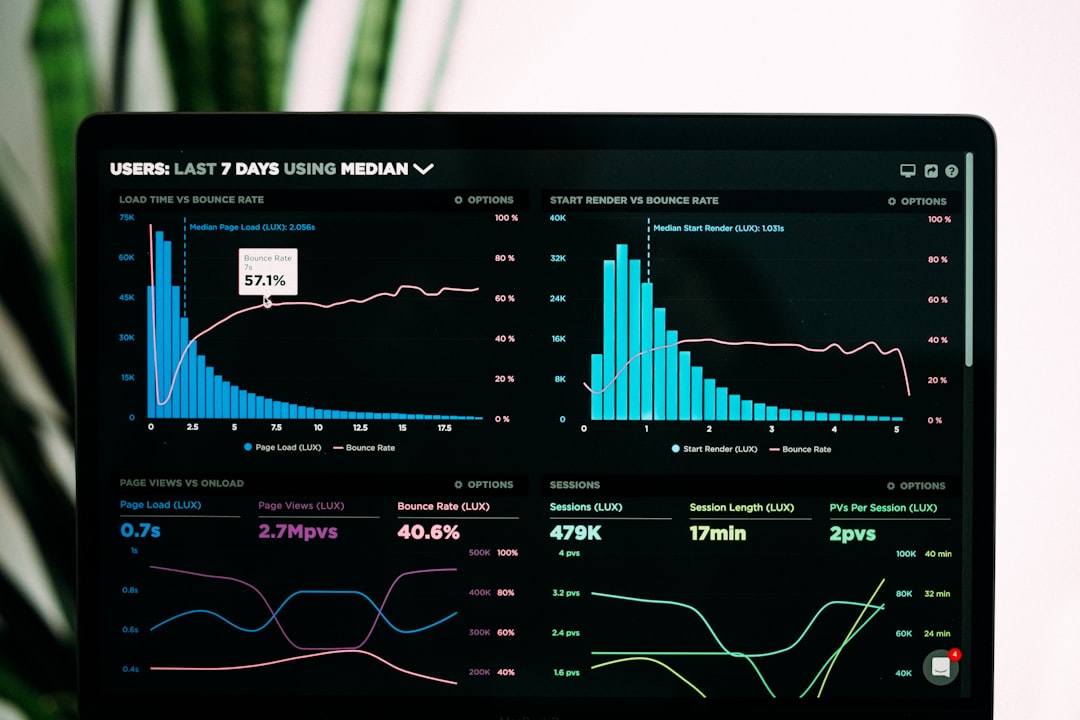
The platform can be used to monitor sustainability goals over time. For example, a company may track progress toward reducing Scope 1 and Scope 2 emissions by 25% over five years. Dashboards and trend views allow stakeholders to see whether the organization is ahead of schedule, behind target, or moving inconsistently across business units.
4. Emissions and resource monitoring
Substain’s sustainability capabilities may include tracking energy, materials, waste, and related greenhouse gas emissions. This is especially valuable for companies that need to understand how operational activities translate into environmental impact. Clear visibility into resource consumption can help sustainability managers prioritize efficiency projects.
5. Collaboration and accountability
ESG data often comes from finance, operations, procurement, HR, facilities, and compliance teams. A sustainability platform is useful when it assigns responsibilities, sets deadlines, and makes ownership visible. Substain can support cross-functional collaboration by providing one shared environment for contributors and reviewers.
Sustainability Capabilities
Substain’s primary sustainability advantage is data centralization. Many organizations begin their ESG journey with manual data entry, emails, spreadsheets, and disconnected reports. While this may work for a small company, it becomes unreliable as reporting needs expand. Substain helps standardize the process and create repeatable workflows.
A second capability is measurement consistency. Sustainability reporting depends on comparable data. If one facility reports electricity in kilowatt-hours and another reports spending in local currency, the sustainability team has to normalize the information before analysis. A platform can reduce this friction by guiding users toward consistent data fields and calculation methods.
A third capability is decision support. Sustainability software should not only document what happened; it should also help companies decide what to do next. By showing patterns in emissions, energy use, waste, or water consumption, Substain can help identify where interventions may have the highest impact.

Who Should Consider Substain?
Substain is a strong fit for organizations that need a more formal ESG management process but may not require a highly complex enterprise carbon accounting system. It may be especially relevant for:
- Mid-sized companies moving away from spreadsheet-based sustainability reporting.
- Manufacturers that need site-level data on energy, waste, and emissions.
- Service companies responding to client ESG questionnaires and procurement requirements.
- Organizations with multiple locations that need standardized environmental data collection.
- Sustainability teams seeking clearer workflows, responsibilities, and audit trails.
For a company with limited sustainability maturity, Substain can provide structure. For a company with advanced requirements, it should be evaluated carefully against carbon accounting depth, supplier data needs, assurance readiness, and integrations with existing enterprise systems.
Strengths and Limitations
Strengths:
- Centralizes ESG and sustainability information in one platform.
- Improves visibility into environmental performance across locations or departments.
- Supports more consistent reporting workflows.
- Can reduce manual work associated with spreadsheet-based data management.
- Helps organizations communicate sustainability progress more clearly.
Limitations:
- Advanced carbon accounting features may vary depending on configuration and data sources.
- Organizations may still need expert guidance for regulatory interpretation and assurance.
- Initial setup requires clean data, defined responsibilities, and internal process discipline.
- Some companies may need deeper supplier engagement or lifecycle assessment tools.
Substain Alternatives
Several alternatives may be considered depending on company size, ESG maturity, and reporting priorities.
Plan A is often used by companies looking for carbon accounting, decarbonization planning, and ESG reporting support. It may be suitable for organizations that want emissions calculations combined with reduction pathways.
Watershed is a carbon management platform aimed at companies requiring detailed emissions measurement, supplier insights, and climate program management. It is often considered by larger or fast-growing companies with mature climate goals.
Persefoni focuses heavily on carbon accounting and climate disclosure. It may appeal to organizations that need finance-grade emissions data and strong alignment with disclosure requirements.
Novisto is an ESG data management and reporting platform used by companies that need structured disclosure workflows, governance, and investor-facing reporting capabilities.
Diligent ESG may be a good fit for organizations already focused on governance, risk, compliance, and board-level oversight. It combines ESG data with broader governance visibility.
Workiva is a powerful reporting and compliance platform that can support ESG disclosure alongside financial and regulatory reporting. It may be more suitable for enterprises with complex reporting requirements.

How Substain Compares
Substain’s appeal is likely strongest where organizations need a practical sustainability management layer rather than a highly specialized carbon analytics engine. Compared with more enterprise-focused platforms, it may offer a more approachable way to organize ESG initiatives and reporting workflows. However, companies with complex Scope 3 emissions, global regulatory exposure, or investor-grade climate disclosure needs should compare capabilities in detail.
The best evaluation approach is to list the organization’s reporting needs first. If the main goal is to collect data from 20 sites, reduce manual reporting time by 40%, and produce consistent management reports, Substain may be a strong candidate. If the main goal is advanced supplier emissions modeling or audit-ready financial-grade climate disclosure, alternatives may deserve closer review.
Final Verdict
Substain is a useful option for organizations that want to bring order, visibility, and repeatability to sustainability management. Its strongest role is helping teams centralize ESG data, track sustainability metrics, and communicate progress in a more structured way. It is not merely a reporting tool; when implemented well, it can support better operational decisions and stronger accountability.
Before selection, organizations should compare Substain against alternatives based on calculation transparency, framework support, integrations, user permissions, reporting exports, and long-term scalability. The right choice depends less on the number of features and more on whether the platform matches the organization’s sustainability maturity, compliance exposure, and internal resources.
FAQ
Is Substain mainly for carbon accounting?
Substain appears to focus on broader sustainability and ESG management, which can include emissions tracking. Organizations requiring advanced carbon accounting should verify calculation methods, emission factor coverage, and Scope 3 capabilities.
What types of companies can use Substain?
It can be useful for mid-sized and larger organizations that need to collect sustainability data from multiple departments, locations, or subsidiaries.
Does Substain replace sustainability consultants?
No. It can improve data management and reporting workflows, but companies may still need consultants for strategy, regulatory interpretation, assurance preparation, or decarbonization planning.
What should be checked before choosing Substain?
Decision-makers should review reporting framework support, emissions methodology, integrations, dashboard flexibility, data validation features, user roles, and export options.
What are the best Substain alternatives?
Common alternatives include Plan A, Watershed, Persefoni, Novisto, Diligent ESG, and Workiva, depending on whether the organization prioritizes carbon accounting, ESG disclosure, governance, or enterprise reporting.