
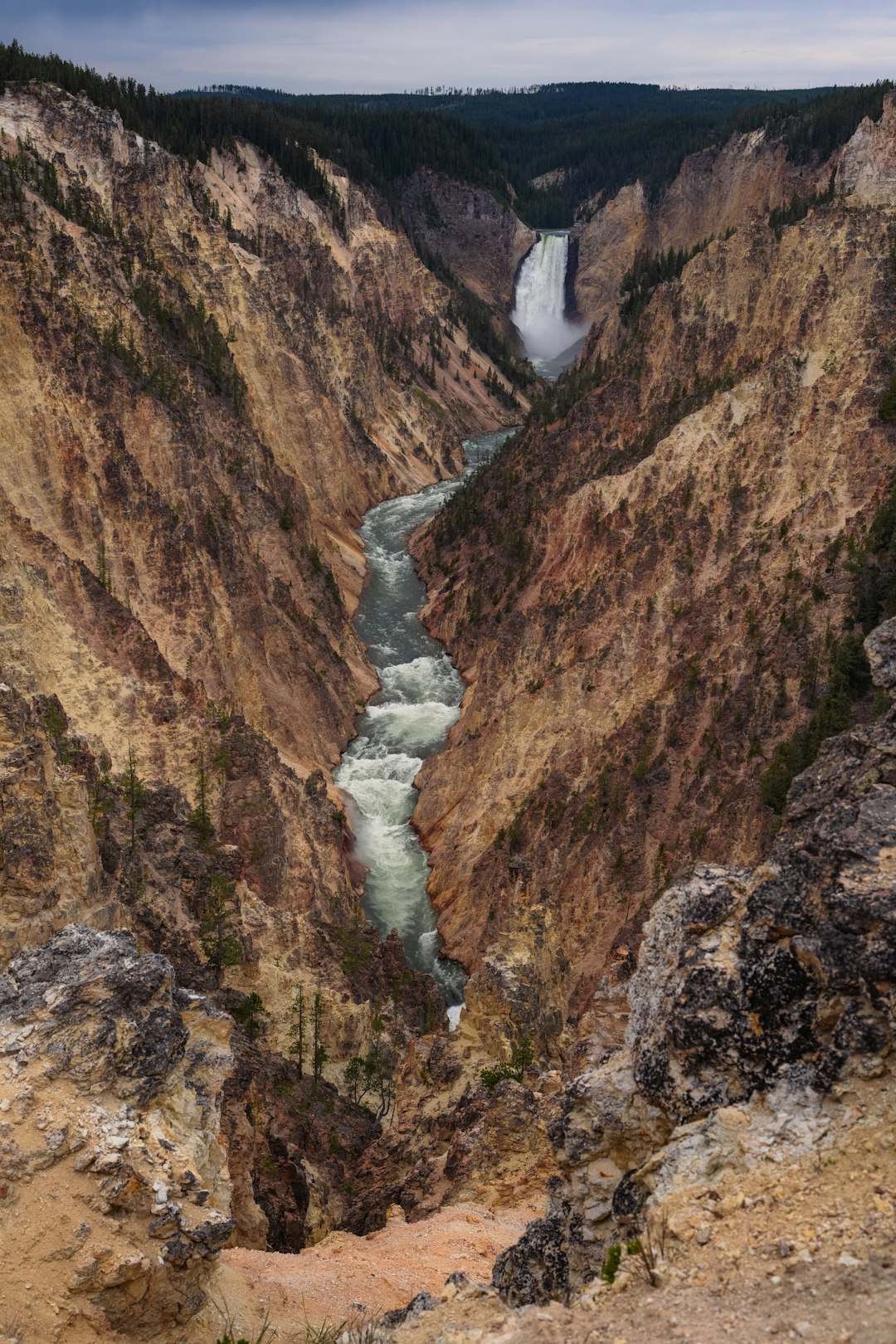
Choose Clear Creek for a short, intense day trip near Denver; choose the Colorado River for longer mileage, warmer water, broader scenery, and easier multi-day planning. Clear Creek is best when your group wants whitewater, quick access, and a tighter schedule. The Colorado River is better when comfort, distance, camping, or mixed skill levels matter more. For scale, the Colorado River runs about 1,450 miles, while Clear Creek is a much smaller Front Range drainage with a very different planning profile [source: Britannica].
TLDR: If you have one day and want rafting close to Denver, Clear Creek is usually the cleaner choice. If you have two to five days, or you are planning for kids, anglers, campers, or mixed fitness levels, the Colorado River gives you more room to work with. For example, a group flying into Denver on Friday could raft Clear Creek near Idaho Springs on Saturday and still make dinner in the city; that same group would need more drive time and lodging planning for many Colorado River sections. A practical rule: pick Clear Creek for adrenaline per hour, and the Colorado River for comfort per mile.
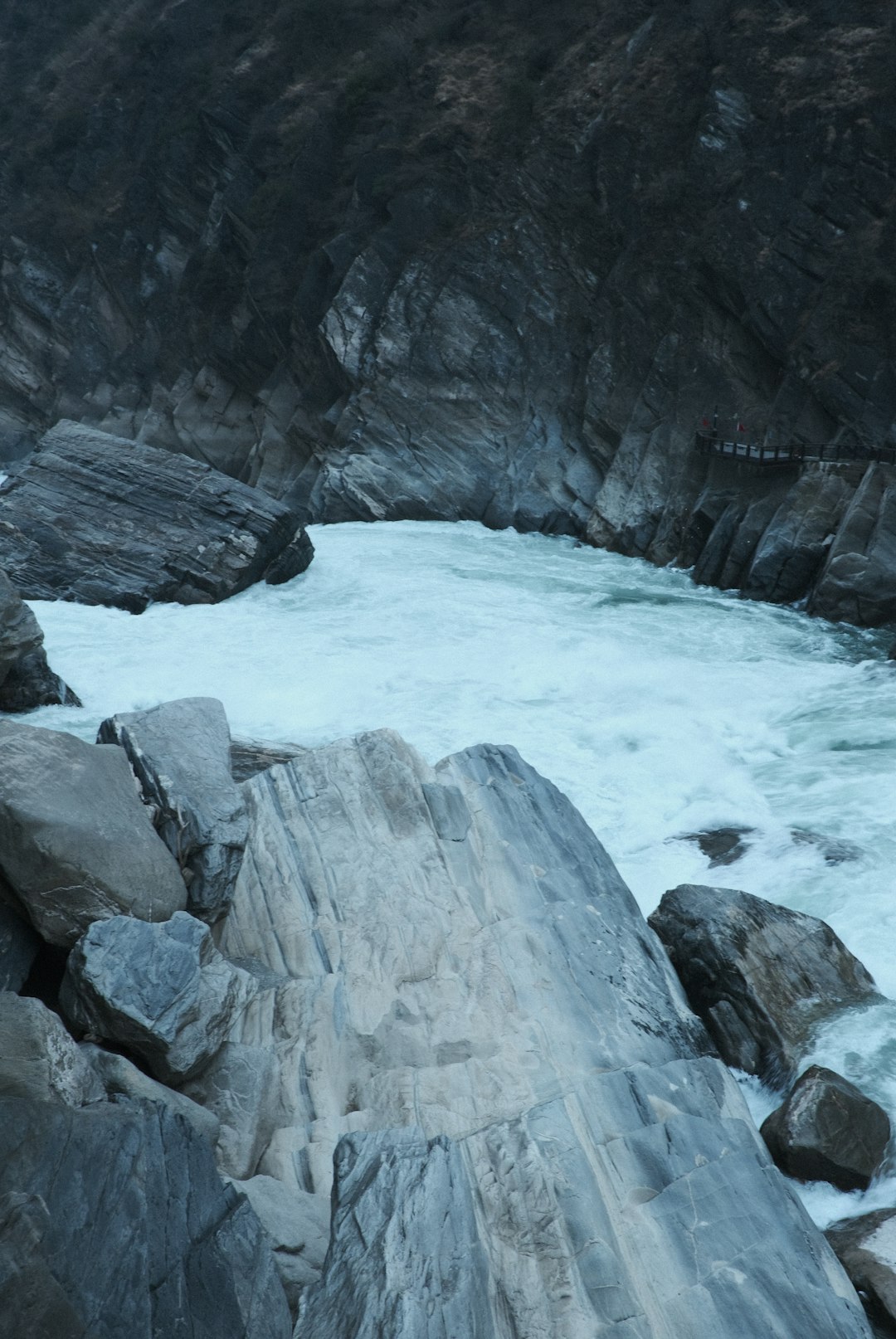
Best choice by activity
- Whitewater rafting: Clear Creek wins for a fast, high-energy trip close to the Front Range.
- Beginner rafting: The Colorado River often wins, especially on calmer Class I and II sections.
- Multi-day trips: The Colorado River is the better fit.
- Fishing: Both can work, but the Colorado River offers more variety and more space.
- Family outings: The Colorado River is usually less stressful.
- Quick hiking and creekside stops: Clear Creek is easier if you are based near Denver, Golden, or Idaho Springs.
Clear Creek: the case for close, steep, and efficient
Clear Creek is the practical answer for people who want a real mountain water day without turning the whole weekend into logistics. It runs through a narrow corridor west of Denver, with common access around Golden, Idaho Springs, and nearby canyon areas. That makes it popular for rafting, kayaking, tubing in lower sections, fishing, climbing access, and short scenic stops.
The main advantage is time efficiency. From central Denver, many Clear Creek put-ins and outfitters are reachable in roughly 30 to 60 minutes, depending on traffic and where you start. That matters. A two-hour activity can still feel like a full outdoor day when the drive is short.
The tradeoff is intensity. Clear Creek drops quickly. Water can be cold, pushy, and technical, especially during spring runoff and early summer. Sections range from beginner-friendly to serious whitewater. That range is useful, but it also means you must match the section to the group. A casual visitor should not assume all “Clear Creek rafting” is the same thing.
Expect tighter spaces, faster decisions, and less margin for error than on many wider river sections. Parking can also be a hassle on busy weekends. Honestly, it feels like some online recreation pages make this sound too easy, then you arrive and spend 18 extra minutes hunting for a legal spot. Build that into your plan.
Colorado River: the case for space, distance, and variety
The Colorado River is not one single trip type. That is the first planning point. A calm float near one town can feel nothing like a remote canyon trip elsewhere. For outdoor recreation in Colorado and nearby states, it can include rafting, paddleboarding, drift boat fishing, riverside camping, scenic driving, hot springs stops, and multi-day guided trips.
The Colorado River is usually better for groups with varied needs. Maybe one person wants to fish, another wants scenery, and someone else is nervous about whitewater. On many Colorado River sections, you can find a middle ground without forcing the whole group into a high-stress run.
It is also better for multi-day structure. You can plan around mileage, camps, shuttle points, permits where required, and nearby towns. That makes it more suitable for birthdays, family trips, bachelor weekends that do not need chaos, and slow travel. The river gives you options. Clear Creek gives you a sharper experience.
Safety and skill level
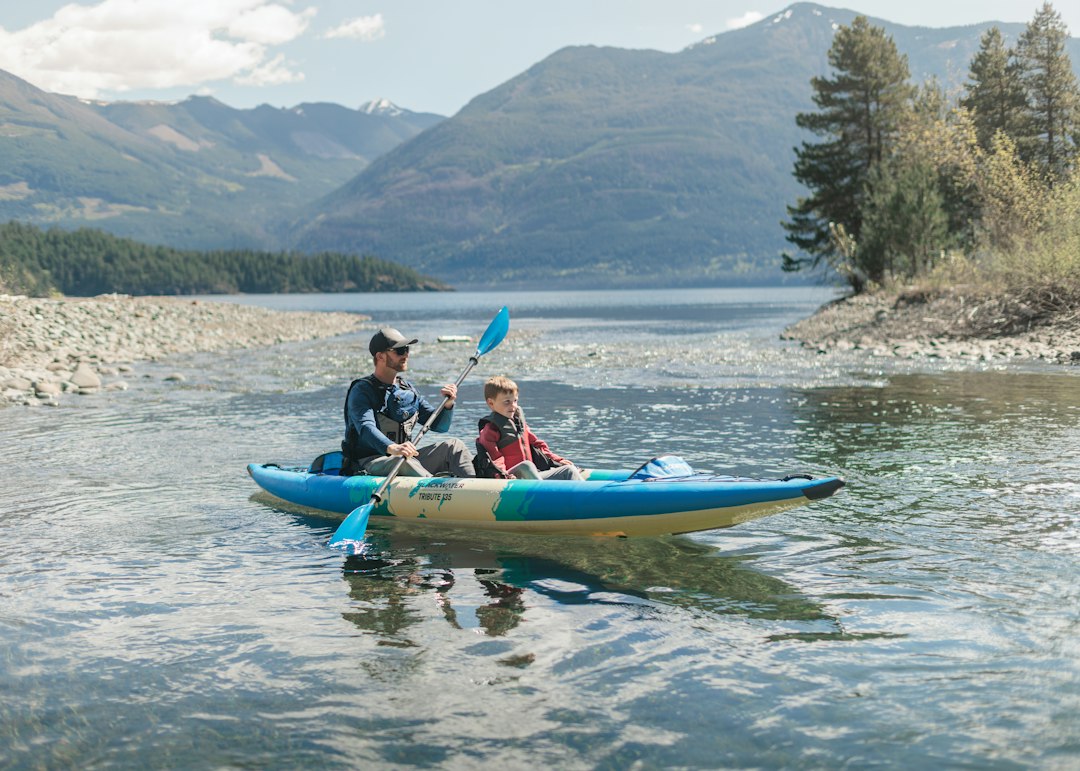
Clear Creek requires more caution than its convenient location suggests. Cold water, rocks, strainers, and fast current can turn a casual outing serious. If you are rafting, use a reputable outfitter. If you are kayaking, know the section and current flow. If you are tubing, stay in designated areas and avoid high water.
The Colorado River can be easier, but it is not automatically safe. Wider water can hide strong currents, long swims, wind exposure, and remote exits. On longer trips, poor planning becomes the main risk. Missed takeouts, late starts, and weak shuttle plans can create real problems.
For both waterways, check flows before you go. Spring runoff changes everything. A section that felt friendly in late August may feel aggressive in June. Wear a properly fitted personal flotation device. Do not treat cold mountain water like a swimming pool.
Seasonal planning
Clear Creek is strongly tied to runoff. Rafting season often peaks from late spring into summer, with conditions changing week by week. Higher water can mean bigger waves and faster trips. Later season flows may be lower and more technical.
The Colorado River has a longer planning window in many areas. Some sections support recreation across more of the warm season. That said, heat, wildfire smoke, low flows, and permit rules can affect plans. In desert and canyon areas, summer heat can be a bigger issue than water temperature.
For serious planning, check official flow gauges and land manager notices before booking. The U.S. Geological Survey publishes streamflow data that can help you compare current conditions against typical levels [source: USGS].
Cost, access, and logistics
Clear Creek can be cheaper for a single day because you may avoid overnight lodging. Fuel costs are lower if you are coming from Denver. Guided rafting trips are common, and half-day formats are easy to find. The downside is crowding. Peak Saturdays can feel compressed, especially near popular access points.
The Colorado River often costs more because trips are longer. You may need lodging, camping gear, shuttle service, permits, or a guided package. Still, the value can be strong. A two-day Colorado River trip may offer more total time outside, more rest stops, and a better pace for mixed groups.
Shuttles are the hidden headache. Clear Creek trips often solve this through outfitters or short vehicle moves. Colorado River trips can require careful coordination. Expect to waste time on shuttle details if you treat them as an afterthought.
Trip planning by group type
- Denver visitors with limited time: Pick Clear Creek. It is the most efficient mountain water option.
- Families with younger kids: Lean Colorado River, especially calmer sections with established outfitters.
- Experienced whitewater paddlers: Clear Creek can offer technical, exciting runs when flows are right.
- Anglers: Compare access, water temperature, and crowd levels. The Colorado River usually offers more room.
- Campers: Choose the Colorado River. It supports better overnight planning.
- First-time rafters: Either can work, but choose the specific section carefully. Do not book by river name alone.
How to decide in five minutes
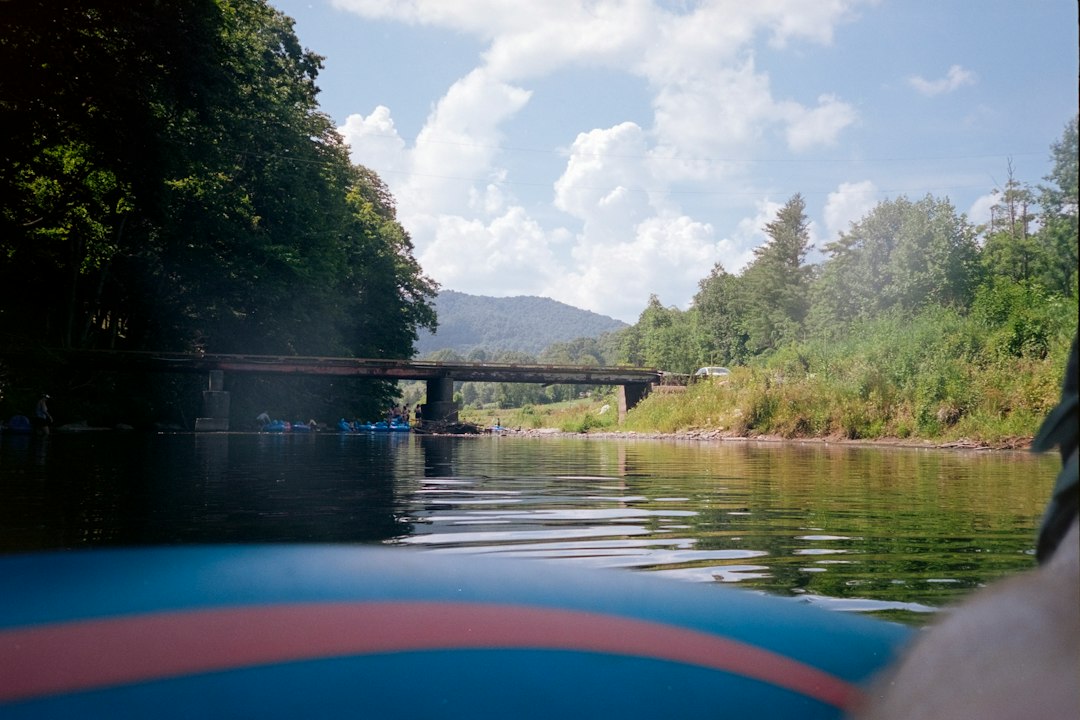
Ask five direct questions.
- How much time do we have? Less than one full day points to Clear Creek.
- How nervous is the least confident person? If very nervous, lean toward an easier Colorado River section.
- Do we want whitewater or scenery first? Whitewater points to Clear Creek. Scenery and pace point to the Colorado River.
- Are we camping? If yes, the Colorado River is usually the better base plan.
- Are current flows appropriate? If not, switch sections or switch rivers.
Final recommendation
For most short outdoor recreation plans near Denver, Clear Creek is the smarter pick. It is close, exciting, and easy to fit into a tight schedule. But it is not the best all-purpose river. Its speed and narrow canyon feel can be too much for cautious beginners or families who want a relaxed day.
For broader recreation planning, the Colorado River is the safer default. It offers more trip styles, more mileage, more camping potential, and more flexibility for mixed groups. Choose Clear Creek when your goal is a compact burst of mountain whitewater. Choose the Colorado River when the goal is a fuller outdoor trip with room to slow down.