
A smartphone is not a magic survival tool, and it should never replace a map, compass, first aid training, warm clothing, water, and common sense. But when prepared properly, your phone can become a compact survival kit: navigator, weather station, emergency beacon, medical reference, flashlight, field guide, and communication device. The best survival phone apps are the ones that work offline, save battery, provide clear information under stress, and solve real problems when conditions get rough.
TLDR: The best survival phone apps include offline maps, weather alerts, first aid guides, emergency communication tools, and practical wilderness references. Download them before you need them, test them offline, and keep your phone protected with a power bank and waterproof case. Apps like Gaia GPS, Google Maps offline, FEMA, First Aid by American Red Cross, and SAS Survival Guide are among the most useful. Your phone is valuable, but it should support—not replace—basic survival skills.
What Makes a Phone App Useful for Survival?
A good survival app must do more than look impressive in an app store. In a true emergency, cell service may be weak or gone, your hands may be cold, and your battery may be low. That means the best apps share a few key traits:
- Offline access: maps, instructions, and saved data should work without signal.
- Simple interface: information must be easy to find quickly.
- Low battery demand: avoid apps that require constant location tracking unless necessary.
- Reliable data: medical and weather information should come from trusted sources.
- Practical value: the app should help with navigation, communication, first aid, shelter, water, or weather.
The smartest approach is to build a small “survival folder” on your phone. Include navigation, weather, first aid, emergency alerts, and reference apps. Then test each one in airplane mode so you know what works without internet.

1. Gaia GPS: Best Overall Wilderness Navigation App
Gaia GPS is one of the strongest navigation apps for hikers, hunters, overlanders, and anyone who spends time away from paved roads. Its biggest advantage is the ability to download detailed topographic maps before a trip. You can track your route, mark campsites, identify elevation changes, and create waypoints for water sources, trail junctions, or emergency exits.
For survival use, Gaia is especially valuable because it helps prevent one of the most common outdoor emergencies: getting lost. The premium version unlocks additional map layers, including public land boundaries, satellite imagery, and weather overlays. Even the free version can be useful, but serious backcountry users will benefit from offline map downloads.
2. Google Maps Offline: Best Simple Backup Map
Google Maps is not a wilderness survival app, but its offline feature is extremely useful for road trips, evacuations, and travel through unfamiliar towns. Before a trip, download the area you’ll be visiting. If the signal disappears, you can still search saved areas, view roads, and navigate by GPS.
This is especially helpful during natural disasters when mobile networks are overloaded. Google Maps is better for streets and highways than trails, so pair it with a true outdoor navigation app if you are hiking or camping. Think of it as your evacuation and road navigation backup.
3. First Aid by American Red Cross: Best Emergency Medical App
Injuries can escalate quickly when help is far away. The First Aid by American Red Cross app provides step-by-step guidance for burns, bleeding, allergic reactions, heat illness, fractures, choking, and other emergencies. The information is organized clearly, which matters when you are under pressure.
One of its best features is that much of the content is available offline after installation. It also includes quizzes and preparation tips, making it useful before an emergency, not just during one. Of course, an app is not a substitute for real first aid training, but it can help you remember the correct steps when adrenaline makes thinking difficult.
4. FEMA App: Best Disaster Preparedness Tool
The FEMA app is designed for large-scale emergencies such as hurricanes, floods, wildfires, winter storms, and earthquakes. It can send weather alerts, show open shelters, and guide users through emergency plans. For families, it is a smart app to install on every phone before storm season or wildfire season begins.
The app is particularly useful because it connects everyday preparedness with real-time emergency response. You can create emergency checklists, learn what to do before and after disasters, and receive official updates. If you live in an area prone to severe weather, FEMA deserves a spot on your home screen.
5. NOAA Weather and Radar Apps: Best for Weather Awareness
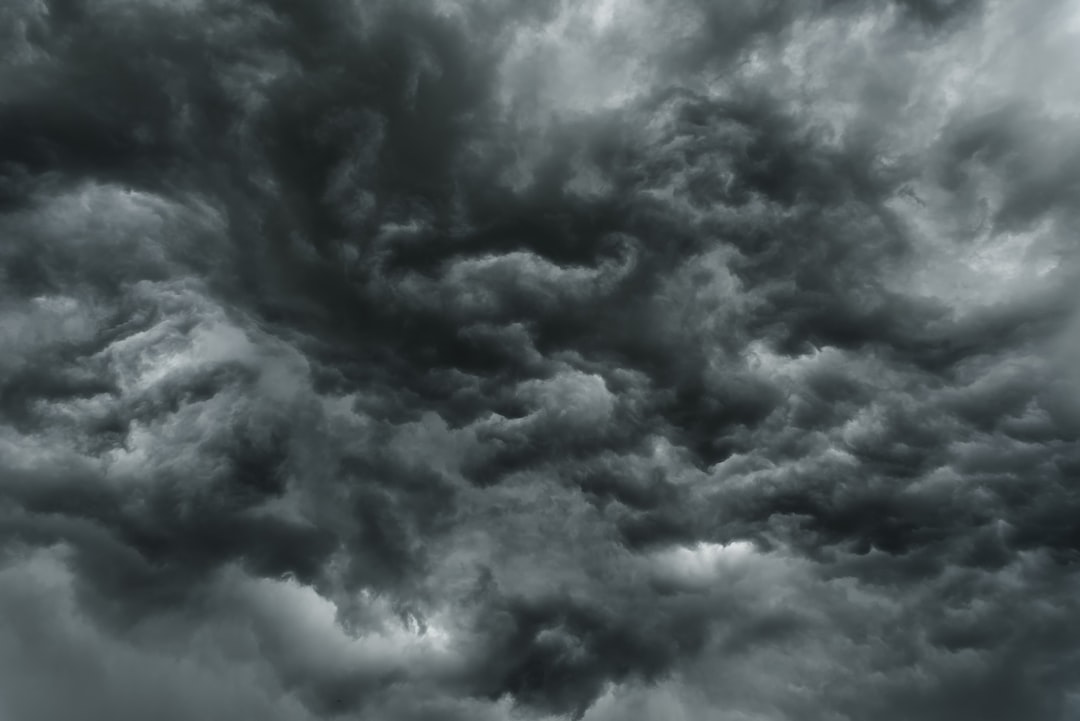
Weather is one of the most important survival factors. A beautiful morning can turn into lightning, flash flooding, extreme heat, or whiteout conditions. Apps that use NOAA data, such as NOAA Weather Radar-style apps, can provide forecasts, radar maps, and severe weather alerts.
For outdoor survival, weather apps help you make early decisions: turn back before a storm, avoid exposed ridgelines, delay river crossings, or prepare shelter before temperatures drop. Choose an app that offers alerts for your location and allows you to check radar quickly. Just remember that radar and live alerts usually require data service, so gather forecasts before heading into remote areas.
6. SAS Survival Guide: Best Pocket Reference
SAS Survival Guide, based on the well-known survival manual by John “Lofty” Wiseman, is a practical reference for wilderness and emergency situations. It covers shelter, fire, water purification, navigation, knots, signaling, food, and survival psychology. The app version is useful because it places a large amount of information in a searchable format.
This is not the kind of app you want to open for the first time while shivering in the rain. Read it in advance, practice the skills, and treat it as a refresher. Survival knowledge is most valuable when it is already in your head, but a digital guide can remind you of techniques you have practiced before.
7. Zello: Best Push-to-Talk Communication App
Zello turns your phone into a walkie-talkie-style communication tool. It became popular during hurricanes and community emergencies because groups can use channels to coordinate quickly. Families, hiking groups, neighborhood watch teams, and volunteer responders may find it very useful.
There is an important limitation: Zello generally needs internet access through Wi-Fi or mobile data. It is not a replacement for a satellite messenger, ham radio, or personal locator beacon. However, when networks are working, it can be faster and more organized than texting everyone separately.
8. what3words: Useful, But Understand Its Limits
what3words divides the world into small squares and assigns each square a unique three-word address. In theory, this makes it simple to explain your location to rescuers. Some emergency services use it, and many travelers find it convenient.
However, it should not be your only location tool. Similar-sounding words, language confusion, or transcription errors can cause problems. If you use it, also provide GPS coordinates, nearby landmarks, trail names, and any other location information available. It is best viewed as an extra communication aid, not a complete rescue solution.
9. Plant and Mushroom Identification Apps: Helpful, But Risky
Apps like iNaturalist, Seek, and PlantNet can help identify plants, tracks, insects, and fungi. They are excellent for learning about nature and building awareness of your environment. In survival situations, though, identification apps should be used with extreme caution.
Never eat a wild plant or mushroom based only on an app suggestion. Misidentification can be deadly. These apps are best used for education before a trip, not as permission to forage in an emergency. If you want to rely on wild edibles, learn from expert instructors and use regional field guides.

How to Prepare Your Phone Before an Emergency
Even the best survival apps are useless if your phone dies, breaks, or lacks downloaded data. Prepare your device as carefully as you prepare your backpack.
- Download offline maps for your destination and surrounding areas.
- Charge fully before leaving and carry a power bank.
- Use airplane mode to save battery when signal is poor.
- Protect the phone with a rugged case and waterproof pouch.
- Save emergency contacts and important medical information.
- Test every app offline before relying on it.
- Carry paper backup maps, notes, and important phone numbers.
Final Thoughts
The best survival phone apps are not necessarily the flashiest ones. They are the apps that help you navigate, stay informed, treat injuries, communicate clearly, and make better decisions when stress is high. A well-prepared phone can be a powerful survival companion, especially when paired with training, planning, and durable backup gear.
Install the apps before you need them, learn how they work, and keep your expectations realistic. In the wild or during a disaster, your phone may be one of your most useful tools—but your judgment, preparation, and practical skills will always matter most.