TP-Link Tapo is the safest pick for most connected homes, while Govee suits lighting-heavy rooms and Gosund works best for cheap, basic control. A smart plug should turn old lamps, fans, humidifiers, coffee makers, and holiday lights into app-controlled gear without drama. Matter support is also becoming a real buying factor because it helps devices work across Apple Home, Google Home, Alexa, and SmartThings [source: Connectivity Standards Alliance].
TLDR: For most buyers, the TP-Link Tapo P125M is the best all-round smart plug because it supports Matter and works well for mixed smart homes. Govee is better when the home already uses Govee lights, sensors, or app scenes. Gosund is the budget choice, but setup can feel rougher. In a small apartment with 6 plug-in devices, timers for lamps, fans, and a coffee station can remove 10 to 15 manual switch flips per day.

Quick comparison: Gosund vs Govee vs TP-Link Tapo
Gosund usually wins on price. Its plugs are simple. They handle lamps, small fans, and basic schedules well. The downside is polish. The app can feel a little clunky, and voice assistant pairing may take an extra retry. Honestly, it feels like setup sometimes adds 30 more seconds for no good reason.
Govee is the better fit for users already inside the Govee app. Its smart plugs pair nicely with Govee light strips, bulbs, thermometers, and scenes. That matters for rooms where lights, mood settings, and appliance control should act together.
TP-Link Tapo feels more mature. The app is clean, schedules are easy, and the Matter models give it a longer shelf life. Tapo also offers strong energy-monitoring options, which helps when someone wants to know what a space heater, dehumidifier, or gaming setup actually costs to run.
6 smart plugs worth comparing
-
1. TP-Link Tapo P125M Mini Smart Wi-Fi Plug
This is the best pick for mixed-platform homes. It supports Matter, which makes it easier to use with major smart home systems. It is compact, so it usually will not block the second outlet. It suits lamps, fans, routers, and seasonal lights. -
2. TP-Link Tapo P110M or P115 Energy Monitoring Plug
This is the plug for people who want numbers, not guesses. Energy tracking shows how much power a device uses over time. That makes it useful for freezers, office gear, heaters, and anything that may quietly raise the power bill. -
3. Govee Smart Plug H5080
The H5080 is a strong indoor plug for basic remote control. It works well with schedules and voice assistants. It makes the most sense when the room already has Govee lighting. A lamp can turn on with a light strip scene, which feels neat without much effort. -
4. Govee Outdoor Smart Plug
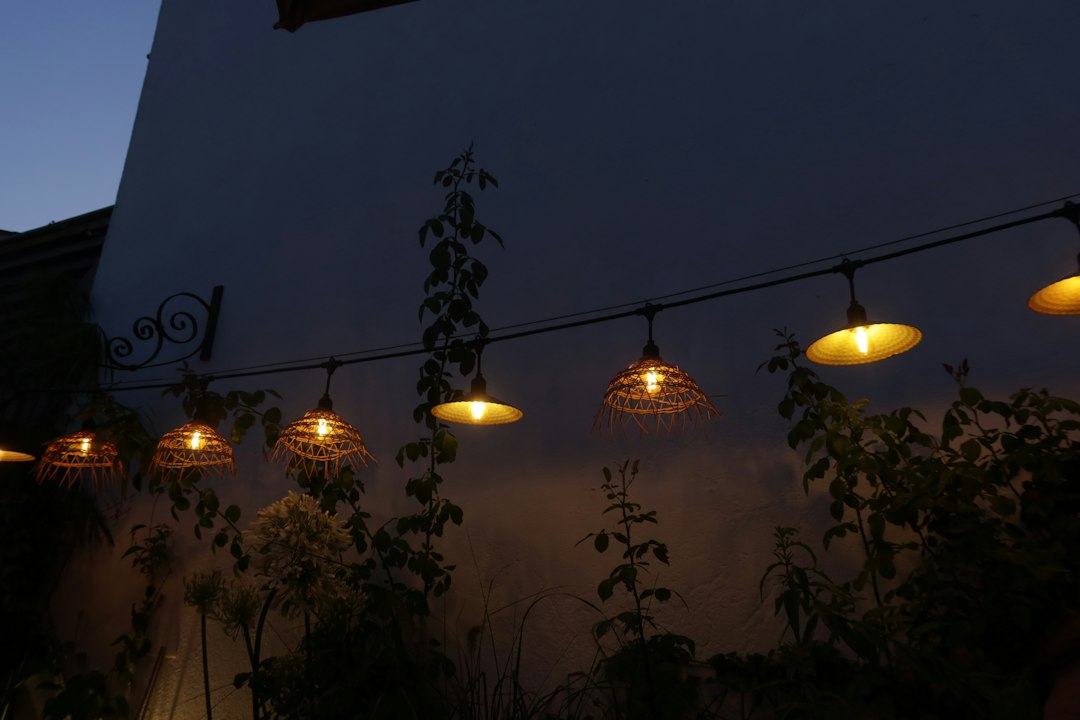
This plug is made for patios, balconies, garden lights, and holiday displays. Outdoor ratings vary by model, so buyers should check the listing before using it in exposed areas. The big value is control from inside the house. No one wants to walk outside in cold rain just to unplug string lights. -
5. Gosund Mini Smart Plug
Gosund’s mini plugs are cheap and practical. They are good for renters, students, and first-time smart home users. Timers, away mode, and voice control cover the basics. The catch is the app experience. It works, but it rarely feels as smooth as Tapo. -
6. Gosund Outdoor Smart Plug
This is a low-cost way to control outdoor lights, pumps, or decorations. It is best for simple schedules, such as turning garden lights on at sunset and off at midnight. Buyers should check amperage limits before connecting high-load gear.
Best choice by use case
- Best for Apple Home or mixed systems: TP-Link Tapo P125M.
- Best for tracking power use: TP-Link Tapo energy-monitoring models.
- Best for Govee lighting fans: Govee H5080 or Govee outdoor plug.
- Best budget indoor plug: Gosund Mini Smart Plug.
- Best cheap outdoor control: Gosund Outdoor Smart Plug.
Remote control sounds simple, but it gets addictive fast. A user may start with one lamp. A week later, the coffee maker, desk fan, fish tank light, and bedroom humidifier all have schedules. That is the whole point. Smart plugs make boring devices act smarter.
What buyers should check before ordering
Size matters. Some smart plugs block the second outlet. Mini models are better for tight wall plates and power strips.
Load rating matters more. Lamps are easy. Space heaters, air conditioners, and power tools are not. If the device pulls a lot of current, the plug rating must match. Guessing here is a bad idea.
Wi-Fi band matters too. Many plugs use 2.4 GHz Wi-Fi only. That is normal, but setup can be annoying if a router blends 2.4 GHz and 5 GHz under one name.
Energy monitoring is worth paying for when the device runs many hours per day. For a lamp used one hour nightly, it barely matters. For a dehumidifier running 8 hours a day, it can be very useful.
Verdict
TP-Link Tapo wins for most homes because its app feels cleaner, its Matter options are stronger, and its energy-monitoring plugs add real utility. Govee is the fun pick for lighting scenes and app-based room control. Gosund is the value pick for basic automation, especially when price beats polish.
FAQ
Which is better, Gosund, Govee, or TP-Link Tapo?
TP-Link Tapo is better for most users. It has stronger app polish and better Matter options. Govee is best for users already using Govee lights. Gosund is best for low-cost basics.
Do smart plugs work when away from home?
Yes. Most Wi-Fi smart plugs support remote control through their app. The plug and router must stay powered and connected to the internet.
Can a smart plug control a coffee maker?
Yes, but only if the coffee maker has a physical on/off switch. If it needs a button press after power returns, a smart plug cannot start brewing by itself.
Are smart plugs safe for heaters?
Only if the plug is rated for the heater’s power draw. Many safety experts recommend avoiding smart plugs with high-heat appliances unless the manufacturer clearly allows it.
Is Matter support worth it?
Yes, especially for homes using more than one platform. Matter can reduce app lock-in and make future upgrades easier.