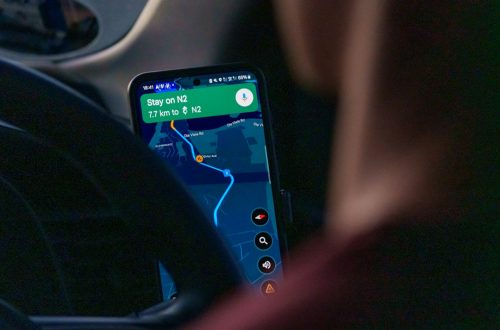
Use Google Maps first when you are already in a city, and use TripAdvisor first when you are still planning the trip. Google Maps is faster for “What is near me right now?” TripAdvisor is better for “Which attractions are worth building a day around?” Google says Maps has more than 2 billion monthly users, so its local signals are huge [source: Google].
TLDR
Google Maps wins for speed, directions, opening hours, and nearby finds. TripAdvisor wins for ranked tourist lists, travel planning, and attraction research. For example, if you have 3 hours in Paris, Google Maps can show you nearby sights within a 15-minute walk. If you have 3 days in Paris, TripAdvisor helps you compare big hitters like the Louvre, Eiffel Tower, and Montmartre using longer tourist reviews.
The simple answer
If you want the most popular tourist attractions, do not pick only one tool. Use both. They solve different problems.
- TripAdvisor is like a travel magazine with user reviews.
- Google Maps is like a live local guide in your pocket.
TripAdvisor is great before the trip. It gives you neat lists. It sorts attractions by city. It shows tours, tickets, photos, and long reviews from travelers.
Google Maps is great during the trip. It shows what is close. It shows if a place is open. It gives walking, driving, or transit routes. It also tells you if the place is busy right now.
When TripAdvisor is better
TripAdvisor shines when you want to plan like a tourist. That sounds obvious, but it matters.
Search “things to do in Rome,” and TripAdvisor gives you a clean pile of options. You see museums, ruins, food tours, churches, day trips, and local classes. It feels built for vacation brains.
TripAdvisor is strong for:
- Ranked attraction lists, such as “Top 10 things to do.”
- Long traveler reviews with tips and warnings.
- Tour and ticket ideas in one place.
- Day trip inspiration outside the city center.
- Traveler photos that feel less polished than brochure shots.
This is useful when you are choosing between big attractions. Maybe you only have one museum slot. You can compare review tone, wait times, and traveler tips. One review may say, “Go at 8:30 a.m.” Another may say, “Skip the audio guide.” That can save your afternoon.
Honestly, it feels like TripAdvisor is best when you still have a couch, a laptop, and snacks. It is slower on the street. Popups, ads, and booking prompts can get annoying. Sometimes you just want the address. Instead, you get five buttons asking you to book something.
When Google Maps is better
Google Maps wins when your feet hurt and your phone battery is at 19%.
You open the app. You search “castle,” “viewpoint,” “museum,” or “free attraction.” You get pins. You get distance. You get hours. You get directions. Done.
Google Maps is strong for:
- Finding attractions near you right now.
- Checking opening hours before you walk there.
- Reading recent reviews from locals and tourists.
- Seeing busy times for popular places.
- Saving spots into lists for later.
- Getting public transport routes without extra apps.
This makes Google Maps the better tool for real-time travel. Say you leave a museum early. You have 90 minutes free. Google Maps can show a famous square, a pastry shop, and a viewpoint within walking distance. That is hard to beat.
But it has flaws. Review quality can be weird. A world-class cathedral may get one star because the toilet line was long. A tiny statue may get five stars because someone met a nice pigeon there. It drives me crazy that some duplicate pins also hang around for ages. One attraction can appear twice, with different hours and reviews.

Popularity is not the same thing on both apps
This is the key point. “Popular” means different things.
On TripAdvisor, popular often means tourists liked it enough to review it. The platform pushes classic travel spots. That can be very helpful. It can also make famous places even more famous.
On Google Maps, popular often means lots of people search, visit, rate, or interact with the listing. It is more local and more immediate. A bakery may look as “hot” as a museum if enough people visit it.
So ask yourself one question:
- Do I want famous tourist attractions? Start with TripAdvisor.
- Do I want great places near me? Start with Google Maps.
Best use case: planning before the trip
TripAdvisor is the better starting point here.
Let’s say you are planning 4 days in Tokyo. You need structure. TripAdvisor helps you spot major attractions fast. You may find temples, towers, parks, markets, food tours, and anime districts in one search session.
Use it like this:
- Search your destination.
- Open the “Things to Do” section.
- Save 10 to 15 attractions that sound fun.
- Read the bad reviews first.
- Cut anything that feels too crowded, too far, or too pricey.
Bad reviews are gold. Not angry nonsense. Real patterns. If 20 people say the same place has long lines, believe them. If several people say the view is better at sunset, save that tip.
Best use case: exploring during the trip
Google Maps is the better tool here.
Let’s say you are in Barcelona. You just finished lunch. You search “attractions near me.” Google Maps shows nearby buildings, plazas, museums, parks, and viewpoints. You can sort by rating. You can tap photos. You can check if the walk is 6 minutes or 26 minutes.
Use it like this:
- Search a broad term, like “landmark” or “museum.”
- Zoom into the area you actually want to visit.
- Check places rated 4.3+ with lots of reviews.
- Read the newest reviews.
- Check hours before moving.
That last step matters. Expect to waste time on at least one attraction per trip if you trust old hours. Google is usually better at this than travel blogs or old list posts.
Which has better reviews?
TripAdvisor reviews are often more travel-focused. People write about ticket lines, guided tours, bathrooms, scams, crowds, and whether kids enjoyed it. That is useful.
Google reviews are much faster to scan. They are shorter. They are also more current. This helps if a site is under repair, closed early, or packed due to an event.
The best trick is simple. Use TripAdvisor for depth. Use Google Maps for freshness.
Which is better for hidden gems?
Google Maps usually wins.
TripAdvisor is better at famous places. Google Maps is better at odd little finds. Small gardens. Tiny museums. Cool bridges. Street art. Local markets. Quiet viewpoints.
Image not found in postmetaTry searching Google Maps for words like:
- viewpoint
- historic site
- garden
- market
- free museum
- scenic spot
Zoom in and move the map. This is where the fun starts. You may find a tiny place with 312 reviews and a 4.8 rating. That can be better than another packed “must-see” with a two-hour line.
So, which one should you use?
Use TripAdvisor when you are building the plan. Use Google Maps when you are living the plan.
Here is the easiest workflow:
- Start with TripAdvisor. Build a shortlist of famous attractions.
- Check each place on Google Maps. Confirm hours, location, and recent reviews.
- Save everything in Google Maps. Make a list for each city.
- During the day, follow the map. Adjust based on distance and energy.
- Use TripAdvisor again at night. Plan tomorrow with better context.
This combo works because travel is messy. Rain happens. Lines happen. Feet hurt. Lunch takes too long. A perfect itinerary turns silly by 2 p.m.
Final pick? If you force one winner, pick Google Maps. It is more useful minute by minute. But for finding the classic tourist attractions before you go, TripAdvisor still earns its place. The smart move is not choosing sides. The smart move is making them fight for your vacation, so you get the best bits from both.