For most company websites, Semrush is the better first choice for evaluating online visibility, while Ahrefs is stronger for backlink depth and organic search research. A business that wants one platform to check rankings, traffic trends, competitors, local SEO, paid search, and content gaps will usually get more from Semrush. Ahrefs suits teams that care most about link authority, keyword difficulty, and the strength of competing pages.
TLDR: Semrush gives a broader view of website visibility, especially when a company needs SEO, PPC, local listings, and competitor tracking in one place. Ahrefs is often sharper for backlink review and content-driven SEO decisions. For example, a consulting firm tracking 250 keywords may find that Semrush shows a 14% visibility gain after technical fixes, while Ahrefs helps explain that 8 new referring domains supported the ranking lift. The best choice depends on whether the company needs a full visibility audit or deeper link analysis.
What Website Visibility Really Means
Website visibility is not just about ranking number one for one keyword. It covers how often a company appears in search results, how strong its pages are, how much traffic competitors receive, and whether the brand is visible across organic, paid, and local search.
An online presence evaluation should answer simple questions:
- Which keywords bring traffic?
- Which pages attract visitors?
- Which competitors are winning search demand?
- Are technical SEO errors holding the site back?
- Is backlink authority growing or fading?
Both Semrush and Ahrefs answer these questions, but they do it with different strengths. Honestly, it feels like Semrush was built for marketing managers who need reports by Monday, while Ahrefs was built for SEO specialists who want to inspect why one page outranks another.

Semrush for Company Website Evaluation
Semrush is the more complete visibility assessment platform. It gives companies a wide view of search performance, paid ads, competitor activity, local rankings, content quality, and technical SEO.
Its Domain Overview report is useful for a fast health check. A company can enter its domain and see estimated organic traffic, ranking keywords, authority score, backlink count, paid search data, and closest organic competitors. This makes it practical for executives, agencies, and marketing teams that need a clean summary.
The Position Tracking tool is one of Semrush’s biggest advantages. It lets a company monitor selected keywords by country, city, device, and search feature. For a local service business, this matters. A dental clinic in Austin may rank third on desktop but ninth on mobile. That gap changes lead volume.
Semrush also shines in site audits. It flags broken links, crawl errors, redirect chains, duplicate tags, thin pages, slow-loading assets, and HTTPS issues. Some alerts can feel noisy. Expect to waste time filtering low-impact warnings from real problems. Still, the audit system is clear and useful for non-technical teams.
Ahrefs for Website Visibility Evaluation
Ahrefs is strongest when visibility depends on organic search and backlinks. Its backlink index is widely respected, and its reports make it easy to see why competitors have stronger authority.
The Site Explorer report shows organic traffic estimates, ranking keywords, backlinks, referring domains, top pages, anchors, and competing domains. Its interface is direct. SEO teams can move from a traffic drop to page-level ranking changes quickly.
Ahrefs also provides strong keyword data. Its Keywords Explorer shows keyword difficulty, click potential, search volume, parent topics, and SERP details. That last part matters. A keyword with 3,000 searches per month may look attractive, but if ads, maps, videos, and shopping results fill the page, organic clicks may be lower than expected.
Its Content Gap report is useful for finding missed opportunities. A company can compare its domain with three competitors and see keywords they rank for but the company does not. This is simple, practical, and often painful. It drives some teams crazy that a competitor’s thin 600-word page ranks for terms their polished service page missed.

Semrush vs Ahrefs: Key Differences
| Category | Semrush | Ahrefs |
|---|---|---|
| Best Use | Full online visibility review | Organic SEO and backlink research |
| Competitor Tracking | Strong across SEO, PPC, and content | Strong for organic search competitors |
| Backlink Data | Good and easy to report | Very strong and detailed |
| Local SEO | Better support for local tracking | More limited |
| Reporting | Cleaner for clients and managers | Better for SEO specialists |
When Semrush Is the Better Pick
Semrush fits companies that need a broad picture of online presence. It is especially useful for marketing departments, agencies, franchises, SaaS firms, and service businesses running both SEO and paid search campaigns.
It is the better choice when a company needs to:
- Track visibility across hundreds of target keywords
- Compare SEO and PPC competitors
- Audit technical SEO issues
- Monitor local rankings by city or device
- Create regular management reports
- Study content performance and topic gaps
A mid-sized B2B company, for instance, could use Semrush to track 500 keywords across the United States, monitor three direct competitors, and produce a monthly visibility score. If branded search grows by 22% and non-branded traffic rises by 11%, the team can connect visibility work to demand growth.
When Ahrefs Is the Better Pick
Ahrefs is better when a company’s main concern is organic search authority. It helps teams understand which pages earn links, which competitors have stronger domains, and which keyword targets are realistic.
It is the better choice when a company needs to:
- Review backlink quality in detail
- Find link gaps against competitors
- Analyze ranking pages at SERP level
- Plan blog and resource content
- Track organic traffic changes by page
- Find broken link-building opportunities
For a content-heavy software company, Ahrefs may reveal that three competitor articles attract 40% of their estimated organic traffic. That insight can guide new content, page updates, and outreach.
Which Tool Gives Better Visibility Accuracy?
No third-party SEO tool gives perfect traffic data. Both platforms estimate traffic based on keyword rankings, search volume, and click models. The numbers should be treated as directional, not exact.
Semrush often feels better for visibility reporting because it pulls more marketing channels into one view. Ahrefs often feels better for ranking evidence because its page, keyword, and backlink data are tightly connected.
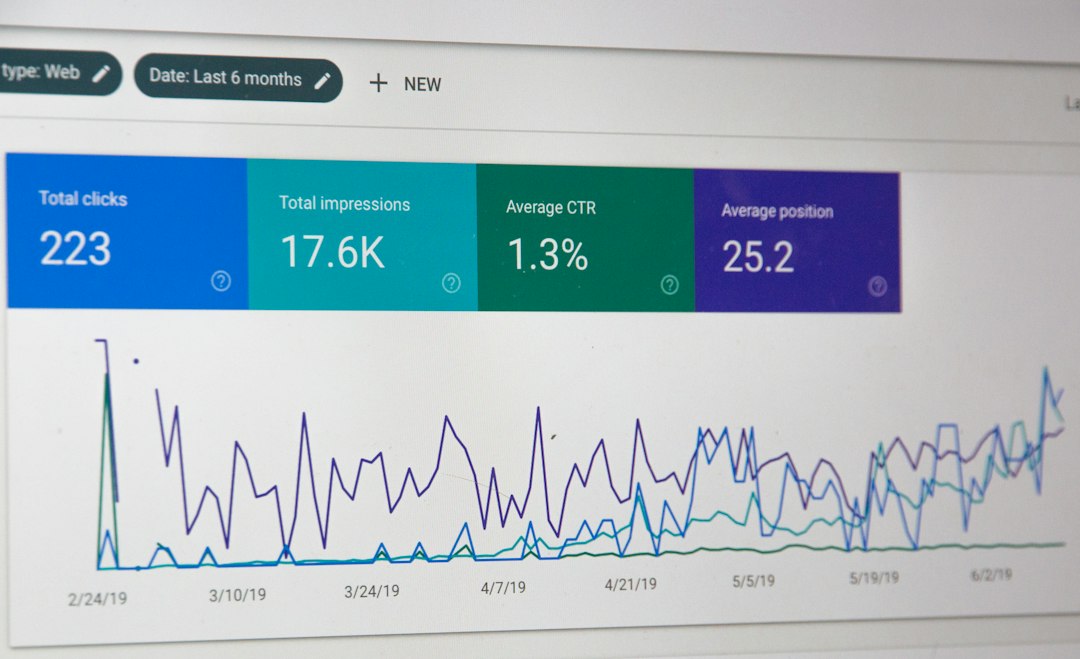
The best evaluation setup combines one of these tools with Google Search Console and analytics data. Search Console shows real impressions and clicks. Semrush or Ahrefs explains competitive context. Together, they show what changed and why.
Final Recommendation
Semrush is the stronger choice for a complete online presence evaluation of a company website. It covers more channels, offers stronger reporting, and supports broader visibility tracking. That makes it ideal for leadership updates, agency work, and monthly performance reviews.
Ahrefs is the better choice for deep SEO research. It is especially strong when backlinks, content gaps, and organic ranking battles are the main concern. Many serious SEO teams use both, but if only one subscription is possible, Semrush is usually the safer all-around pick for evaluating website visibility.
FAQ
Is Semrush better than Ahrefs for website visibility?
Semrush is usually better for full website visibility because it includes SEO, PPC, local tracking, site audits, and competitor reports in one platform.
Is Ahrefs more accurate than Semrush?
Ahrefs is often favored for backlink analysis and organic SEO research. Accuracy varies by market, keyword set, and site size. Neither tool should replace first-party analytics data.
Can a company use both Semrush and Ahrefs?
Yes. Many companies use Semrush for reporting and visibility tracking, then use Ahrefs for backlink checks and content research.
Which tool is better for competitor analysis?
Semrush is better for broad competitor analysis across SEO and paid search. Ahrefs is better for comparing organic pages, links, and keyword gaps.
Which tool should a small business choose?
A small business that needs one tool should usually choose Semrush. It gives more general visibility data and easier reports for business decisions.