Pick Brandwatch if you need deep research and custom dashboards. Pick Talkwalker if you want wide mention coverage, quick reports, and strong visual listening.
TLDR: Brandwatch is great for teams that want to study brand mentions like detectives with fancy coffee. Talkwalker is better for teams that want fast alerts across social, news, blogs, forums, podcasts, and images. For example, a retail brand tracking 50,000 monthly mentions might use Brandwatch to split sentiment by product line, while Talkwalker can flag a sudden 38% spike in negative mentions after a bad TikTok review. Both are strong, but they feel built for slightly different kinds of chaos.
Brand monitoring, without the headache
Brand monitoring tools track what people say about your brand online. Simple idea. Messy reality.
People mention brands in tweets, posts, videos, Reddit threads, news stories, review sites, and random comments under cat videos. Some spell your name wrong. Some use sarcasm. Some tag your competitor by mistake. Lovely.
That is why tools like Brandwatch and Talkwalker exist. They collect mentions. They sort them. They help you spot praise, rage, jokes, rumors, and trends before they hit you in the face.
Quick match: who should use what?
- Choose Brandwatch if you need rich audience research, custom queries, and deep analysis.
- Choose Talkwalker if you need broad coverage, fast alerts, and strong image or video mention tracking.
- Choose Brandwatch if your analysts love building complex dashboards.
- Choose Talkwalker if your PR team wants quick answers before lunch.
- Choose either if you are tired of finding a crisis three hours after everyone else.
What Brandwatch does well
Brandwatch is built for serious social listening and consumer research. It shines when you need to understand not just what people said, but why they said it.
You can track keywords, branded terms, product names, campaign hashtags, competitor names, and topics. You can then slice the data by sentiment, location, time, source, audience traits, and more.
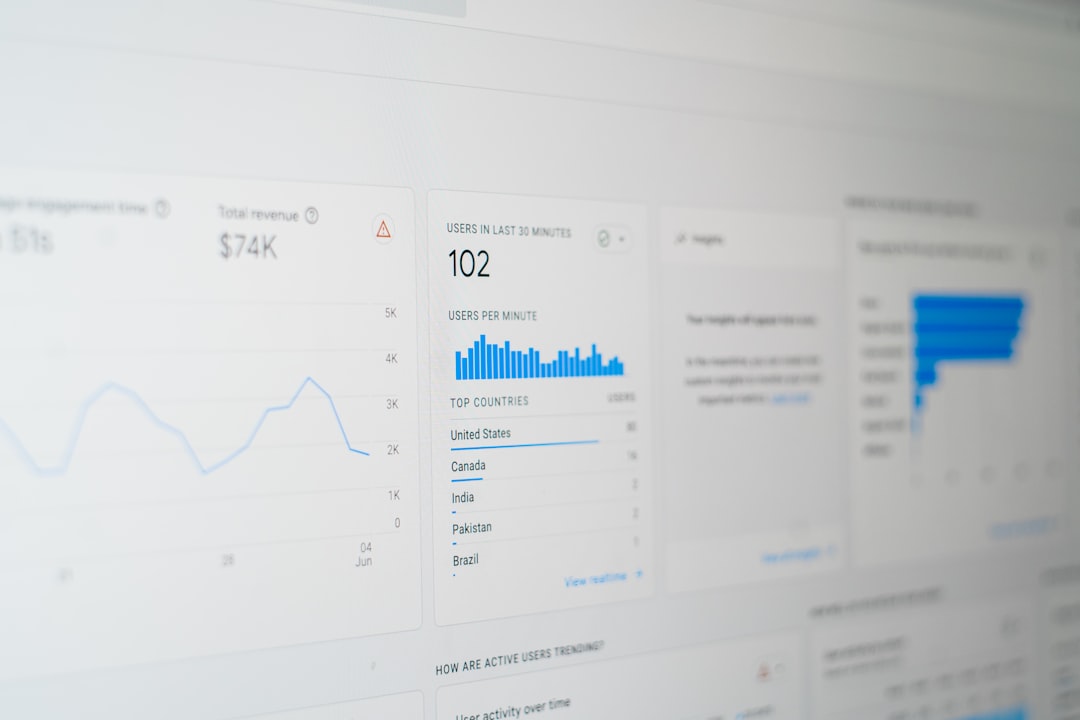
Its dashboards are powerful. You can build reports for PR teams, product teams, executives, and social managers. Each team can see the numbers they care about.
Brandwatch is also strong for trend discovery. If people start connecting your snack brand with gym culture, spicy memes, or a weird celebrity moment, Brandwatch can help you see that pattern.
Best Brandwatch strengths:
- Deep query building.
- Strong audience insights.
- Flexible dashboards.
- Useful sentiment and topic analysis.
- Great for research teams and large brands.
Honestly, it feels like Brandwatch gives you a control room. That is great. But it also means someone has to know which buttons do what.
Where Brandwatch can annoy you
Brandwatch can feel heavy at first. There are many settings. Many filters. Many ways to build a query that almost works, then shows you 2,000 mentions about a completely different topic.
Training matters. Setup matters. If your team wants plug and play, expect some grumbling.
It can also be pricey for smaller teams. Brandwatch often makes the most sense when brand mentions really affect sales, reputation, investor confidence, or support volume.
What Talkwalker does well
Talkwalker is also a top brand monitoring tool. It is known for wide data coverage and quick reporting. It feels very useful for PR teams, social teams, and brand managers who need fast signals.
Talkwalker tracks social networks, news, blogs, forums, and more. It also has strong visual listening. That means it can detect logos, images, and video content where your brand appears, even when nobody writes your brand name.
That feature matters. A person might post a photo with your coffee cup on Instagram and never tag you. A news clip might show your logo in the background. A meme might use your packaging. Text-only tools can miss this stuff.
Best Talkwalker strengths:
- Broad mention coverage.
- Strong image and video recognition.
- Fast alerts for spikes and crises.
- Easy reporting for PR teams.
- Good competitor tracking.
The nice part is speed. Talkwalker can help a team spot a mention spike quickly. If negative sentiment jumps from 12% to 31% in one afternoon, that is not a “check next week” problem. That is a “who approved this campaign?” problem.
Where Talkwalker can annoy you
Talkwalker is easier to read than some heavy tools, but it is not magic. You still need clean keyword rules. If your brand has a common name, like “Apple,” “Monday,” or “Bolt,” prepare for noise.
It drives me a little crazy when tools show a huge mention count, then you discover half of it is junk. Talkwalker has filters to fix this. Still, your setup needs care.
Some teams may also find the deepest research options less flexible than Brandwatch. Talkwalker is strong, but Brandwatch often feels better for complex audience studies.
Brand mentions: the key comparison
Both tools track brand mentions well. The difference is how they help you understand them.
| Feature | Brandwatch | Talkwalker |
|---|---|---|
| Social listening | Very strong | Very strong |
| News and web coverage | Strong | Very strong |
| Dashboards | Highly custom | Clear and fast |
| Visual listening | Good | Excellent |
| Research depth | Excellent | Strong |
| Ease of use | Medium | Medium to easy |
Sentiment tracking: useful, but do not worship it
Both tools offer sentiment analysis. They label mentions as positive, negative, or neutral.
This is helpful. It is not perfect.
Sarcasm still breaks machines. “Great, another broken app update” may be tagged wrong. Emojis can confuse things too. So can slang.
Use sentiment as a signal, not a final answer. If negative sentiment rises by 25%, check the actual posts. Read the angry words. Find the real reason.
Alerts and crisis tracking
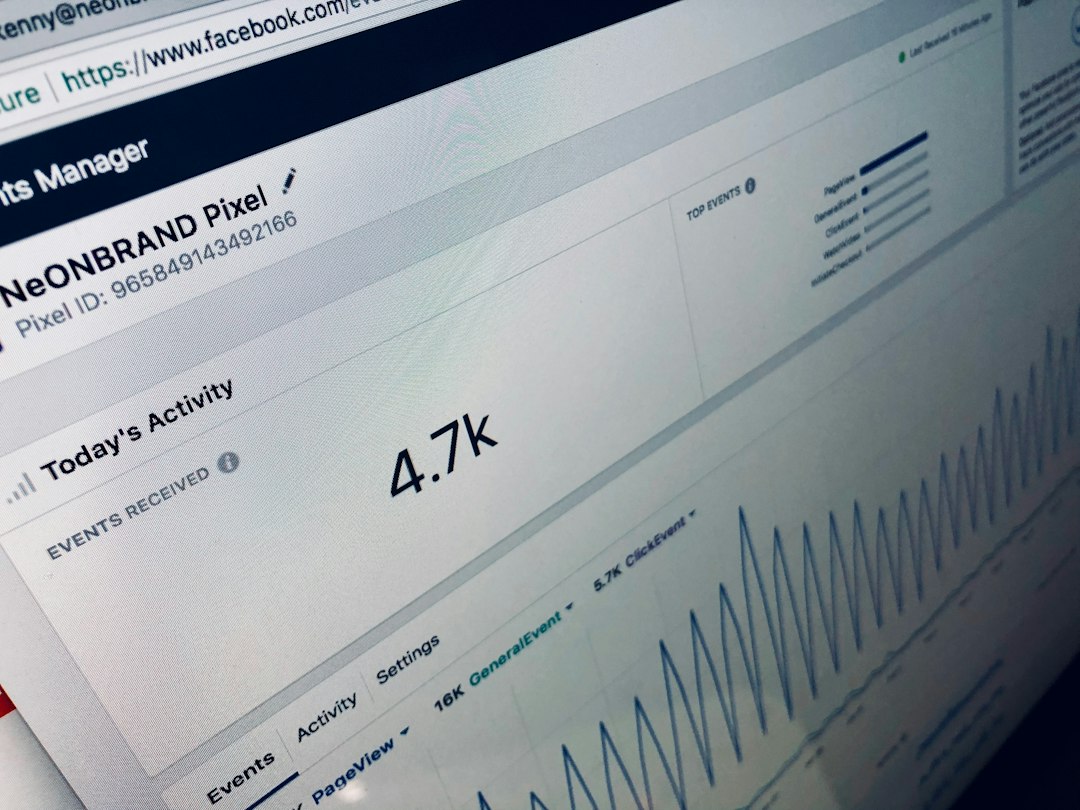
For crisis work, both tools can help. You can set alerts for mention spikes, bad sentiment jumps, viral posts, or key journalist mentions.
Talkwalker feels especially handy for sudden public chatter. Its alerting and broad coverage are helpful when a story spreads across channels.
Brandwatch is great after the spike starts. It helps you inspect the issue, split the audience, compare topics, and build a clean post-crisis report.
So the pattern is simple:
- Talkwalker spots the fire fast.
- Brandwatch helps explain why the fire started.
- Your team still has to put the fire out. Sorry.
Example use case: a skincare brand
Imagine a skincare company launches a new moisturizer. It wants to track brand mentions for 30 days.
The campaign gets 82,000 mentions. Nice. But then negative comments rise from 9% to 22% after some users complain about redness.
With Talkwalker, the PR team gets an alert when complaints spike. They also find TikToks showing product reactions without a brand tag.
With Brandwatch, the insights team studies the complaints. They learn that 64% mention “sensitive skin,” while 18% mention “fragrance.” That points to a product messaging issue, not just a social media issue.
That is the real value. The tools do not just count noise. They help turn noise into action.
Pricing and setup
Both tools are enterprise-grade. That usually means custom pricing. Translation: you will need a sales call.
Pricing can depend on mention volume, users, regions, data sources, dashboards, and support needs. Small teams may feel sticker shock.
If your brand only gets 500 mentions a month, these tools may be too much. If you get 50,000 or 500,000 mentions a month, they start to make more sense.
Final verdict
Brandwatch is the better pick for deep analysis. It is ideal for teams that need detailed research, custom dashboards, and audience insights.
Talkwalker is the better pick for broad, fast monitoring. It is ideal for PR teams, brand teams, and anyone who cares about visual mentions and fast alerts.
If you can test both, do it with your own brand terms. Use real keywords. Add competitors. Add common misspellings. Then compare results for one full week.
The winner is not the tool with the prettiest chart. The winner is the one that catches the mentions your team can actually act on.