The strongest beauty brands in 2026 will win by making content useful in the first three seconds, personal by the first scroll, and shoppable before interest fades. Audiences are tired of perfect faces, vague claims, and recycled “get ready with me” clips. They want proof, texture, shade truth, routine shortcuts, and creators who admit when a product is not for everyone.
TLDR: Beauty content in 2026 should focus on proof, participation, and speed. A mid-size skincare brand, for example, might shift 40% of its creator budget into dermatologist reaction videos, real skin check-ins, and “pick my routine” polls, then see saves rise by 18% and paid acquisition costs drop by 12%. The best strategy is not posting more. It is building content that answers real buying doubts before shoppers leave the app.
1. Replace polished perfection with proof-led content
Beauty consumers are more skeptical now. They have seen too many filters, paid praise, and miracle claims. In 2026, brands need to show receipts.
Proof-led content can include:
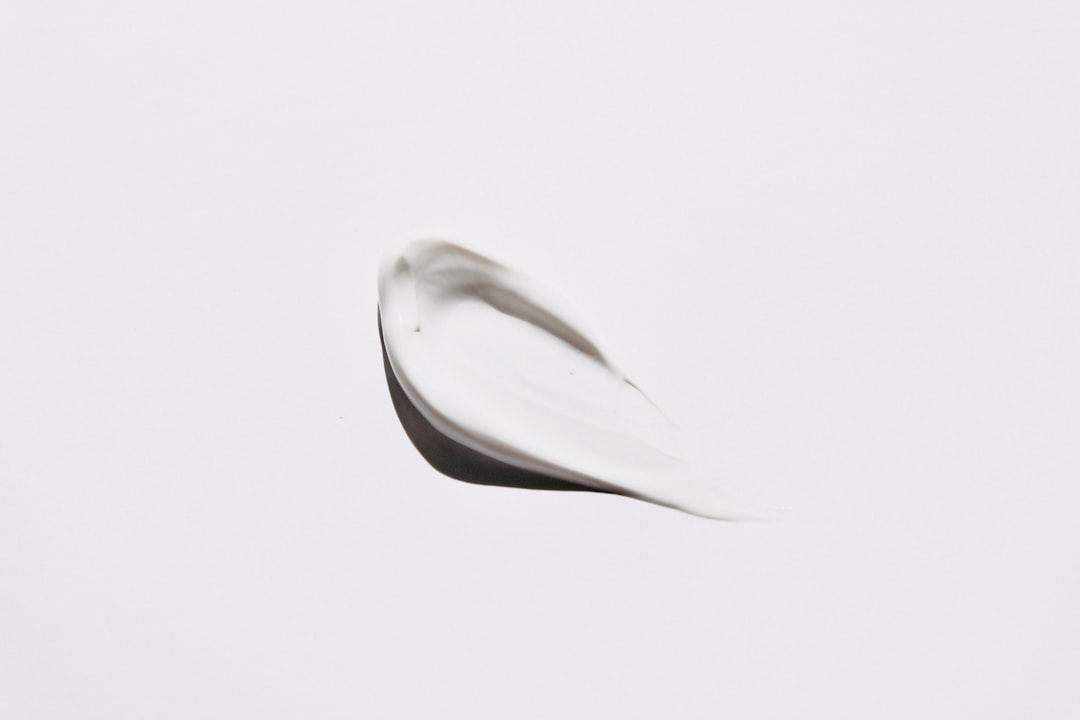
- Unedited skin texture in natural light.
- Wear tests at hour 1, hour 4, and hour 8.
- Shade comparisons across undertones, not just skin tones.
- Ingredient explainers from credible experts.
- Side-by-side product demos against common problems, such as shine, creasing, dryness, or white cast.
The brands that stand out will stop treating flaws as a risk. A concealer that creases slightly after six hours can still sell if the brand explains who it is best for and how to set it. That honesty builds trust faster than another flawless studio clip.
2. Build content for search, not just feeds
Social search is now a major beauty discovery tool. People search TikTok, Instagram, YouTube Shorts, Reddit, and AI answer tools before they buy. They type questions like “best blush for olive skin,” “retinol routine for beginners,” or “lip oil that is not sticky.”
That means beauty brands need content shaped around questions, not slogans.
Better post ideas:
- “Is niacinamide good for oily skin?”
- “How this foundation looks on golden, neutral, and cool undertones.”
- “Three ways to fix pilling sunscreen.”
- “What to use when your skin barrier feels angry.”
Honestly, it feels like too many brands still write captions as if people are casually browsing forever. They are not. They are searching with intent. Your content should match the exact words people use when they are confused, annoyed, or ready to buy.
3. Turn comments into a content engine
In 2026, the comment section is not a feedback box. It is a research lab. Every repeated question is a low-cost content brief.
If ten people ask whether a serum can be used with vitamin C, make a video. If shoppers keep asking how a lipstick looks on darker lips, film it. If people complain that your product page does not show enough texture, fix the page and post the update.
A smart weekly workflow looks like this:
- Collect the top 20 comments from TikTok, Instagram, YouTube, and ads.
- Group them by concern: shade, price, routine fit, ingredients, wear time, shipping.
- Create five short videos answering the highest-intent questions.
- Pin the best answer under related posts.
- Send winning clips to paid media after 72 hours of organic testing.
This saves time and makes content feel less forced. It also shows customers that someone is actually listening.
4. Use AI content carefully, or people will call it out
AI will shape beauty marketing in 2026, but bad AI content will age badly in hours. Shoppers can spot plastic skin, fake lashes, warped packaging, and robotic captions. It drives me crazy that some editing tools still add a glossy blur that makes real skin look like wax, then take 12 extra seconds to export a clip nobody trusts.
Use AI for planning, testing, and personalization. Be careful with fake results.
Good uses of AI:
- Caption variations for different shopper intents.
- Social search keyword research.
- Predictive creative testing before paid spend.
- Personalized routine quizzes.
- Virtual try-on for shade discovery.
Risky uses of AI:
- Fake before-and-after images.
- Invented reviews.
- Generated faces used as “customers.”
- Over-smoothed skin demos.
The rule is simple. AI can help production. It should not fake product performance.
5. Make short video feel like a mini consultation
Short video is still central, but the format is changing. The best clips feel less like ads and more like quick advice from someone who gets the problem.
A strong beauty video in 2026 usually has this structure:
- Hook: Name the problem in plain language.
- Proof: Show the product on real skin, hair, or lips.
- Context: Say who it works for and who should skip it.
- Action: Offer a shade guide, routine step, bundle, or quiz.
For example: “If every skin tint turns orange on you, this is what neutral olive undertones should watch for.” That is better than “Meet your new glow essential.” One speaks to a real pain point. The other sounds like packaging copy.

6. Treat creators as content partners, not ad slots
Creator marketing will stay powerful, but broad gifting campaigns are weaker than they used to be. Brands need smaller creator groups with clearer roles.
Build a creator mix with:
- Experts for credibility, such as dermatologists, cosmetic chemists, hairstylists, and makeup artists.
- Everyday testers for relatability and routine use.
- Community creators who speak to specific skin tones, hair textures, ages, budgets, or concerns.
- Live sellers who can answer objections in real time.
Give creators room to be specific. A slightly critical review can sell better than a perfect one. If a creator says, “I love the finish, but dry skin needs a richer moisturizer under it,” that helps the right shoppers buy with confidence.
7. Make shopping native to the content
Beauty shopping in 2026 is less linear. Someone might see a product in a short video, check comments, use virtual try-on, watch a live demo, compare Reddit feedback, then buy inside an app. Brands should reduce every extra tap.
Useful shoppable content ideas include:
- Live shade matching sessions.
- Routine bundles based on skin goals.
- One-click restock reminders.
- Creator storefronts with honest notes.
- Interactive polls that lead to product recommendations.
The catch is that bad shoppable setups feel clunky. If a shopper has to wait for a product tag to load, click into a messy shop tab, then hunt for the exact shade from the video, many will leave. Speed is part of the content experience.
8. Build community around rituals, not only products
The most memorable beauty brands do not just sell items. They own a ritual. Morning skin prep. Sunday hair reset. Five-minute office makeup. Post-gym refresh. Barrier repair week.
Ritual-based content gives people a reason to return even when they are not ready to buy. It also creates repeatable series, which algorithms tend to reward.
Series ideas for 2026:
- “One product, three skin types.”
- “Routine rescue in 60 seconds.”
- “Shade match clinic.”
- “Ingredient myth Monday.”
- “Real wear test Friday.”
9. Measure attention quality, not just reach
Views are easy to chase. They are also easy to misread. A viral clip that attracts the wrong audience may not move sales. In 2026, beauty brands should track stronger signals.
Watch these metrics:
- Save rate: Shows that content is useful enough to revisit.
- Comment intent: Questions about shade, price, and routine fit often signal buying interest.
- Completion rate: Shows whether the hook and pacing work.
- Click-to-cart rate: Connects creative with purchase behavior.
- Return reasons: Reveals where content overpromised or underexplained.
A beauty brand competing for attention in 2026 needs fewer empty trends and more useful moments. Show real results. Answer real questions. Make buying easier. The feed is crowded, yes, but clarity still wins.