Fashion brands should plan 2026 Meta ads around short video, shoppable catalog units, creator proof, and retargeting formats that turn product interest into checkout intent. Treat Instagram and Facebook as a full-funnel media system, not a gallery for pretty campaign images. The best results will come from matching each format to one job: attention, consideration, product selection, or purchase.
TLDR: In 2026, fashion advertisers should build campaigns around Reels ads, Stories ads, Carousel ads, Collection ads, Advantage+ catalog ads, Partnership ads, and Click to Message ads. For example, a womenswear brand spending $50,000 per month might assign 35% to Reels prospecting, 25% to catalog retargeting, 20% to creator Partnership ads, and 20% to seasonal offer testing. A practical target is to refresh creative every 10 to 14 days, especially if frequency rises above 2.8 and click-through rate drops by more than 20%.
1. Reels Ads: The Primary Attention Format
Reels should be the first creative format in the plan. Fashion is movement, fit, texture, confidence, and styling. Static shots still matter, but Reels show how a garment behaves in real life. That matters for dresses, denim, tailoring, shoes, activewear, and accessories.
Use Reels for new arrivals, seasonal edits, outfit transitions, founder styling notes, fit checks, and creator-led try-ons. Keep the opening sharp. The first two seconds should show the item on body, not a logo animation. A useful structure is simple:
- 0–2 seconds: show the strongest look immediately.
- 3–7 seconds: show movement, close-up fabric, or styling change.
- 8–12 seconds: add proof, offer, or product benefit.
- Final frame: show product name, price cue, and action.
For 2026 planning, produce Reels in batches. One shoot should create at least 12 usable cuts: three hooks, three product angles, three text overlays, and three calls to action. Honestly, it feels like brands still spend too much time perfecting one hero film when the algorithm is asking for structured variation.
2. Stories Ads: Fast Conversion and Offer Recall
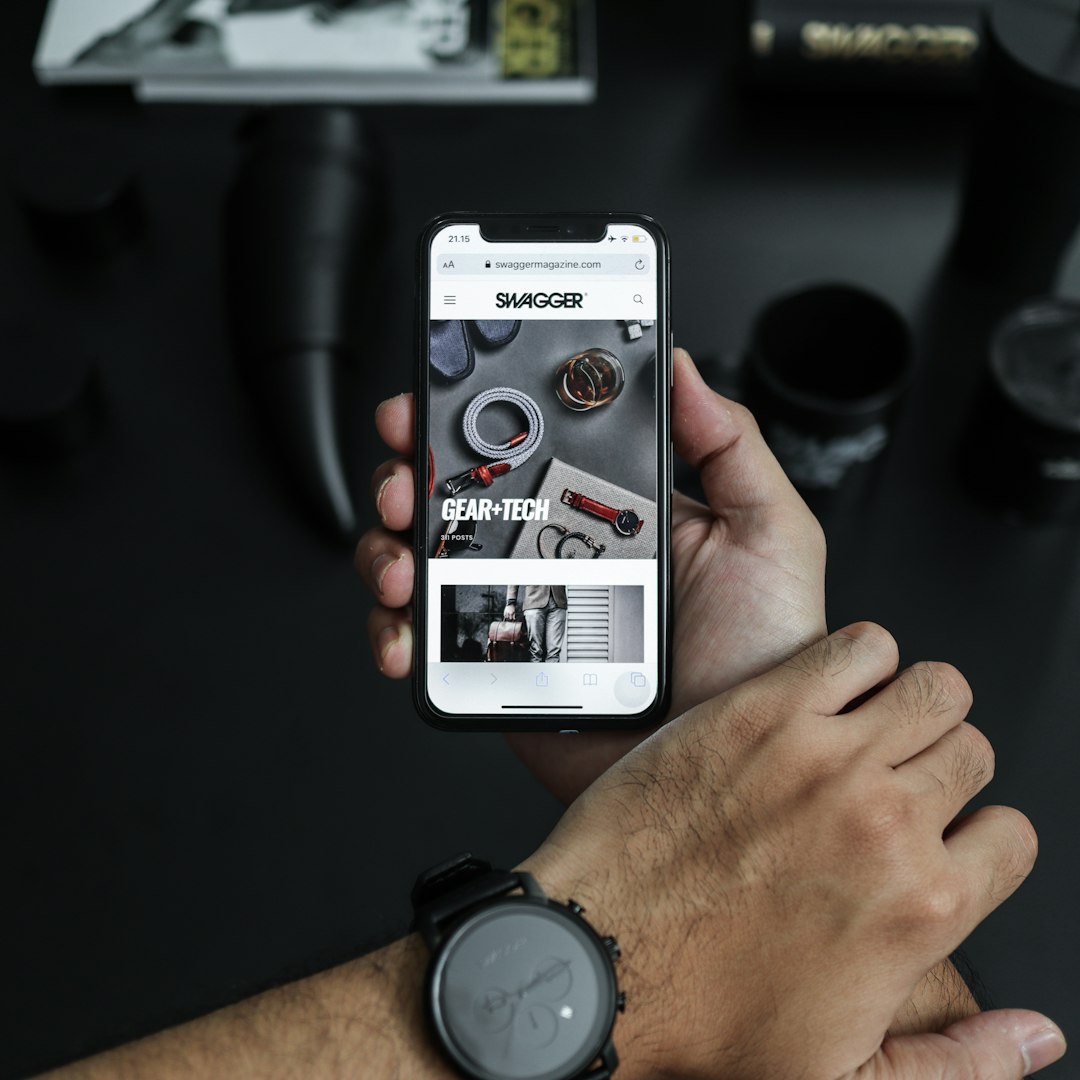
Stories ads work best when they are direct. Use them for limited drops, sale reminders, back-in-stock alerts, and event countdowns. The vertical screen feels personal, so the creative should feel less polished than feed photography and more like a quick update from the brand.
Strong Stories creative often uses one product, one message, and one action. Avoid crowding the frame with five items and four claims. A clean Stories ad for a blazer might say: “New wool blazer. Relaxed fit. Sizes 2–16. Shop before Friday.” That is enough.
Use native features where available, including countdown stickers, product tags, and simple polls for engagement. Test 6-second and 10-second versions. In fashion, shorter often wins for sale traffic, while slightly longer clips work better for new collections that need context.
3. Feed Ads: Credibility, Detail, and Brand Memory
Feed placements still matter for fashion brands that need trust. Reels get attention, but Feed ads support inspection. Shoppers pause on fabric details, roomier captions, press mentions, size notes, and review snippets.
Use Feed ads for premium products, capsule collections, sustainability claims, tailoring details, and higher price points. A $38 T-shirt can sell from a fast Reels clip. A $480 coat usually needs more reassurance. Use captions to explain weight, lining, fit, returns, and shipping cutoffs.
For Feed image ads, avoid flat ecommerce shots unless the goal is retargeting. Use editorial images with clear product visibility. Keep the product easy to identify. A beautiful image that hides the garment is not an ad; it is a mood board.
4. Carousel Ads: Styling, Range, and Product Education
Carousel ads are one of the most useful formats for fashion planning. They let brands show a sequence: one outfit, several colors, fit details, or “wear it three ways.” This format is especially valuable for denim, footwear, handbags, swimwear, and capsule wardrobes.
Plan each card like a sales conversation:
- Card 1: hero look or strongest product benefit.
- Card 2: close-up detail, fabric, hardware, or texture.
- Card 3: alternate color or styling option.
- Card 4: social proof, review, or press quote.
- Card 5: offer, urgency, or shop now prompt.
Carousels also work well for segmented audiences. Show office styling to workwear buyers. Show travel outfits to resort shoppers. Show size-inclusive fit examples to audiences that have engaged with fit guides. This is where planning beats guesswork.
5. Collection Ads and Instant Experiences: Mobile Lookbooks That Sell
Collection ads are ideal when a brand has multiple products to sell together. They open into a fast mobile shopping experience where users can browse without waiting for a slow site page to load. For fashion, that can mean collections by trend, occasion, color, or price band.
Good uses include wedding guest edits, ski trips, festival capsules, workwear refreshes, holiday gifting, and under $100 edits. Put the most commercially proven item at the top. Do not bury the bestseller under campaign art.
It drives me crazy that some teams still build these units at the last minute, then discover the catalog crop is wrong on half the products. Expect to lose 20 to 30 minutes per collection if feed images are not already checked for square and vertical views.
6. Advantage+ Catalog Ads: Retargeting With Product Memory
Catalog ads remain essential for fashion ecommerce. They show people products they viewed, added to cart, or might like based on behavior. In 2026, these units should be treated as a core revenue channel, not a basic retargeting afterthought.
Segment product sets by margin, season, inventory level, and sell-through priority. Do not let the system spend heavily on low-stock items that cannot scale. Also exclude products with weak imagery, missing sizes, or poor return rates.
A practical setup is to create catalog groups for:
- New arrivals with strong inventory depth.
- Bestsellers with profitable margins.
- Sale items with urgency and limited sizing.
- High consideration products such as coats, boots, bags, and tailoring.
Creative overlays can help, but keep them restrained. “Back in stock,” “New color,” and “Selling fast” usually beat vague lifestyle slogans.
7. Partnership Ads: Creator Proof With Paid Control
Partnership ads should be a serious line item in the 2026 media plan. These ads run through creator or partner handles while giving the brand paid distribution control. For fashion, they provide context that brand-owned ads often lack: body type, styling taste, daily use, and social proof.
Use creators for try-ons, honest fit notes, packing videos, haul edits, and “one item, three outfits” content. The best creator brief is specific but not stiff. Give non-negotiables: product name, sizing, key claim, deadline, usage rights, and disclosure requirements. Let the creator speak naturally.
Measure Partnership ads against both direct sales and assisted performance. A creator video may not always close the sale on first click, but it can lift retargeting response two days later. Track view-through revenue, add-to-cart rate, saves, and comments about fit.
8. Click to Message Ads: High-Touch Selling for Fit and Occasion
Click to Message ads suit fashion brands with consultative selling needs. They are useful for bridal, luxury, modest fashion, tailoring, custom footwear, and high-value accessories. The user clicks and starts a conversation in Messenger, Instagram Direct, or WhatsApp where available.
Use this format when shoppers need help choosing size, color, delivery timing, or occasion styling. Response speed is key. If replies take six hours, paid media is being wasted. Set saved replies for size charts, return policy, international shipping, and appointment booking.
Creative Planning Rules for 2026
The format matters, but the creative system matters more. Build every campaign with production, testing, and fatigue in mind. A serious monthly plan should include at least:
- 8 to 12 Reels variations for prospecting.
- 4 to 6 Stories ads for offers and reminders.
- 3 to 5 Carousel concepts for education and styling.
- 2 Collection ads for seasonal or category shopping.
- Always-on catalog retargeting with clean product feeds.
- 2 to 4 creator Partnership ads per major drop.
Review performance by placement, not only by campaign. Watch thumb-stop rate, hook rate, click-through rate, add-to-cart rate, cost per purchase, return rate, and new customer share. A cheap purchase that produces a returned order is not good performance.
Final Planning Priority
Prioritize formats based on the shopper’s decision stage. Use Reels and Partnership ads to earn attention. Use Feed and Carousel ads to explain value. Use Collection and catalog ads to make product selection easy. Use Click to Message ads when the shopper needs help before buying.
Fashion advertising in 2026 will reward brands that produce clear, frequent, commerce-ready creative. The winning account structure is not the one with the most formats. It is the one where every format has a job, every asset is built for mobile, and every product shown is ready to sell.