
Accurate budgeting can determine whether a project becomes profitable, delayed, or financially risky. Modern project cost estimation software helps organizations forecast labor, materials, equipment, subcontractor expenses, contingencies, and timeline-related costs in one centralized system. Instead of relying on disconnected spreadsheets, project teams can use dedicated tools to improve visibility, reduce errors, and make faster planning decisions.
TLDR: Project cost estimation software helps teams build more reliable budgets by combining historical data, real-time rates, resource planning, and reporting. For example, a construction firm managing a $2 million renovation could reduce budget variance from 12% to 5% by using standardized templates and automated cost tracking. The best tools vary by industry, but solutions such as Procore, Microsoft Project, Smartsheet, Buildertrend, and CostX are commonly used for accurate budget planning. Teams should choose software based on project complexity, integrations, reporting needs, and ease of use.
Why Cost Estimation Software Matters
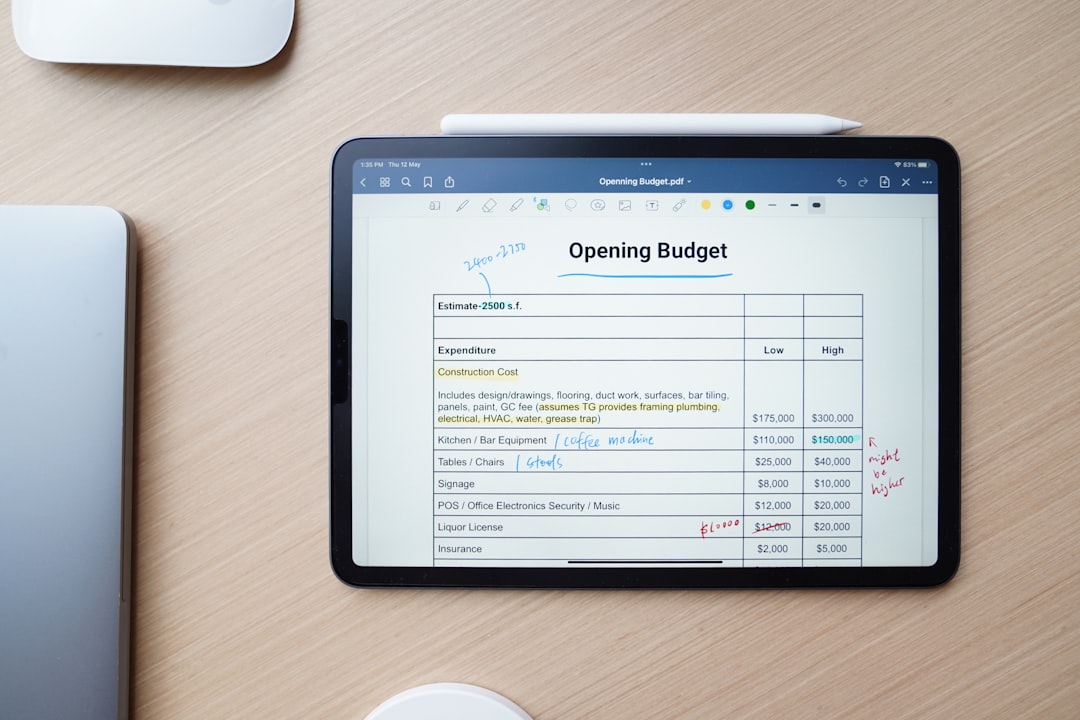
Project budgets are rarely simple. A single project may include fixed costs, variable expenses, outsourced services, labor rates, taxes, permits, risk allowances, and change orders. When these figures are calculated manually, even small mistakes can lead to major overruns. Cost estimation software reduces that risk by standardizing calculations and keeping all budget data in one place.
For project managers, finance teams, contractors, and operations leaders, these tools create a more dependable planning process. They can compare estimated costs with actual expenses, track changes over time, and generate reports for stakeholders. The strongest platforms do more than calculate totals; they help teams understand where money is being spent and where financial risks may appear.
Key Features to Look For
Before selecting a platform, organizations should evaluate the features that directly support accurate budget planning. The most useful software usually includes the following:
- Cost databases: Built-in or customizable libraries for labor, materials, equipment, and subcontractor rates.
- Templates: Reusable estimate formats for recurring project types.
- Real-time budget tracking: Comparison of planned costs against actual spending.
- Change order management: Tools for adjusting budgets when scope, materials, or timelines change.
- Reporting and dashboards: Visual summaries of cost performance, variance, and forecasts.
- Integration options: Connections with accounting, enterprise resource planning, scheduling, or procurement systems.
- Collaboration tools: Shared access for project managers, estimators, finance teams, and executives.
Best Tools for Accurate Budget Planning
1. Procore
Procore is widely used in construction project management and is especially valuable for companies that need cost estimation, budgeting, bidding, and field coordination in one system. It allows teams to manage estimates, track commitments, monitor change orders, and compare budgeted costs with actual spending.
Its strength lies in connecting financial data with project execution. Contractors and owners can see how design changes, procurement delays, or field updates affect the overall budget. However, Procore may be more suitable for mid-sized and large construction firms than for small teams with basic estimating needs.
2. Microsoft Project
Microsoft Project remains a popular option for teams that need scheduling and cost planning together. It allows project managers to assign resources, set hourly rates, estimate task-level costs, and monitor budgets throughout a project lifecycle.
The platform is especially useful for organizations already using Microsoft 365. Its reporting and timeline features help managers evaluate whether schedule delays are increasing labor or operational costs. While it may require training, it offers strong control for structured project environments.
3. Smartsheet
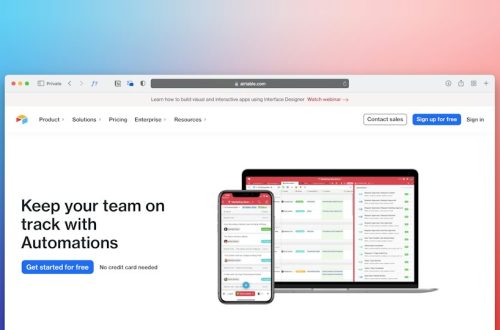
Smartsheet combines spreadsheet familiarity with project management and automation features. It is useful for teams that want flexible budget templates, approval workflows, cost tracking sheets, and executive dashboards without adopting a highly specialized system.
Because Smartsheet is adaptable, it works across industries such as marketing, operations, construction, technology, and professional services. Teams can create custom cost estimation models and automate alerts when spending approaches a defined threshold. Its main advantage is flexibility, although complex estimates may require careful template design.

4. Buildertrend
Buildertrend is designed for residential construction, remodeling, and specialty contractors. It includes tools for estimates, proposals, purchase orders, change orders, client communication, and job costing. For home builders and remodelers, it can simplify the process of turning an estimate into a managed project budget.
Its client-facing features are a major benefit. Builders can share selections, approvals, and cost updates with customers, reducing confusion and improving transparency. Buildertrend is a good fit for firms that need both estimating and customer communication in one platform.
5. CostX
CostX is a specialist quantity takeoff and cost estimating tool often used by quantity surveyors, estimators, and construction consultants. It supports 2D drawings and 3D building information modeling, allowing users to extract quantities directly from project designs.
This makes CostX particularly valuable for detailed construction estimates where measurement accuracy is essential. By linking quantities to cost rates, teams can create precise estimates and update them as designs change. It is best suited for professionals who need advanced takeoff capabilities rather than general project management features.
6. Quickbase
Quickbase offers a customizable application platform that can be configured for project cost estimation, budget approvals, procurement tracking, and portfolio reporting. It is often selected by organizations with unique workflows that do not fit neatly into standard software.
Teams can build custom dashboards, automate approvals, and connect cost data across departments. Although setup may require more planning, Quickbase can be powerful for companies managing multiple project types with different financial controls.
7. Monday Work Management
Monday Work Management provides visual project tracking, budget boards, workload views, and automation. While it is not a traditional estimating tool, it can support budget planning for marketing campaigns, internal operations, product launches, and service projects.
Its visual interface helps nontechnical teams monitor budget status, owner responsibilities, and deadlines. For organizations that need lightweight cost tracking with strong collaboration, it can be an effective choice.
How to Choose the Right Estimation Tool
The best software depends on the organization’s industry, project size, and financial complexity. A civil engineering firm may need detailed takeoff, subcontractor bid comparison, and cost code tracking. A marketing agency may only need campaign budget templates, labor planning, and approval workflows.
Decision-makers should consider the following criteria:
- Industry fit: Specialized tools often provide more accurate estimates for construction, engineering, or manufacturing.
- Scalability: The software should support future growth, more users, and larger project portfolios.
- Data quality: Accurate cost estimation depends on updated rates, historical records, and consistent input methods.
- Ease of adoption: A powerful tool delivers limited value if teams avoid using it.
- Reporting depth: Stakeholders need clear budget variance, cash flow, and forecast reports.
- Total cost: Subscription fees, setup, training, integrations, and support should all be considered.
Common Mistakes to Avoid
Even the best estimation software cannot solve poor planning habits. Organizations should avoid entering outdated rates, ignoring risk contingencies, or failing to update estimates after scope changes. Another common mistake is treating the estimate as a one-time document rather than a living financial plan.
Teams should also avoid overcomplicating the system. If a small company adopts highly technical software without the staff to manage it, the result may be slower planning rather than better accuracy. The right tool should match both the complexity of the work and the maturity of the team using it.
Final Thoughts
Project cost estimation software gives organizations a structured way to plan, monitor, and control budgets. Tools such as Procore, Microsoft Project, Smartsheet, Buildertrend, CostX, Quickbase, and Monday Work Management serve different needs, from advanced construction takeoff to flexible business budget tracking.
For the most accurate budget planning, teams should combine reliable software with disciplined processes, high-quality data, and regular estimate reviews. When used correctly, these platforms can reduce uncertainty, improve stakeholder confidence, and help projects stay financially on track.
FAQ
What is project cost estimation software?
Project cost estimation software is a digital tool used to forecast and manage project expenses, including labor, materials, equipment, services, overhead, and contingencies.
Which software is best for construction cost estimation?
Procore, Buildertrend, and CostX are strong options for construction. Procore is suitable for broader project management, Buildertrend works well for residential builders, and CostX is excellent for detailed takeoff and quantity surveying.
Can small businesses use cost estimation software?
Yes. Small businesses can use flexible tools such as Smartsheet or Monday Work Management to create budget templates, track spending, and manage approvals without investing in complex enterprise systems.
How does estimation software improve accuracy?
It improves accuracy by using standardized templates, current cost data, automated calculations, historical project records, and real-time budget tracking.
Is spreadsheet-based estimating still useful?
Spreadsheets can be useful for simple estimates, but dedicated software is usually better for collaboration, reporting, version control, and managing complex project costs.