
Most people choose a browser once and forget about it, which is why an unfamiliar icon suddenly appearing on the desktop can feel unsettling. Wave Browser is one of those names that often raises questions: Is it a legitimate browser, an adware problem, or just another Chromium-based option competing with Chrome and Edge? The answer is nuanced. Wave Browser functions like a web browser, but its distribution methods, privacy reputation, and persistence on some systems have made many users cautious.
TLDR: Wave Browser is a Chromium-based browser that may offer familiar browsing features, but it is often criticized for being bundled with other software and for changing browser settings without clear user consent. For example, a user installing a free PDF converter might later notice that their default browser and search engine changed, even though they never intentionally chose Wave Browser. If you see unexpected redirects, new desktop shortcuts, or unfamiliar search results, it is worth reviewing your installed apps and browser settings. Safer alternatives include Chrome, Firefox, Brave, Edge, and Safari.
What Is Wave Browser?
Wave Browser is a web browser built on Chromium, the same open-source project that powers Google Chrome, Microsoft Edge, Brave, Opera, and many others. In practical terms, that means it can look and behave like a modern browser: tabs, bookmarks, extensions, browsing history, and support for most websites.
However, Wave Browser is not mainly known for innovation. Instead, it has become widely discussed because users sometimes discover it installed on their computers without remembering a direct download. This usually happens through software bundling, where one installer includes additional programs as optional or preselected offers. If the user clicks “Next” quickly, those extras may be installed too.
Main Features of Wave Browser
On the surface, Wave Browser provides many standard browser features. These may include:
- Tabbed browsing: Open and switch between multiple websites in one window.
- Chromium compatibility: Many websites load correctly because the underlying engine is similar to Chrome.
- Search and address bar: Type a website address or search query in the same field.
- Bookmarks: Save frequently visited websites for quick access.
- Extension support: Some Chromium-compatible extensions may work, depending on configuration.
- Custom homepage or search page: The browser may direct users through its preferred search provider or start page.
These features are not unusual. The real concern is not whether Wave Browser can load websites, but how it gets installed, what settings it changes, and how transparent it is about data handling.
Why Do People Consider Wave Browser Suspicious?
Wave Browser is often classified by security tools and tech support forums as a potentially unwanted program, or PUP. A PUP is not always the same as a virus. It may not steal passwords or encrypt files like ransomware, but it can still create unwanted changes, display intrusive behavior, or collect data in ways users do not expect.
Common complaints include:
- Unexpected installation: Users may find it installed after downloading unrelated freeware.
- Default browser changes: It may become the default browser without the user clearly choosing it.
- Search engine changes: Searches may be routed through unfamiliar search pages.
- Shortcut creation: Desktop, taskbar, or start menu icons may appear suddenly.
- Difficult removal: Some users report that it returns after being uninstalled, usually because related background items or scheduled tasks remain.
For an average user, the most frustrating part is the feeling of losing control. A browser sits at the center of daily internet use. If it changes where searches go or opens automatically, it can affect everything from shopping to banking to work accounts.
Privacy Concerns: What Data Could Be at Risk?
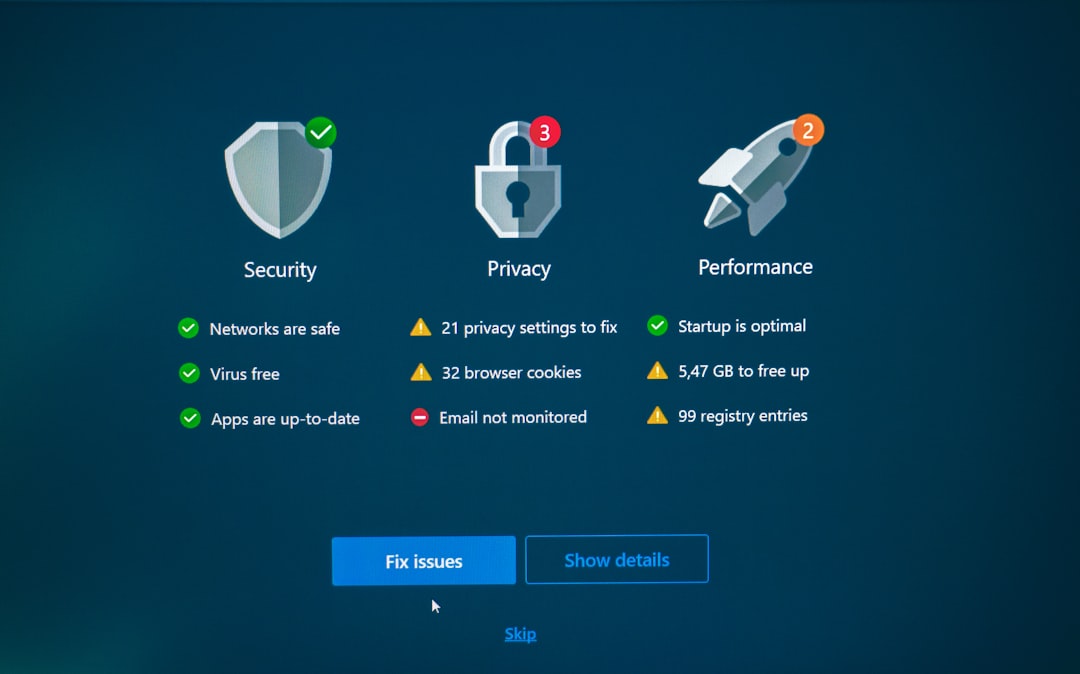
Any browser can collect data, including mainstream ones. The important questions are what data is collected, why it is collected, how long it is stored, and whether the user gave informed consent. With less trusted browsers, the concern is that data practices may be harder to understand or verify.
Potential privacy concerns around browsers like Wave Browser include:
- Search queries: Your searches can reveal interests, health concerns, financial plans, and personal problems.
- Browsing history: A log of visited sites can build a surprisingly detailed profile of your habits.
- Device information: Browser version, operating system, IP address, and location signals may be collected for analytics or advertising.
- Tracking identifiers: Cookies or similar technologies may follow activity across websites.
- Redirect data: If searches pass through intermediate pages, additional parties may be able to see or monetize traffic.
Consider a simple scenario: a user spends 15 minutes searching for “best mortgage rates,” “credit score repair,” and “debt consolidation.” Even without a name attached, those three searches can suggest financial stress and future purchasing intent. If combined with location and device data, the profile becomes more valuable to advertisers and more sensitive for the user.
Is Wave Browser Malware?
Calling Wave Browser “malware” can be misleading, because the term usually refers to software designed to cause direct harm, such as stealing credentials, spying secretly, or damaging files. Wave Browser is better described as controversial software or a potentially unwanted application.
That said, a program does not need to be classic malware to be a problem. If it arrives through unclear bundling, modifies important settings, or resists removal, users have good reason to treat it seriously. The safest approach is to remove browser software you did not intentionally install and then check for leftover components.
How to Remove Wave Browser Safely
If Wave Browser is on your computer and you do not want it, take a careful, step-by-step approach:
- Uninstall it from system settings: On Windows, open “Apps & features” or “Installed apps,” locate Wave Browser, and remove it.
- Check browser defaults: Make sure your preferred browser is set as default again.
- Review search engines: In Chrome, Edge, Firefox, or another browser, confirm your default search provider has not changed.
- Remove suspicious extensions: Delete add-ons you do not recognize.
- Scan with reputable security software: A full system scan can find remaining PUP components.
- Check startup apps: Disable unknown entries that launch automatically when your computer starts.
If the browser reappears, there may be another installer, scheduled task, or background program reinstalling it. In that case, use a trusted malware removal tool or ask a technician to inspect startup entries, browser policies, and installed programs.
Best Alternatives to Wave Browser
If you want a browser that is reliable, well-supported, and more transparent, there are several strong alternatives:
- Google Chrome: Fast, widely compatible, and supported by a huge extension ecosystem. The tradeoff is Google’s advertising and data collection model.
- Mozilla Firefox: Open-source, privacy-focused, and independent from Chromium. A strong choice for users who want more control.
- Brave: Chromium-based but built with tracker blocking, fingerprinting protection, and optional privacy features.
- Microsoft Edge: Integrated with Windows, efficient, and feature-rich, though it includes Microsoft services and promotions.
- Safari: Best for Apple users, with strong energy efficiency and built-in privacy protections.

How to Avoid Unwanted Browsers in the Future
The easiest way to avoid unwanted software is to slow down during installations. Choose custom or advanced installation options whenever available. Look for checkboxes offering extra browsers, toolbars, search tools, “PC optimizers,” or shopping assistants. If you do not recognize the offer, decline it.
Also, download software only from official websites or reputable app stores. Many unwanted programs spread through download portals that wrap legitimate software inside their own installers. Keeping your operating system, browser, and security software updated also reduces the risk of unwanted changes.
Final Verdict
Wave Browser is not interesting because of unique features; it is interesting because of the larger lesson it teaches about software trust. A browser has access to your searches, sessions, habits, and sometimes sensitive accounts. Even if a browser works normally, you should ask whether you chose it knowingly and whether you trust the company behind it.
If Wave Browser appeared unexpectedly, removing it is a sensible step. For most users, established alternatives like Firefox, Brave, Chrome, Edge, or Safari offer better transparency, stronger support, and fewer surprises. In web browsing, convenience matters, but control and trust matter more.