
Trinity Sunday in 2026 falls on Sunday, 31 May 2026, one week after Pentecost and eight weeks after Easter Sunday. For churches planning services, meals, baptisms, teaching series, or volunteer rotas around that date, the sharper question is not only when to communicate, but which tool should carry the message: ChurchSuite or Mailchimp.
TLDR: Trinity Sunday 2026 is 31 May 2026. Use ChurchSuite if the message depends on member records, event sign-ups, rotas, small groups, or attendance. Use Mailchimp if you need polished newsletters, donor updates, or public-facing campaigns with stronger design control. For example, a church with 420 regular attendees might send a ChurchSuite event invite to 180 serving team members, while using Mailchimp for a wider 1,200-person parish newsletter with a 38% open rate.
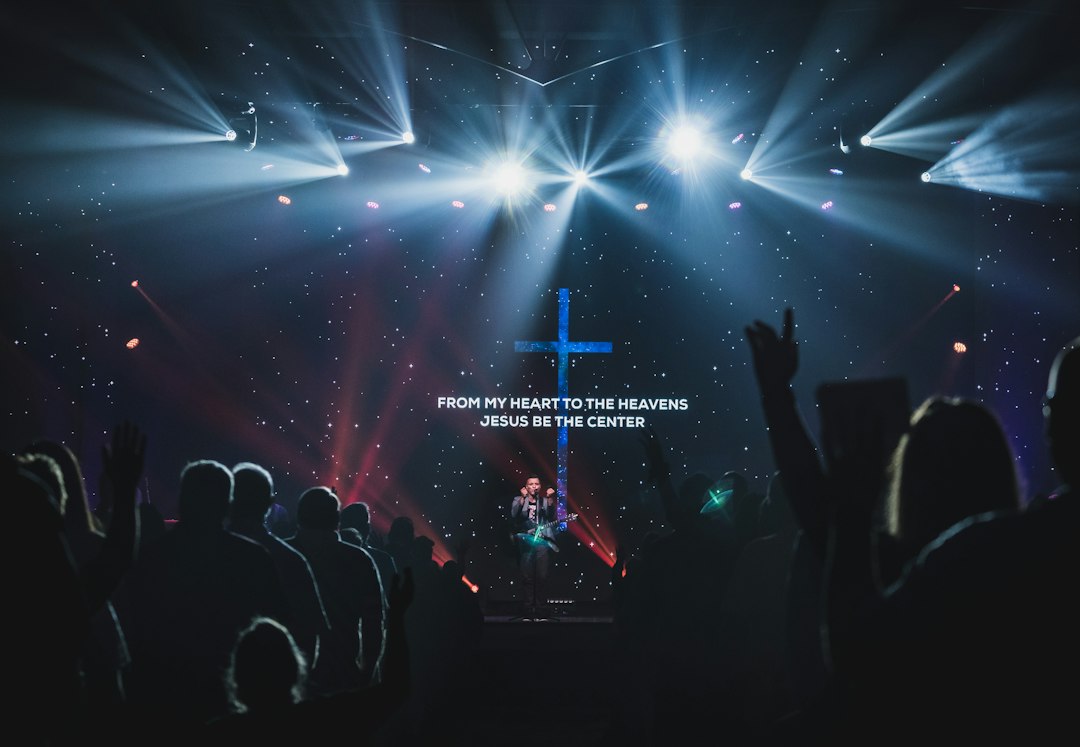
Why Trinity Sunday 2026 Matters for Planning
Trinity Sunday is observed on the first Sunday after Pentecost. In 2026, Easter Sunday is 5 April, Pentecost is 24 May, and Trinity Sunday is therefore 31 May 2026.
For many churches, this is not just another date in the rota. It may shape sermon planning, choir preparation, communion arrangements, children’s ministry resources, visitor welcome, and midweek teaching. If your church follows the liturgical year, the date also affects printed materials and digital reminders.
The problem is simple. Church communication often gets messy. A notice goes in the bulletin. A different version goes in an email. The youth team posts on social media. The office prints a poster. Someone still asks on Saturday night, “What time does it start?” It drives me crazy that churches often have the right information, but not one clean route for sending it.
ChurchSuite: Best for Church-Centred Event Communication
ChurchSuite is built around church administration. That makes it strong when communication is tied to actual church life: people, teams, groups, safeguarding notes, rotas, events, giving, pastoral care, and attendance.
For a Trinity Sunday service or event, ChurchSuite is usually the better choice when you need to contact a defined group. That might include:
- Choir members scheduled for the morning service.
- Welcome team volunteers assigned to a rota.
- Parents with children registered for Sunday groups.
- Small group leaders preparing discussion material.
- Members who signed up for a post-service lunch.
This is where ChurchSuite feels practical. You are not guessing who belongs on the list. The system already holds that information, assuming your data is clean. You can send emails based on attendance, group membership, tags, or event sign-up status. That is useful for churches where one message should not go to everyone.
For example, a church planning a Trinity Sunday lunch could use ChurchSuite to send:
- An invite to all regular attenders aged 18 and over.
- A reminder only to people who have booked tickets.
- A separate setup notice to hospitality volunteers.
- A capacity alert when 95 of 100 available spaces are filled.
That level of control can prevent confusion. It also reduces the risk of sending pastoral or internal details to a public mailing list.
Mailchimp: Best for Public Newsletters and Polished Campaigns
Mailchimp is a marketing email platform. It is not a church management system. That is not a weakness if your goal is broad communication. It is strong for attractive newsletters, branded campaigns, templates, audience segments, and performance reports.
For Trinity Sunday 2026, Mailchimp may be the right tool if your church wants to send a public newsletter such as:
- “What’s On in May and June” to the wider parish.
- A visitor-friendly explanation of Trinity Sunday.
- A fundraising update tied to a seasonal appeal.
- A monthly rector’s letter with service times and links.
Mailchimp’s reporting is also useful. If a campaign goes to 1,500 subscribers and 570 open it, that is a 38% open rate. If 72 people click the Trinity Sunday service link, that gives the office a better sense of interest. These numbers are not perfect. Email privacy settings can distort open rates. Still, trends over time can help.
The catch is that Mailchimp needs careful list management. If your ChurchSuite records and Mailchimp audience are not synced or checked, people can receive duplicate messages or miss key notices. Expect to waste time on small fixes if names, tags, and consent fields are handled in two places. Adding event-specific groups in a generic email tool can add 10 to 15 minutes per message, especially when staff must check who has already registered elsewhere.

ChurchSuite vs Mailchimp: Practical Comparison
| Need | Better Choice | Reason |
|---|---|---|
| Inviting members to a Trinity Sunday lunch | ChurchSuite | Links directly to event bookings and member records. |
| Sending a public parish newsletter | Mailchimp | Better templates, layout control, and campaign reports. |
| Contacting rota volunteers | ChurchSuite | Built around teams, service roles, and schedules. |
| Promoting a seasonal teaching series | Mailchimp | Good for wider storytelling and visual presentation. |
| Tracking who signed up | ChurchSuite | Event registration sits inside the same system. |
A Sensible Communication Plan for Trinity Sunday 2026
A serious church communication plan should avoid tool confusion. Use each platform for the job it handles best.
- 12 weeks before: Add Trinity Sunday 2026 services and events to ChurchSuite. Confirm times, rooms, ticket limits, and volunteer needs.
- 8 weeks before: Send a Mailchimp newsletter covering Eastertide, Pentecost, Trinity Sunday, and early summer events.
- 4 weeks before: Use ChurchSuite to email specific teams, including worship, hospitality, children’s ministry, readers, and stewards.
- 10 days before: Send a ChurchSuite reminder to registered attendees and volunteers.
- 3 days before: Send a short final notice with parking, arrival times, accessibility details, and children’s arrangements.
This keeps public messaging broad and attractive, while operational communication stays accurate. It also helps staff avoid the common trap of copying the same update into five channels, then forgetting which version is current.
Data Protection and Consent
Churches must treat contact data with care. This is especially true where membership, pastoral notes, children’s details, or volunteer roles are involved. ChurchSuite is often more suitable for internal church communication because it is tied to records and permissions. Mailchimp is better suited to people who have clearly agreed to receive newsletter-style updates.
Before sending Trinity Sunday 2026 emails, check three things:
- Consent: Are recipients allowed to receive this type of message?
- Relevance: Does the message apply to this person?
- Access: Who on staff can view, export, or edit the list?
If unsure, ask your church administrator or data protection lead. A smaller, correct list is better than a large, careless one.
Image not found in postmetaFinal Recommendation
For Trinity Sunday 2026, mark Sunday, 31 May 2026 now. Then choose the tool based on the audience. ChurchSuite should handle internal, event-based, rota-based, and member-specific communication. Mailchimp should handle polished, public, newsletter-style communication.
The best setup is not ChurchSuite against Mailchimp. It is ChurchSuite for accuracy and Mailchimp for reach. When those roles are clear, your church can send fewer emails, reduce mistakes, and give people the one thing they usually need most: the right information at the right time.