

A stovepipe hat is one of the most recognizable forms of the traditional top hat: tall, cylindrical, and usually finished in black felt, silk, or beaver fur. Its straight sides distinguish it from other high-crowned hats that may curve inward or taper. Although it is most strongly associated with the 19th century, formal politics, and figures such as Abraham Lincoln, the stovepipe hat has a broader history that includes fashion, social status, performance, and ceremonial dress.
TLDR: A stovepipe hat is a tall, straight-sided top hat popularized in the 19th century and famously worn by Abraham Lincoln. It was once a marker of respectability and public authority, especially among politicians, businessmen, and formal dressers. For example, a museum display recreating an 1860s statesman’s outfit would likely include a black stovepipe hat because it instantly communicates status and period accuracy. Today, it is used less in daily fashion and more in historical reenactments, theater, weddings, branding, and costume design.
What Makes a Stovepipe Hat Different?
The stovepipe hat belongs to the wider family of top hats, but it has a specific shape. Its crown is typically high and nearly vertical, creating a silhouette that resembles a pipe or chimney. That resemblance is the source of the name.
Key features usually include:
- A tall cylindrical crown, often higher than other formal hats.
- Straight sides, unlike the slightly flared or curved sides of some top hats.
- A flat or gently curved brim, depending on the period and maker.
- Dark formal materials, especially black silk plush, felt, or historic beaver fur.
- A hatband, commonly made of grosgrain ribbon or silk.
In practical terms, if a top hat looks especially tall, narrow, and upright, it is often called a stovepipe hat. The term may be used loosely today, but historically it refers to a distinct, formal shape rather than any high hat.

Origins and Early Development
The top hat emerged in Europe during the late 18th century and became widespread in the 19th century. Earlier men’s hats included tricornes, bicornes, and broad-brimmed styles, but the top hat reflected a new era of urban formality. It suited the tailored coats, waistcoats, and trousers that defined respectable male dress in the early modern city.
The stovepipe version became especially visible in the first half of the 19th century. Its height made the wearer appear taller and more commanding, while its rigid structure gave a sense of order and discipline. In an age when dress codes were closely tied to class and profession, a tall black hat could communicate seriousness before a word was spoken.
Materials mattered. Fine hats were often made from beaver felt, which was durable, water-resistant, and capable of holding a sharp shape. Later, silk plush became fashionable for formal top hats. Cheaper versions used wool felt or other substitutes, making the general style available to a wider public.
The Stovepipe Hat and Abraham Lincoln
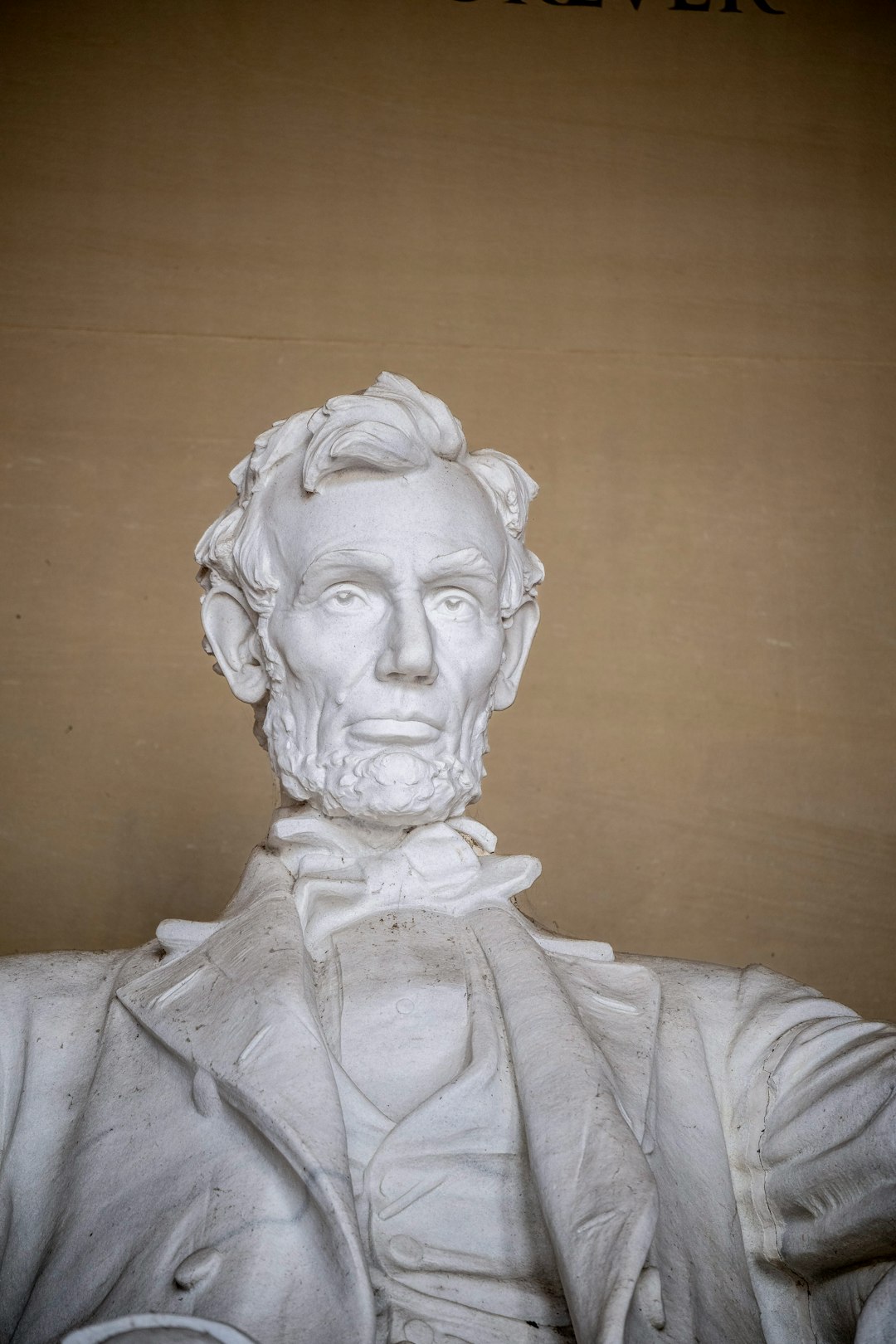
No discussion of the stovepipe hat is complete without Abraham Lincoln. The 16th president of the United States wore tall black hats so regularly that the image became part of his public identity. Lincoln was already unusually tall, standing about 6 feet 4 inches, and the hat made his silhouette even more distinctive.
Lincoln’s hat was not merely decorative. Historical accounts suggest that he sometimes used the inside of his hat to store papers, letters, or notes. Whether or not every story is exact, the association reinforces the idea of the hat as both a personal object and a public symbol.
After Lincoln’s assassination in 1865, his stovepipe hat became an artifact of national memory. One of his hats is preserved by the Smithsonian Institution, where it is treated not as a costume accessory but as a significant historical object. Its value comes from its connection to leadership, crisis, and the visual language of American history.
Popular Styles and Variations
Although people often imagine one fixed design, stovepipe hats varied by maker, decade, and level of formality. Some versions were very tall and severe, while others had a slightly softer crown or wider brim. The differences can be subtle, but they matter for collectors, historians, and costume designers.
Common variations include:
- High formal stovepipe: Tall, black, and rigid, typically worn with formal coats and used in elite social settings.
- Silk plush top hat: A refined version with a glossy surface, popular for evening dress and ceremonial occasions.
- Felt stovepipe: More practical and less expensive than silk, often used for daywear or modern costume reproduction.
- Collapsible opera hat: Technically a different construction, but sometimes confused with stovepipe styles because of its high formal profile.
- Costume stovepipe: A modern simplified version made for theater, reenactment, Halloween, or themed events.
The most accurate historical versions tend to have careful proportions: the crown is high but not cartoonish, and the brim is shaped to frame the face rather than dominate it. In contrast, novelty hats often exaggerate the height for comic or dramatic effect.
Social Meaning in the 19th Century
In the 1800s, hats were not casual afterthoughts. They were part of a strict visual code. A stovepipe hat could suggest that the wearer was a man of business, law, politics, or financial standing. It was associated with public life: walking in town, attending church, visiting offices, or appearing at formal gatherings.
The hat also reflected the era’s expectations of masculinity. A polished tall hat suggested self-control, respectability, and ambition. For politicians and public speakers, it added authority. For businessmen, it signaled reliability. For urban professionals, it was part of presenting oneself as disciplined and socially credible.
At the same time, the stovepipe hat could be criticized as a symbol of class division. Laborers, rural workers, and poorer citizens generally wore more practical headwear. The tall black hat therefore became not only a fashion item but also a visible sign of social hierarchy.
Modern Uses of the Stovepipe Hat
Today, the stovepipe hat is rarely worn as everyday clothing. Its modern value lies mainly in symbolism, accuracy, and visual impact. It appears in settings where history, formality, or recognizable character design matters.
Modern uses include:
- Historical reenactments: Civil War events, museum programs, and living-history presentations use stovepipe hats to create period accuracy.
- Theater and film: Costume designers use the hat to establish a 19th-century setting quickly and clearly.
- Weddings and formal events: Some vintage-inspired ceremonies use top hats, including stovepipe styles, for a classic look.
- Magicians and performers: The tall black hat remains a familiar prop, although the magician’s top hat is often a shorter variation.
- Branding and illustration: The silhouette can suggest history, prestige, eccentricity, or old-world elegance.
- Collectors and museums: Original hats are valued as material evidence of fashion, craftsmanship, and social life.

How to Choose One Today
If buying a stovepipe hat for reenactment or formal wear, proportion is the most important factor. A crown that is too tall may look theatrical rather than authentic. A brim that is too wide may look more like a costume hat than a period piece.
Consider the following:
- Purpose: Choose wool felt for casual costume use, but consider higher-quality felt or silk finishes for serious reenactment.
- Fit: A formal hat should sit securely without squeezing the head.
- Period: Research the decade you want to represent, since 1830s, 1860s, and late Victorian styles differ.
- Finish: A clean black surface and well-made band make the hat look more authentic.
Why the Stovepipe Hat Still Matters
The stovepipe hat endures because it is more than an old accessory. It is a compact symbol of an era when clothing communicated rank, profession, discipline, and public identity. Its shape is simple, but its cultural meaning is layered.
Whether seen in a museum, on a stage, in a period film, or in a Lincoln portrait, the stovepipe hat immediately evokes the 19th century. It represents formality, authority, and historical memory. For that reason, it remains one of the few hats that can be recognized instantly by people who may know little about fashion history.
In short: a stovepipe hat is not just a tall top hat. It is a piece of social history, a design object, and a lasting visual shorthand for dignity, power, and the formal world of the 1800s.