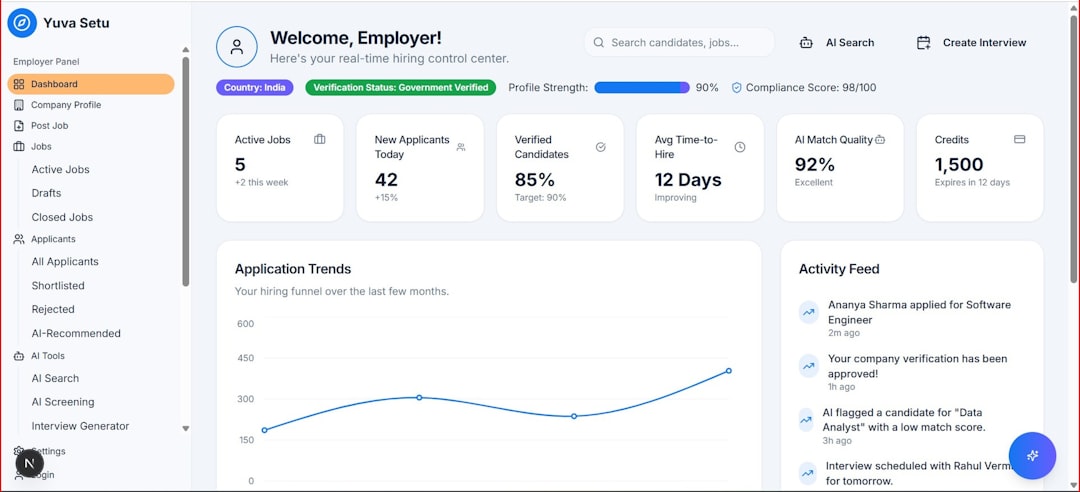

In fast-moving teams, the biggest risks are often not technical complexity but unclear priorities, hidden blockers, and slow communication. A huddle board is a practical visual management tool that helps teams see what matters, discuss progress quickly, and make better daily decisions. Used well, it turns a short team meeting into a focused operating rhythm rather than a status ritual.
TLDR: A huddle board is a visual workspace used during short team meetings to track priorities, work progress, blockers, metrics, and actions. Agile teams use it to support daily standups, improve transparency, and keep work aligned with goals. It can be physical, digital, or hybrid, but its value depends on disciplined use, clear ownership, and regular updates.
What Is a Huddle Board?
A huddle board is a shared visual board that displays the most important information a team needs to coordinate its work. It is typically reviewed during a brief daily or frequent meeting, often called a huddle, standup, or daily check in. The board may show tasks, priorities, risks, performance metrics, improvement ideas, customer issues, or decisions that need attention.
The term is used in several environments, including agile software development, healthcare, manufacturing, operations, customer support, and project management. In agile teams, a huddle board often resembles a Kanban or Scrum board, with columns such as To Do, In Progress, Review, and Done. In operational teams, it may also include safety updates, staffing levels, quality measures, or service performance.
The core purpose is simple: make work visible. When work is visible, teams can identify delays sooner, rebalance effort, and focus conversations on facts rather than assumptions.

Why Huddle Boards Matter
Many teams waste time because critical information sits in emails, spreadsheets, private chats, or individual memories. A huddle board brings that information into one shared view. This supports better communication, especially when the team is handling multiple priorities or responding to changing conditions.
A huddle board also helps reduce the common problem of meetings becoming vague status updates. Instead of asking everyone to recite what they did yesterday, the team reviews visible work and asks more useful questions: What is blocked? What needs a decision? What is at risk? What should we finish next?
Key Benefits of a Huddle Board
- Improved transparency: Everyone can see what is planned, active, delayed, and completed. This lowers confusion and builds shared accountability.
- Faster problem solving: Blockers are easier to identify when they are displayed clearly. Teams can escalate issues before they become expensive delays.
- Better prioritization: A board helps teams focus on the most important work rather than the loudest request or most recent message.
- Stronger team alignment: Daily review of the board keeps individuals connected to team goals, customer needs, and delivery commitments.
- Reduced meeting time: A clear board provides structure, which helps keep huddles short, practical, and decision oriented.
- Continuous improvement: Trends, recurring blockers, and process weaknesses become easier to see over time.
These benefits are not automatic. A huddle board becomes valuable when the team trusts it as the current source of truth. If it is outdated, overloaded, or ignored between meetings, it quickly becomes decorative rather than operational.
Common Types of Huddle Boards
Huddle boards vary depending on the team’s work. A software team may need sprint goals, user stories, bugs, deployments, and review items. A hospital unit may track patient flow, staffing, safety concerns, and urgent care issues. A customer service team may monitor ticket volume, response times, escalations, and quality trends.
Common formats include:
- Task based boards: These show individual work items moving through stages such as backlog, active, waiting, and done.
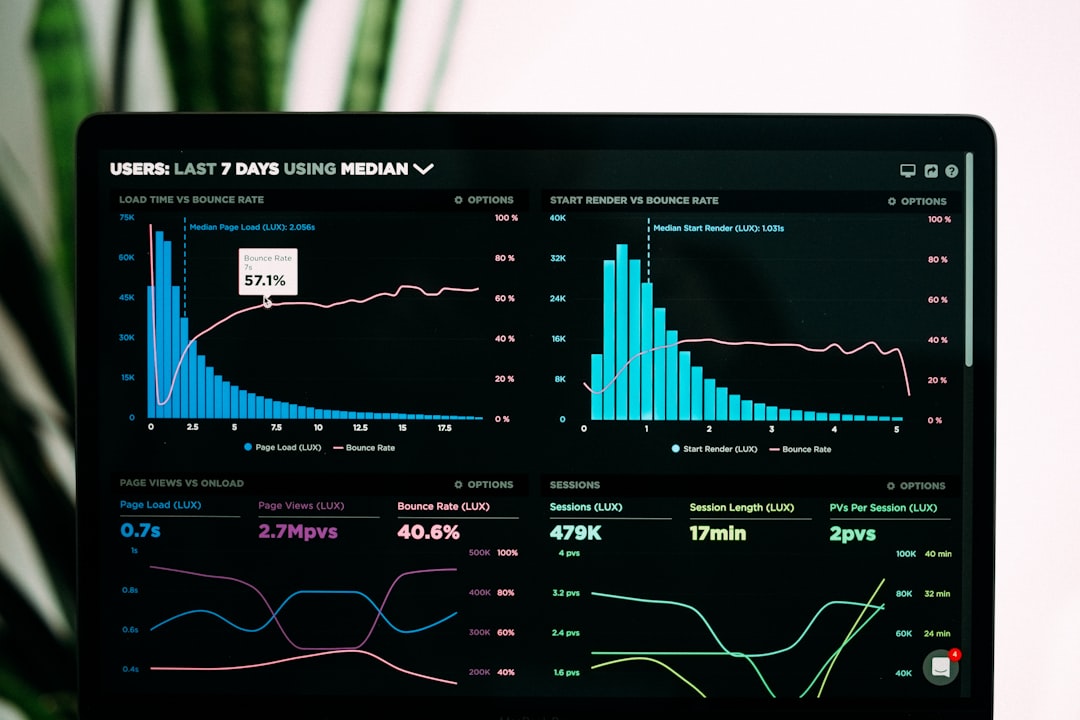
- Metric based boards: These focus on performance indicators, such as cycle time, defects, service levels, incidents, or customer satisfaction.
- Problem solving boards: These highlight root causes, countermeasures, owners, and due dates for improvement actions.
- Hybrid boards: These combine tasks, metrics, risks, and actions in one view for daily team management.
Examples of Huddle Board Sections
A useful huddle board is not necessarily complex. In fact, the best boards are usually simple enough to understand in a few seconds. The following sections are common in agile and operational settings:
- Team goal: A short statement of the current sprint goal, weekly objective, or operational priority.
- Work in progress: Items currently being handled by the team, ideally limited to prevent overload.
- Blockers: Anything preventing work from moving forward, including missing information, dependencies, defects, or approvals.
- Metrics: A small set of meaningful measures, such as completed stories, lead time, escaped defects, or incident count.
- Risks and escalations: Issues that require leadership attention, cross team coordination, or urgent decisions.
- Actions: Specific follow up tasks with named owners and due dates.
- Improvements: Ideas from retrospectives, lessons learned, or process experiments.
The board should answer the practical question: What does this team need to know today to perform well? Anything that does not support that question should be reconsidered.
How Agile Teams Use Huddle Boards
Agile teams usually use huddle boards during the daily standup. The meeting is brief, often 10 to 15 minutes, and the board guides the conversation. Rather than reporting to a manager, team members inspect the flow of work together.
A typical agile huddle might follow this pattern:
- Review the goal: The team confirms the sprint goal or immediate delivery priority.
- Walk the board: The discussion moves from items closest to completion backward, focusing on finishing work rather than starting more.
- Identify blockers: Any stuck item is marked clearly and assigned an owner for resolution.
- Check capacity: The team considers whether work is balanced or whether someone needs support.
- Confirm actions: The huddle ends with clear next steps, owners, and expected follow up.
This approach supports core agile principles: transparency, inspection, adaptation, and collaboration. It also helps teams limit work in progress. Too much active work is a common cause of delays, context switching, and unfinished deliverables. A well maintained huddle board makes overcommitment visible.
Physical vs Digital Huddle Boards
A physical huddle board can be a whiteboard, wall chart, magnetic board, or paper based display. Physical boards work well for co located teams because they are highly visible and encourage face to face discussion. They are also quick to update and difficult to ignore when placed in the team’s workspace.
Digital huddle boards are better for remote or hybrid teams. They can integrate with project management tools, issue trackers, dashboards, and reporting systems. They also provide history, searchability, and access across locations. However, digital boards can become cluttered if teams add too many fields, labels, or automated notifications.

The best choice depends on the team’s environment. Some organizations use a hybrid model: a digital system for record keeping and a simplified physical or shared screen view for daily discussion.
Best Practices for Effective Daily Visual Management
To make a huddle board effective, teams should treat it as a management system, not just a display. The following practices are especially important:
- Keep it current: Update the board before or during the huddle so decisions are based on accurate information.
- Use clear visual signals: Colors, icons, swimlanes, or tags can highlight blocked items, urgent work, or aging tasks.
- Limit information: Too much detail reduces clarity. Show what drives action, not everything that could be measured.
- Assign ownership: Every action, blocker, or escalation should have a named owner.
- Focus on flow: Discuss how work moves through the system, not only what each person is doing.
- Review and improve: Periodically ask whether the board still reflects how the team works and what it needs to manage.
Common Mistakes to Avoid
One mistake is using the huddle board as a surveillance tool. If team members feel the board exists only to monitor individual productivity, they may stop raising problems openly. A healthy huddle board encourages learning and collaboration, not blame.
Another mistake is allowing the board to become too complicated. When every stakeholder wants another metric or category added, the board can lose its purpose. The most effective boards are selective and action oriented.
Finally, teams should avoid discussing every detail during the huddle. The meeting should identify what needs attention, not solve every issue in front of everyone. Complex topics can be taken offline with the right people.
Conclusion
A huddle board is a disciplined way to make work, priorities, and problems visible. For agile teams, it strengthens daily standups by shifting the conversation from individual status updates to shared delivery flow. For operational teams, it supports consistent visual management and faster response to performance issues.
Whether physical or digital, a huddle board works best when it is simple, accurate, and actively used. Its real value is not the board itself, but the daily habit it creates: a team looking at the same facts, focusing on the right problems, and agreeing on what to do next.