
RDMS is a short acronym with several legitimate meanings, and its correct interpretation depends heavily on context. In a hospital, it often refers to a professional credential in diagnostic medical imaging. In technology, it may be used for database or device management systems. In business operations, it can describe systems for managing records, documents, risks, or research data.
TLDR: RDMS does not have one universal meaning. In healthcare, it commonly means Registered Diagnostic Medical Sonographer, while in IT it may refer to a relational database management system or a remote device management system. For example, a clinic hiring for “RDMS required” is likely seeking an ultrasound professional with a recognized credential, while a software team discussing “RDMS migration” may mean moving structured data between database platforms. In business, a records team might use RDMS to describe a document control system that reduces retrieval time by 30% or more.
Why the Meaning of RDMS Depends on Context
Acronyms are useful, but they can also create confusion when they cross professional boundaries. RDMS is a good example because it appears in healthcare job descriptions, IT planning documents, business process discussions, and academic data management policies. The letters are the same, but the operational meaning can be entirely different.
The safest way to interpret RDMS is to ask three basic questions: Who is using the term? What problem are they trying to solve? Is the term describing a person, a system, or a process? These questions usually make the intended meaning clear.
RDMS in Healthcare: Registered Diagnostic Medical Sonographer
In healthcare, RDMS most commonly stands for Registered Diagnostic Medical Sonographer. This is a professional credential associated with diagnostic ultrasound practice. Sonographers use ultrasound equipment to create images of internal organs, tissues, blood flow, pregnancies, and other clinical structures. Physicians then use those images to support diagnosis and treatment decisions.
An RDMS credential signals that a sonographer has met specific education, examination, and competency standards. It is especially relevant in areas such as:
- Abdominal sonography, including organs such as the liver, kidneys, pancreas, and gallbladder.
- Obstetric and gynecologic sonography, including pregnancy and pelvic imaging.
- Breast sonography, often used alongside mammography or other diagnostic tools.
- Pediatric sonography, focused on imaging children and infants.
For patients and employers, the credential matters because ultrasound is highly operator-dependent. Image quality, correct anatomical identification, and proper scanning technique can substantially affect the usefulness of the examination. A facility may therefore prefer, or require, RDMS-certified staff to support quality assurance and accreditation standards.

It is important not to confuse RDMS with ARDMS. ARDMS refers to the American Registry for Diagnostic Medical Sonography, a credentialing organization. RDMS is one of the credentials associated with sonography professionals. In practical terms, a job posting that says “RDMS required” is likely referring to the individual’s professional certification, not to a software platform or administrative department.
RDMS in IT: Database and Device Management Meanings
In information technology, RDMS can be used in more than one way. The most common database-related term is actually RDBMS, which stands for Relational Database Management System. However, some people shorten or mistype it as RDMS. This is common enough that IT teams should confirm the intended meaning instead of assuming.
A relational database management system organizes data into tables with rows and columns. It allows users and applications to store, query, update, and manage structured information. Well-known examples include:
- MySQL
- PostgreSQL
- Microsoft SQL Server
- Oracle Database
- MariaDB
In this sense, RDMS or RDBMS is central to many enterprise applications, including banking platforms, hospital information systems, inventory systems, customer relationship management tools, and ecommerce websites. A company might say it is “upgrading the RDMS” when it actually means migrating from one relational database platform to another.
RDMS can also mean Remote Device Management System. This usage is more common in environments that manage large numbers of connected devices, such as mobile phones, tablets, medical devices, point-of-sale terminals, industrial sensors, or smart displays. A remote device management system allows administrators to monitor, configure, secure, update, and troubleshoot devices without physically handling each one.
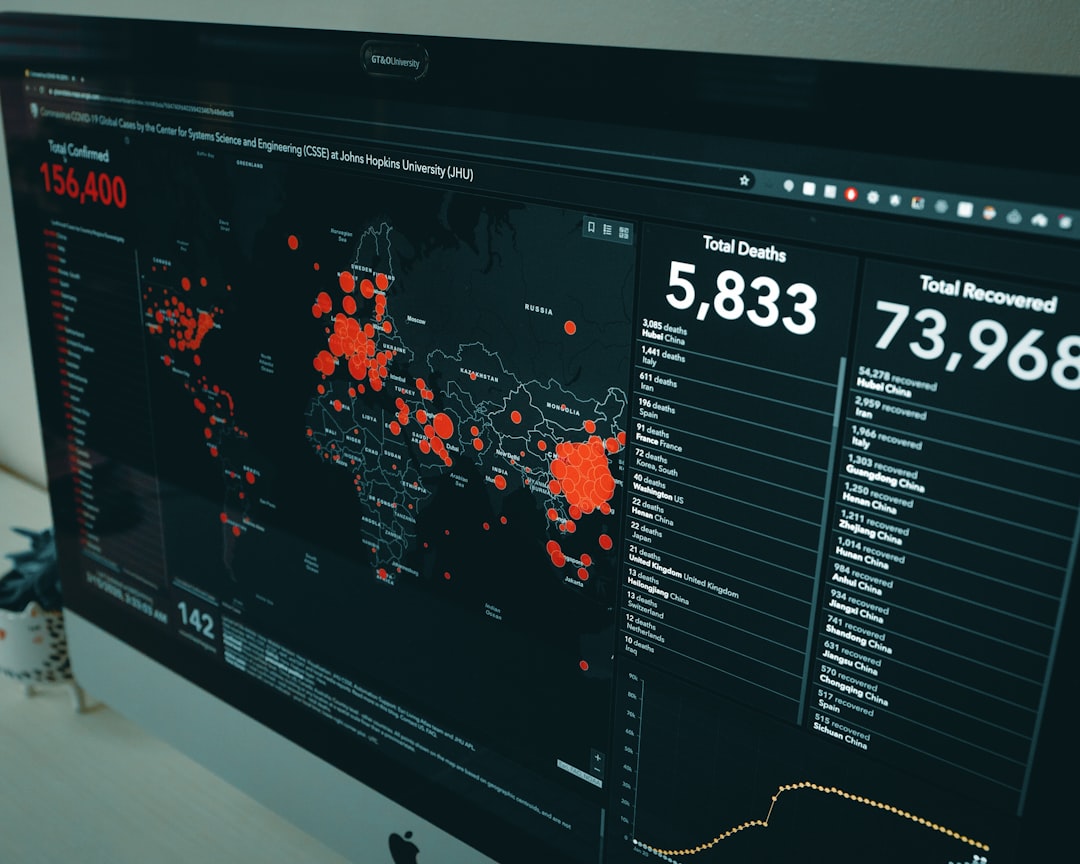
The difference between these IT meanings is significant. A database management system manages data. A remote device management system manages devices. Both may involve security controls, audit logs, user permissions, and compliance obligations, but they serve different technical purposes.
RDMS in Business: Records, Documents, Risk, and Research Data
In business settings, RDMS is often used less formally than in healthcare. It may refer to a Records and Document Management System, a Research Data Management System, or a Risk Data Management System. The exact meaning depends on the industry and department using the acronym.
A Records and Document Management System helps organizations store, classify, retrieve, retain, and dispose of business documents. This may include contracts, invoices, policies, HR files, regulatory records, engineering drawings, and correspondence. In regulated sectors, document control is not simply an administrative convenience; it is part of compliance and legal defensibility.
Common features of a records or document-oriented RDMS include:
- Version control to prevent confusion between draft and approved files.
- Access permissions to protect confidential or sensitive information.
- Retention schedules to determine how long records must be kept.
- Search and indexing to improve retrieval speed.
- Audit trails to show who viewed, changed, approved, or deleted a record.
In universities, laboratories, and research-driven organizations, RDMS may mean Research Data Management System. These systems support the full lifecycle of research data, from collection and storage to documentation, sharing, archiving, and controlled reuse. They are especially important when grant funders, ethics committees, or journals require clear data management plans.
In financial services, insurance, and enterprise governance, RDMS may refer to a Risk Data Management System. Such systems collect and organize risk-related information so that decision-makers can identify exposures, monitor controls, and report risk indicators. This may include operational risk events, vendor risk scores, cybersecurity incidents, credit risk data, or regulatory findings.
How to Identify the Correct RDMS Meaning
Because RDMS is context-sensitive, precision matters. Misunderstanding the acronym can lead to hiring errors, technical miscommunication, procurement mistakes, or compliance gaps. A healthcare recruiter, for example, should not interpret RDMS as a database system. Likewise, a software architect should not assume that every RDMS reference relates to medical credentials.
Use these practical checks:
- Look at the industry. Healthcare usually points to Registered Diagnostic Medical Sonographer; IT may point to databases or remote devices; business operations may point to records or risk.
- Look at the surrounding words. Terms such as “credential,” “ultrasound,” and “ARDMS” indicate healthcare. Terms such as “SQL,” “tables,” and “migration” suggest database management.
- Identify whether RDMS is a person or a platform. A person can hold an RDMS credential; a company can implement an RDMS platform.
- Ask for the expanded form. In contracts, job descriptions, policies, and technical documents, acronyms should be defined on first use.
Why Clear Definitions Matter
Clear terminology is not just a writing preference; it affects real operational decisions. If a hospital states that an imaging role requires RDMS certification, that requirement influences hiring, patient care quality, and credential verification. If an IT department plans an RDMS migration, the organization must understand whether the project involves structured data, connected devices, security policies, or all of these.
Similarly, if a business invests in an RDMS for document control, the expected outcome may include faster audits, fewer lost files, better retention compliance, and reduced legal exposure. But if stakeholders define RDMS differently, the chosen system may not meet the actual business need.
Bottom Line
RDMS can mean different things across healthcare, IT, and business. In healthcare, it most often refers to a Registered Diagnostic Medical Sonographer, a credentialed ultrasound professional. In IT, it may refer to a relational database management system, although RDBMS is the more accurate abbreviation, or to a remote device management system. In business, RDMS may describe systems for managing records, research data, documents, or risk information.
The best practice is simple: do not rely on the acronym alone. Define RDMS clearly, confirm the professional context, and use the full term when accuracy matters. This approach reduces ambiguity and helps teams make better clinical, technical, and organizational decisions.