
For businesses that depend on local discovery, accurate listings, review visibility, and map performance can directly influence calls, visits, and sales. Moz Local remains a familiar option for managing business data across directories, but many teams compare it with other platforms that offer broader review tools, reporting, automation, or enterprise controls.
TLDR: The best Moz Local alternative depends on business size, budget, and workflow. BrightLocal is strong for agencies and audits, Yext suits enterprise listing control, and Semrush Listing Management works well for teams already using Semrush. Businesses focused heavily on reviews may prefer Birdeye, while local SEO specialists often value Whitespark for citations and rankings.
What to Look for in a Moz Local Alternative
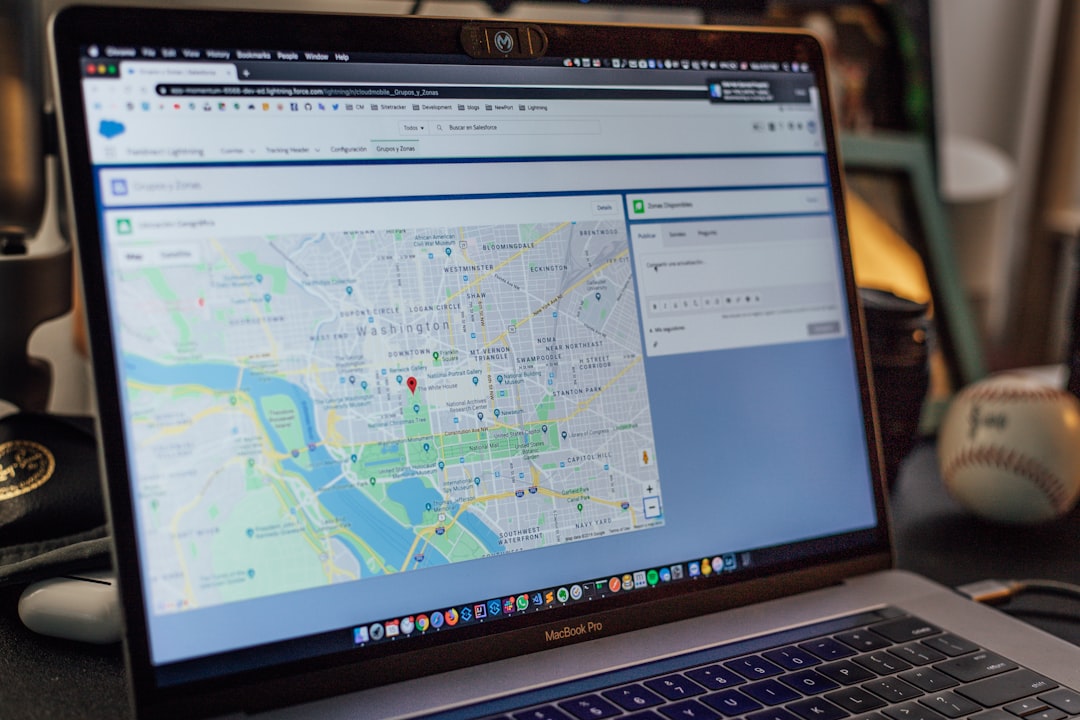
A good local SEO platform should do more than push a company’s name, address, and phone number to directories. It should help maintain NAP consistency, monitor rankings, manage reviews, identify listing errors, and report progress clearly. The right choice usually depends on whether the user is a single-location business, a multi-location brand, or an agency managing many clients.
- Listing management: Distribution to key directories, data aggregators, maps, and local apps.
- Review management: Monitoring, response tools, sentiment tracking, and review generation.
- Local rank tracking: Visibility across ZIP codes, neighborhoods, and map packs.
- Reporting: Clear dashboards for calls, clicks, rankings, reviews, and listing accuracy.
- Scalability: Support for agencies, franchises, and multi-location brands.
1. BrightLocal
BrightLocal is one of the most popular Moz Local alternatives for agencies, consultants, and small businesses. It combines citation tracking, local rank tracking, GBP audits, review monitoring, and white-label reporting in one platform. Its strength lies in practical local SEO diagnostics rather than only directory distribution.
BrightLocal is especially useful for teams that need to prove progress to clients. Reports can show ranking changes, citation issues, Google Business Profile performance, and review trends. It also allows citation building as a service, which can be useful when a business wants manual cleanup rather than relying only on automated syndication.
Best for: agencies, consultants, and small businesses needing audits and reports.
Potential drawback: some citation services and campaigns may require separate fees.
2. Yext
Yext is a powerful platform for large brands that need fast, centralized control over business information across many publishers. It is often used by enterprise companies with dozens, hundreds, or thousands of locations. Yext’s biggest advantage is its direct network and ability to update listings quickly across supported platforms.
Beyond listings, Yext offers knowledge graph management, search experiences, review monitoring, and analytics. It can help ensure consistent business facts across digital touchpoints, which is valuable for regulated industries, franchises, healthcare networks, banks, and retailers.
Best for: enterprise and multi-location businesses.
Potential drawback: pricing can be high, and some listings may depend on an active subscription for continued control.
3. Semrush Listing Management
Semrush Listing Management is a convenient alternative for businesses already using Semrush for SEO, PPC, or competitive research. Powered through a listing distribution network, it helps manage business information across directories while adding review management and local visibility features in select plans.
Its main advantage is convenience. A marketing team can combine broader SEO research with local listing management, reducing the need to switch between multiple platforms. For small and mid-sized businesses, this can be an efficient way to connect local SEO with keyword research, competitor analysis, and site audits.
Best for: businesses already invested in Semrush.
Potential drawback: local features may not be as specialized as dedicated local SEO platforms.
4. Birdeye
Birdeye is more than a listings platform; it is a reputation and customer experience solution. It includes review requests, review monitoring, messaging, surveys, social posting, referrals, and business listings. For companies where trust signals drive conversions, Birdeye can be a strong Moz Local alternative.
Its review generation tools are particularly valuable for service businesses such as dental practices, legal firms, home services, and healthcare providers. Instead of focusing only on listing accuracy, Birdeye helps businesses collect more feedback, respond faster, and understand customer sentiment.

Best for: businesses prioritizing reputation management and customer communication.
Potential drawback: it may be more platform than needed for companies seeking only citation management.
5. Whitespark
Whitespark is respected by local SEO professionals for citation building, local rank tracking, and Google Business Profile tools. It has a more specialist feel than broad marketing suites and is often chosen by teams that understand local ranking factors deeply.
Whitespark’s local citation finder helps identify where competitors are listed and where a business may be missing opportunities. Its rank tracker provides granular local performance insights, including map rankings by location. For campaigns where precision matters, Whitespark can be a strong choice.
Best for: local SEO specialists and citation-focused campaigns.
Potential drawback: it may require more hands-on local SEO knowledge than simpler tools.
6. Synup
Synup offers listings, reputation management, social posting, review monitoring, and analytics. It is designed for brands and agencies that want a centralized system for local visibility across multiple channels. Its dashboard makes it easier to monitor updates, customer feedback, and location-level performance.
Synup can be a practical option for businesses that need more than citations but do not require the full enterprise complexity of some larger platforms. Agencies may also appreciate its white-label and client management features.
Best for: agencies and multi-location businesses needing listings plus reputation features.
Potential drawback: feature depth and pricing should be compared carefully against specific business needs.
7. Uberall
Uberall is built for location marketing at scale. It helps brands manage listings, local pages, reviews, and customer engagement across many locations. For international or multi-region businesses, it offers the kind of centralized control needed to maintain consistent location data in competitive markets.
Uberall is often compared with enterprise platforms because it supports complex location structures and brand governance. It can be a strong option for retailers, restaurants, service chains, and franchises that need local consistency across many markets.
Image not found in postmetaBest for: franchises, retailers, and enterprise location marketing.
Potential drawback: it may be excessive for single-location businesses.
Quick Comparison
- Best all-around agency option: BrightLocal
- Best enterprise listing control: Yext
- Best for existing SEO workflows: Semrush Listing Management
- Best for reviews and reputation: Birdeye
- Best for citation research: Whitespark
- Best for multi-location engagement: Synup or Uberall
How Businesses Should Choose
The best Moz Local alternative is not always the most feature-rich platform. A single-location business may need affordable listing cleanup, review monitoring, and simple reports. An agency may value white-label dashboards, citation campaigns, and local rank tracking. An enterprise brand may need permission controls, bulk editing, integrations, and fast syncing across hundreds of locations.
Before choosing, decision-makers should compare publisher networks, contract terms, data ownership, review tools, reporting quality, and support. It is also important to understand whether listings remain stable after cancellation or whether ongoing subscription control is required. The strongest platform is the one that matches the business’s operational needs, not simply the one with the longest feature list.
Final Verdict
For many small businesses and agencies, BrightLocal is the most balanced Moz Local alternative because it combines audits, rankings, citations, and reporting at accessible pricing. Yext and Uberall are better suited for enterprise location management, while Birdeye stands out when reviews are central to growth. Whitespark remains a favorite for serious citation and local ranking work, and Semrush Listing Management is a practical choice for teams already using the Semrush ecosystem.
FAQ
What is the best overall Moz Local alternative?
BrightLocal is often the best overall alternative for agencies and small businesses because it offers local audits, rank tracking, citation tools, and reporting in one platform.
Which Moz Local alternative is best for enterprise businesses?
Yext and Uberall are strong enterprise options. They are designed for multi-location brands that require centralized control, scalable workflows, and consistent location data.
Which platform is best for review management?
Birdeye is one of the strongest choices for review generation, monitoring, responses, messaging, and customer experience management.
Is Semrush Listing Management a good replacement for Moz Local?
Yes, especially for businesses already using Semrush. It provides listing management and local visibility features while fitting into a broader SEO workflow.
Do all local SEO platforms update the same directories?
No. Each platform has its own publisher network, data partners, and coverage. Businesses should compare supported directories before subscribing.
What should a small business choose?
A small business should usually prioritize affordability, accurate listings, review monitoring, and simple reporting. BrightLocal, Whitespark, and Semrush Listing Management are common starting points.