Modern organizations generate more data than ever, but value only appears when teams can understand it, act on it, and repeat successful decisions at scale. MindFuel.ai is positioned as a productivity and intelligence platform that brings together analytics dashboards, AI insights, and automation tools so teams can move from raw information to measurable action with less friction.
TLDR: MindFuel.ai helps teams monitor performance, identify opportunities, and automate repetitive workflows from one connected platform. For example, a sales operations team could use a dashboard to discover that lead response time increased by 18%, receive an AI recommendation to prioritize high-intent leads, and automate follow-up reminders for every lead older than 24 hours. The result is a clearer decision process, fewer manual tasks, and faster execution across departments.
Analytics Dashboards Built for Clarity
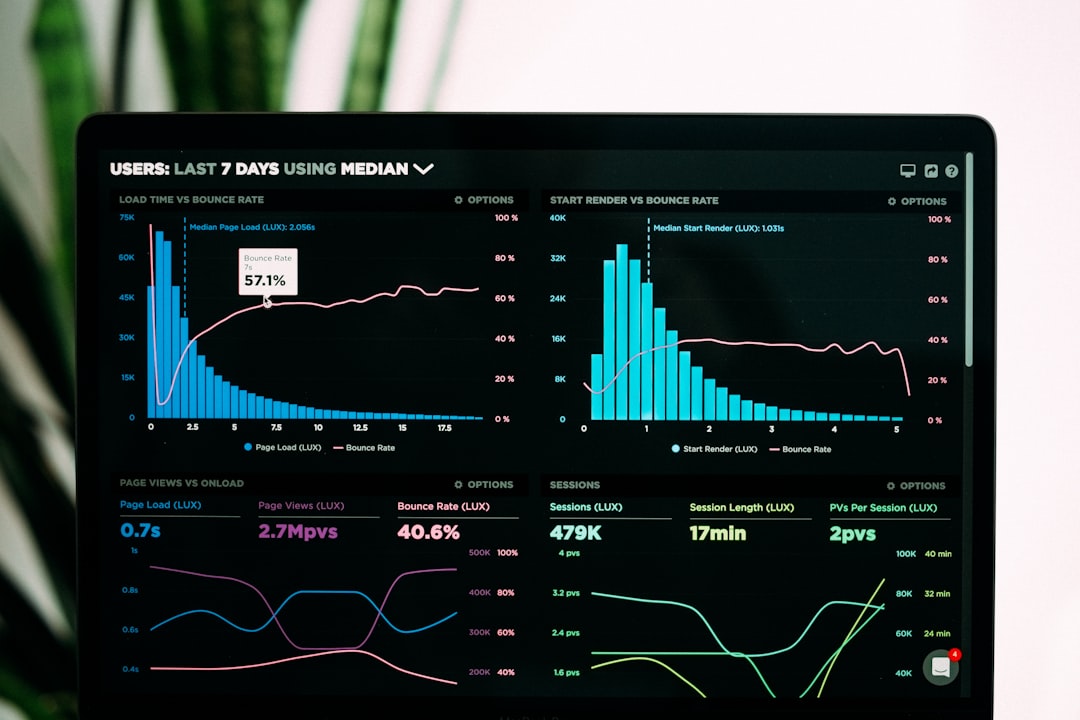
The analytics dashboard experience in MindFuel.ai is designed to make business data easier to interpret. Instead of forcing teams to move between disconnected spreadsheets, reports, and software tools, dashboards can present key metrics in one structured view. This allows decision-makers to monitor progress, compare trends, and identify weak points without waiting for a manual report to be assembled.
Dashboards are especially useful when they bring together both high-level summaries and detailed breakdowns. A marketing leader may want to see campaign ROI, cost per lead, website conversions, and email engagement in one place. A customer success manager may care more about churn risk, ticket volume, renewal probability, and customer health scores. MindFuel.ai’s dashboard approach supports this kind of role-specific visibility by focusing on the metrics that matter most to each team.
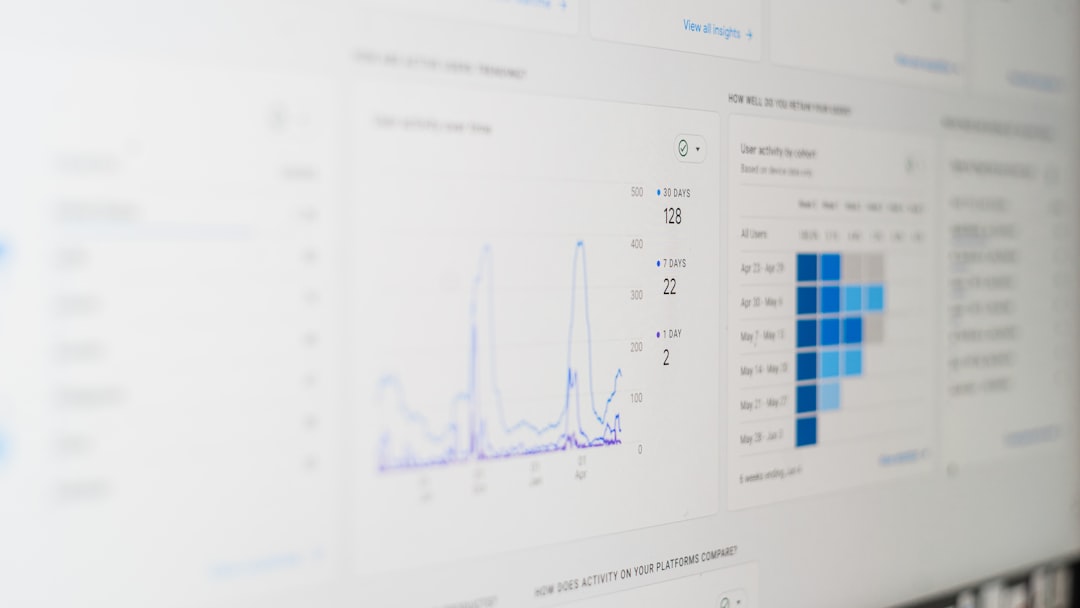
Key dashboard capabilities may include:
- Custom KPI tracking: Teams can follow the indicators most relevant to their goals, such as revenue growth, pipeline velocity, support resolution time, or campaign performance.
- Real-time or near real-time updates: Fresh data helps teams respond to performance changes before small issues become larger problems.
- Visual reporting: Charts, tables, trend lines, and scorecards make information easier to digest than rows of raw numbers.
- Segmented views: Users can compare results by region, product, channel, department, or customer type.
- Performance alerts: When a metric rises or drops beyond an expected range, stakeholders can be notified quickly.
The most valuable dashboards do more than display numbers. They create alignment. When everyone works from the same data source, teams can reduce confusion, minimize duplicate analysis, and improve the quality of planning meetings. Instead of debating which spreadsheet is correct, departments can focus on what the trends actually mean.
AI Insights That Surface What Matters
Analytics dashboards show what is happening, but AI insights help explain why it may be happening and what action could come next. MindFuel.ai’s AI-driven insight layer can transform business data into useful observations by detecting patterns, anomalies, correlations, and potential risks.
For example, if website traffic remains steady while conversions decline, the platform may highlight a specific landing page, audience segment, or campaign source contributing to the drop. If customer support tickets increase after a product update, AI insights may connect that rise to a recurring issue category. This kind of pattern recognition can save hours of manual analysis.
AI insights can support several business functions:
- Sales teams can identify which leads are most likely to convert based on engagement patterns and historical deal behavior.
- Marketing teams can see which audiences, messages, or channels are producing the strongest results.
- Operations teams can uncover process delays, resource bottlenecks, or recurring workflow inefficiencies.
- Customer success teams can detect churn signals and prioritize accounts that need attention.
- Executives can receive summarized insights that connect department-level activity to strategic business outcomes.

A major advantage of AI insights is speed. Traditional analysis often requires data exports, formulas, cross-functional meetings, and interpretation by specialists. AI can help reduce that cycle by offering plain-language summaries and suggested next steps. While human review remains important, the AI layer can act as an intelligent filter, helping teams concentrate on the points most likely to influence outcomes.
MindFuel.ai may also help teams move from reactive reporting to predictive planning. Instead of only reviewing what happened last month, users can examine likely future scenarios. For instance, if a dashboard shows that a sales pipeline is 12% below target and AI models predict slower deal closure in a specific segment, leadership can adjust priorities before the quarter ends.
Automation Tools for Faster Execution
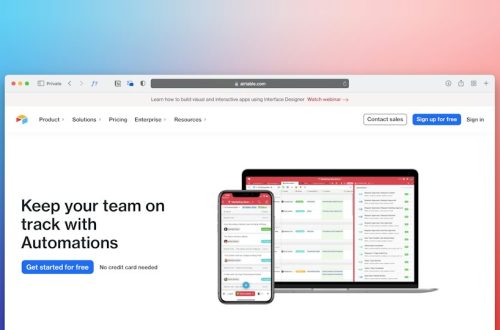
Insights become more valuable when they lead to timely action. MindFuel.ai’s automation tools are intended to reduce repetitive manual work and help teams respond consistently to business events. Automation can be especially powerful when connected directly to analytics and AI recommendations.
In a typical workflow, a team might define a rule such as: if a high-value prospect downloads a pricing guide and does not receive a response within two hours, the platform automatically creates a task, notifies the assigned representative, and adds the contact to a follow-up sequence. This ensures important opportunities are not missed simply because someone forgot to check a report.
Common automation use cases include:
- Lead routing: Assigning prospects to the right sales representative based on region, company size, intent score, or product interest.
- Task creation: Automatically generating tasks when a metric changes, a customer reaches a risk threshold, or a campaign milestone is reached.
- Notification workflows: Sending alerts to managers or team members when urgent conditions appear.
- Report scheduling: Delivering recurring summaries to stakeholders without manual preparation.
- Customer engagement triggers: Starting emails, reminders, or review requests based on customer behavior.
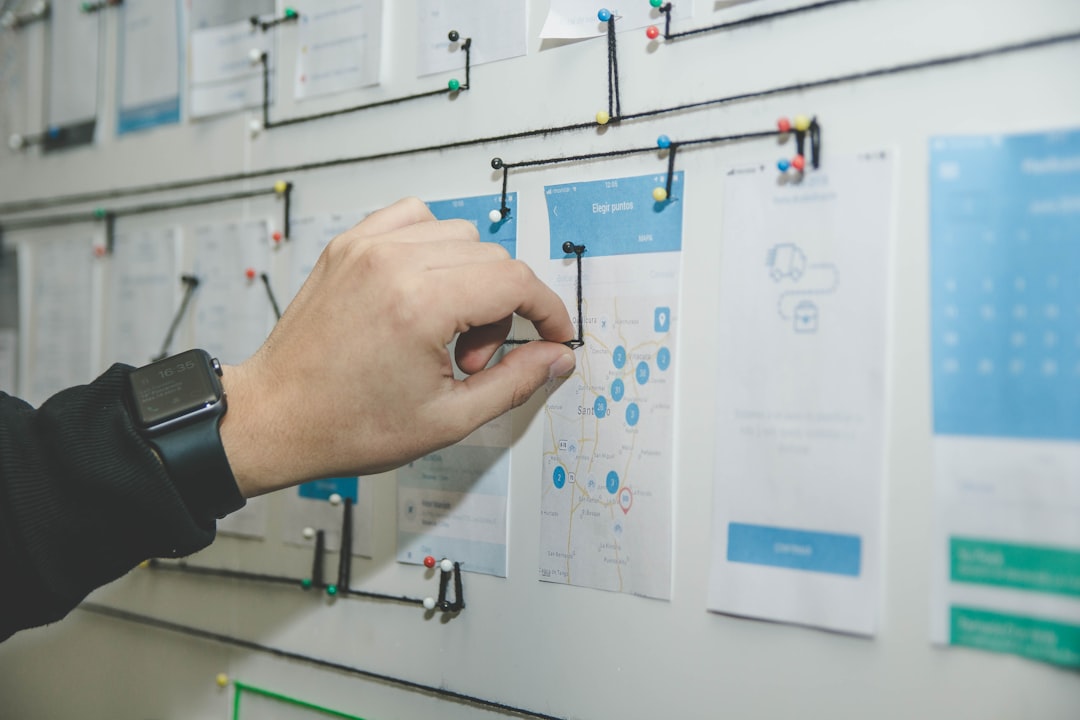
Automation also contributes to consistency. Manual processes often vary from person to person, which can create gaps in customer experience, reporting accuracy, and internal accountability. Automated workflows help standardize the steps that should happen every time, while still leaving room for human judgment where it is needed most.
How the Features Work Together
The strongest value of MindFuel.ai comes from the connection between dashboards, insights, and automation. Each feature supports a different part of the decision cycle. Dashboards show the current state of performance. AI insights interpret the data and highlight meaningful patterns. Automation tools help teams act on those insights quickly and repeatedly.
Consider a customer retention scenario. The analytics dashboard shows that renewal rates have dropped from 91% to 84% over two quarters. AI insights identify that customers with low product usage in the first 30 days are three times more likely to cancel. Automation then creates onboarding check-ins for accounts that fall below the usage benchmark, alerts customer success managers, and schedules educational follow-up messages.
This connected workflow turns data into action. More importantly, it reduces the time between discovering a problem and solving it. That speed can be a major advantage in competitive markets, where delayed decisions often lead to lost revenue, lower satisfaction, or missed opportunities.
Why Teams May Benefit from MindFuel.ai
MindFuel.ai is most useful for organizations that want to improve data visibility, reduce operational drag, and make decisions with more confidence. It can support growing companies that need better reporting discipline, as well as established teams that want to modernize how they analyze and respond to performance data.
Potential benefits include:
- Better decision-making through clearer performance visibility.
- Faster analysis with AI-generated observations and summaries.
- Improved accountability through shared dashboards and measurable KPIs.
- Less manual work by automating repetitive reporting and follow-up tasks.
- More proactive planning by identifying risks before they become critical.
For many teams, the challenge is not a lack of data. The challenge is too much data spread across too many systems. MindFuel.ai addresses that challenge by helping teams organize information, understand its meaning, and respond with structured action. When implemented thoughtfully, it can become a central layer for operational intelligence and daily execution.
FAQ
What is MindFuel.ai used for?
MindFuel.ai is used to help teams analyze business data, uncover AI-driven insights, and automate workflows based on performance signals and user-defined rules.
Who can benefit from MindFuel.ai?
Sales, marketing, operations, customer success, and leadership teams can benefit from its dashboards, insights, and automation features.
How do AI insights differ from regular reporting?
Regular reporting shows what happened, while AI insights can help explain patterns, detect anomalies, and suggest possible next actions.
Can MindFuel.ai reduce manual work?
Yes. Its automation tools can handle recurring tasks such as alerts, report delivery, task creation, lead routing, and follow-up triggers.
Why are analytics dashboards important?
Analytics dashboards give teams a shared view of key metrics, making it easier to track progress, identify issues, and make informed decisions.