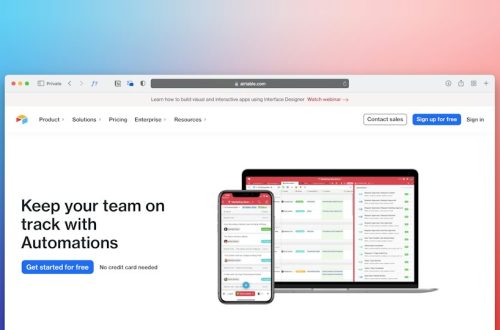
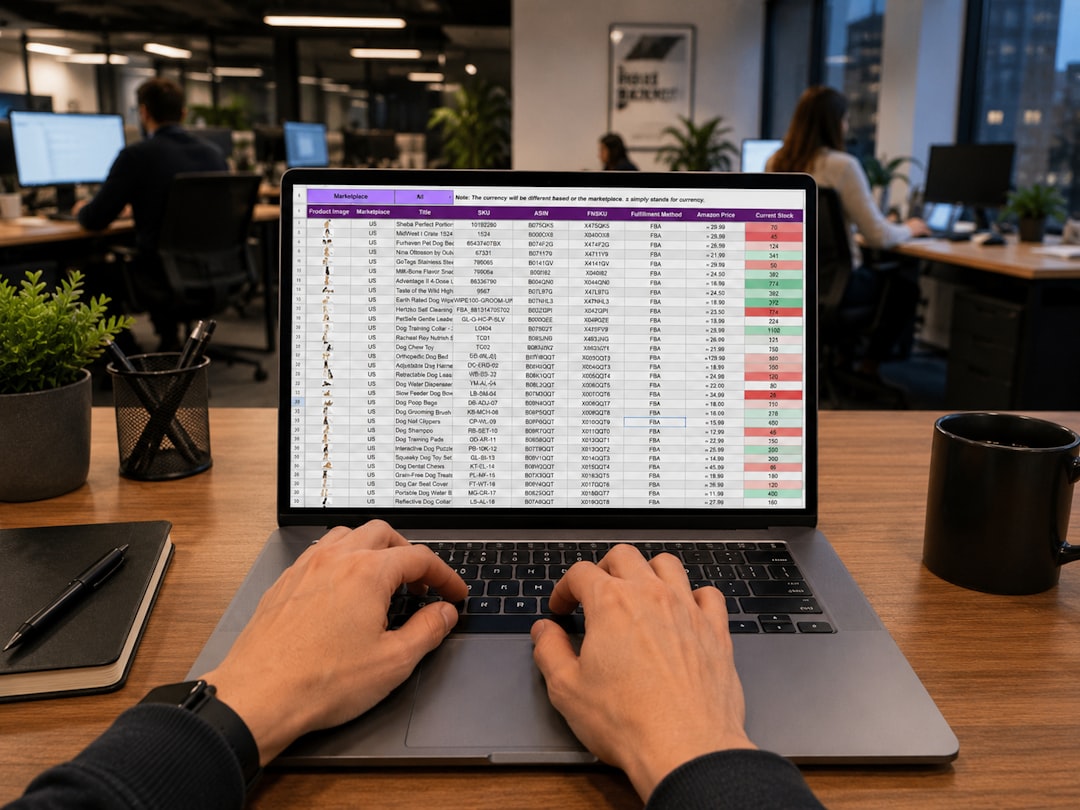
Productivity is no longer defined only by how quickly people complete tasks. In modern organizations, it depends on how well information moves, how consistently decisions are made, and how effectively teams avoid repetitive work. AI workflow optimization addresses these challenges by using artificial intelligence to analyze, automate, and improve business processes across departments.
TLDR: AI workflow optimization improves productivity by automating repetitive tasks, reducing delays, and helping teams make faster, data driven decisions. For example, a customer support team using AI to classify tickets and suggest responses may reduce average response time by 30% to 50% while allowing agents to focus on complex cases. The biggest gains come when AI is used not as a replacement for employees, but as a structured assistant that improves how work flows from start to finish.
What AI Workflow Optimization Means
AI workflow optimization is the use of artificial intelligence to improve the way tasks, approvals, communication, and data move through an organization. Unlike simple automation, which follows fixed rules, AI can identify patterns, predict bottlenecks, and recommend better ways to complete work.
For example, a traditional automation tool may send an invoice to a manager for approval. An AI optimized workflow can go further: it can detect missing information, compare the invoice against purchase orders, flag unusual amounts, and route it to the right approver based on historical behavior and urgency.
This makes AI particularly valuable in environments where work is repetitive but still requires judgment, such as finance, customer service, HR, marketing, operations, and project management.
How AI Improves Productivity
One of the clearest benefits of AI workflow optimization is the reduction of low value manual tasks. Employees often spend a large portion of their day searching for information, updating systems, writing routine messages, or checking data for errors. These activities are necessary, but they do not always require human expertise.
AI can help by taking over or accelerating tasks such as:
- Sorting and prioritizing emails, tickets, or requests based on topic, urgency, and customer value.
- Extracting data from contracts, invoices, forms, and reports.
- Generating first drafts of messages, summaries, presentations, and internal updates.
- Scheduling and task assignment based on workload, deadlines, and employee availability.
- Monitoring workflow performance to detect delays before they become serious problems.
When these tasks are optimized, employees gain more time for strategic work, problem solving, customer interaction, and innovation. The result is not simply faster work, but better allocation of human attention.
Reducing Bottlenecks and Operational Delays
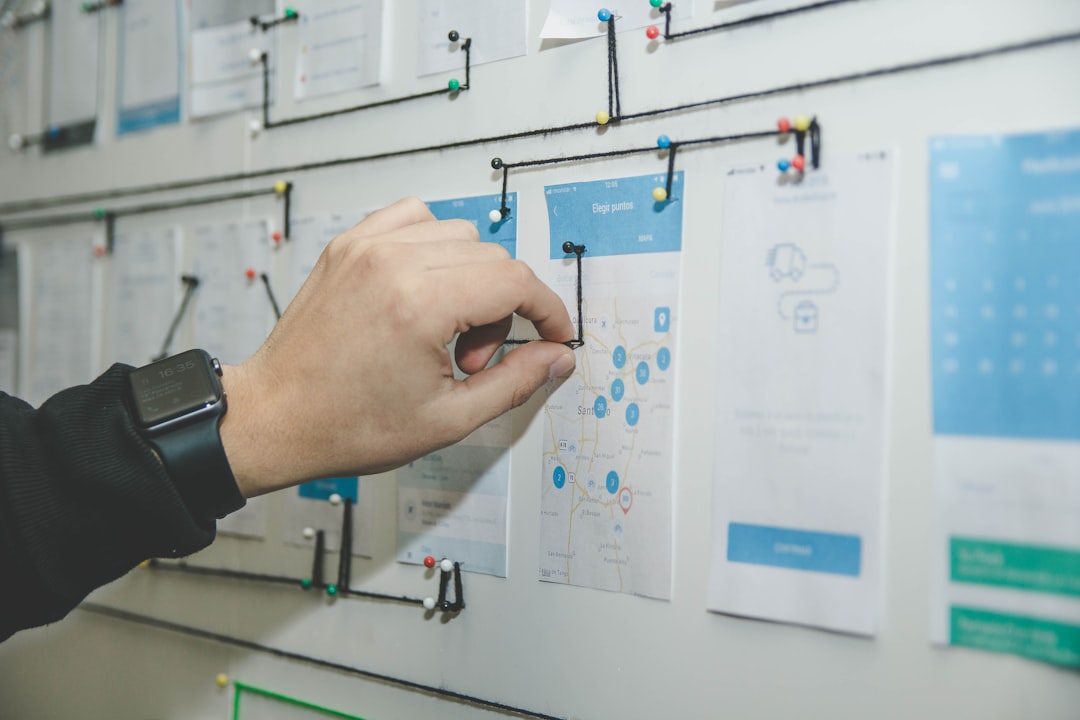
Many productivity problems come from hidden bottlenecks. A request may wait too long for approval, a team may lack visibility into task status, or a process may depend on one person who is overloaded. AI can analyze workflow data to find these friction points and suggest improvements.
For instance, AI may reveal that procurement approvals slow down every Friday afternoon, or that sales proposals above a certain value take twice as long because they require additional legal review. With this information, managers can redesign the process, adjust staffing, or create conditional routing rules.
This type of insight is especially useful because most organizations do not suffer from a lack of effort. They suffer from process inefficiency. AI helps leaders see where time is actually being lost and which improvements will have the greatest impact.
Improving Decision Making With Better Data
Efficient workflows depend on accurate and timely decisions. AI supports this by collecting, organizing, and interpreting large volumes of operational data. Instead of relying only on manual reporting or intuition, teams can use AI generated insights to decide what should happen next.
In project management, AI can predict whether a deadline is at risk based on task completion rates, resource availability, and past project patterns. In sales, AI can rank leads according to conversion probability. In manufacturing or logistics, AI can anticipate equipment issues, shipment delays, or demand changes.
The advantage is not only speed. It is also consistency. When AI applies the same analytical standards across many cases, organizations reduce the risk of decisions being influenced by fatigue, incomplete information, or inconsistent judgment.
Enhancing Collaboration Across Teams
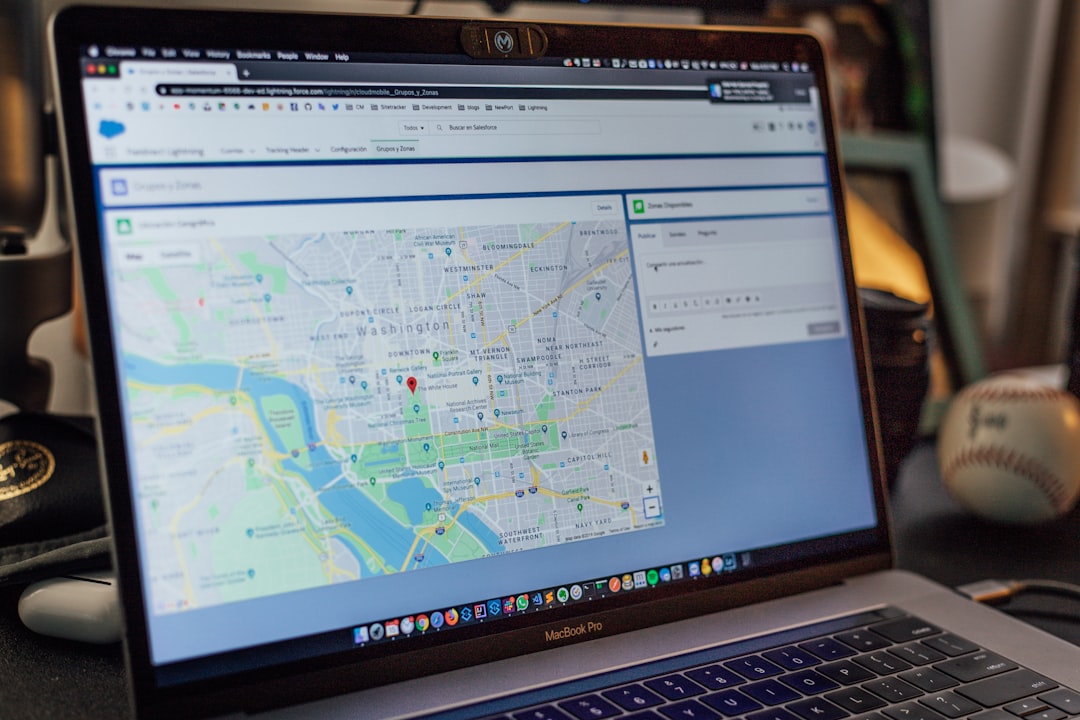
Productivity often declines when teams work in isolated systems or communicate through scattered channels. AI workflow optimization can improve collaboration by making information easier to find, summarizing conversations, and ensuring that the right people receive the right updates.
For example, after a client meeting, AI can summarize key decisions, identify action items, assign owners, and update the project management system. Instead of relying on one person to manually write notes and distribute them, the workflow becomes more reliable and transparent.
AI can also reduce unnecessary meetings by creating concise summaries of long email threads, chat discussions, or project updates. This enables employees to stay informed without spending excessive time reviewing every detail.
Use Case: Customer Support Workflow Optimization
Consider a mid sized software company receiving 2,000 customer support tickets per month. Before using AI, agents manually read each ticket, categorized the issue, searched the knowledge base, and wrote replies from scratch. Average first response time was 10 hours, and managers struggled to identify recurring product issues.
After implementing AI workflow optimization, incoming tickets were automatically classified by product area, urgency, and customer type. The system recommended knowledge base articles, drafted initial responses, and escalated high risk accounts to senior agents. Within three months, the company reduced first response time from 10 hours to 5.8 hours, improved ticket routing accuracy by 42%, and identified three recurring issues that the product team could fix.
This scenario shows how AI can improve both efficiency and quality. The support team did not simply answer tickets faster; it gained clearer visibility into customer needs and product weaknesses.
Key Benefits for Organizations
The value of AI workflow optimization can be measured in several practical ways:
- Time savings: Employees spend fewer hours on repetitive administrative work.
- Lower error rates: AI can detect missing data, inconsistencies, and unusual patterns before they cause problems.
- Faster response times: Requests, approvals, and customer interactions move through the system more quickly.
- Better resource allocation: Managers can assign work based on capacity, skills, and priority.
- Greater process visibility: Leaders can see where work stands and where improvements are needed.
These benefits are particularly important in competitive markets, where small process improvements can lead to meaningful gains in customer satisfaction, employee morale, and operating costs.
Risks and Practical Considerations
Despite its advantages, AI workflow optimization should be implemented carefully. Poorly designed AI systems can create confusion, reinforce inaccurate data, or automate flawed processes. Before introducing AI, organizations should review the workflow itself and determine whether it is logical, measurable, and aligned with business goals.
Data quality is also critical. AI depends on accurate inputs. If customer records, task histories, or process data are incomplete, the recommendations may be unreliable. Organizations should establish clear standards for data governance, access permissions, and performance monitoring.
Human oversight remains essential. AI can recommend, route, draft, and analyze, but employees should remain responsible for sensitive decisions, ethical judgment, and final accountability. The most reliable model is a human in the loop approach, where AI supports people rather than replacing their expertise.

Best Practices for Getting Started
Organizations do not need to transform every workflow at once. A focused, measurable approach is usually more effective. Start by identifying processes that are repetitive, high volume, and clearly measurable. Examples include invoice processing, employee onboarding, lead qualification, support ticket routing, or internal reporting.
Next, define success metrics before implementation. These may include cycle time, cost per transaction, error rate, response time, employee workload, or customer satisfaction. Clear metrics help determine whether the AI workflow is genuinely improving performance.
It is also important to involve the employees who understand the workflow best. Their practical knowledge can reveal exceptions, risks, and improvement opportunities that may not be obvious from process diagrams alone.
Conclusion
AI workflow optimization can significantly improve productivity and efficiency by reducing repetitive work, identifying bottlenecks, improving decision making, and strengthening collaboration. Its greatest value comes from combining automation with intelligence: not only completing tasks faster, but making the entire workflow smarter and more adaptable.
For serious organizations, AI should be treated as a strategic operational tool rather than a trend. When implemented with clear goals, strong data practices, and human oversight, it can help teams work with greater speed, accuracy, and focus.