Meltwater is usually the better Brandwatch alternative for PR-led teams, while Brandwatch suits research teams that need deeper consumer intelligence. Both platforms monitor brands across social, news, blogs, forums, and online media, but they are built with different priorities. Brandwatch is stronger for detailed audience analysis and trend discovery. Meltwater is stronger for media monitoring, journalist outreach, and executive reporting.
TLDR: A mid-sized retail brand tracking 25,000 monthly mentions may choose Meltwater if its main goal is to spot negative press, brief executives, and contact journalists fast. The same brand may choose Brandwatch if it needs to compare sentiment by product line, audience group, or region with more advanced filters. In a simple workflow test, PR teams often save time with Meltwater because monitoring, clipping, and reporting sit closer together. Research teams may accept extra setup time in Brandwatch because the analysis can go deeper.
Brandwatch vs Meltwater: quick comparison
- Best for PR and communications: Meltwater
- Best for consumer insights: Brandwatch
- Best for media relations: Meltwater
- Best for social listening depth: Brandwatch
- Best for faster executive reporting: Meltwater
- Best for advanced query building: Brandwatch
Brandwatch and Meltwater both cover brand monitoring, but the day-to-day experience feels different. Brandwatch behaves more like a research lab for social and consumer data. Meltwater feels more like a communications command center. That split matters because buying the wrong tool can create slow workflows, unused dashboards, and reports nobody reads.
Where Brandwatch is stronger
Brandwatch stands out in social listening and consumer intelligence. It is often picked by teams that need to understand what people say, why they say it, and how those conversations change over time. Its query tools are powerful. A team can slice data by sentiment, topic, audience, source, region, product, or campaign.
This helps with use cases such as:
- Tracking campaign reactions across TikTok, X, Reddit, blogs, and forums
- Finding emerging complaints before they become bigger issues
- Comparing brand perception against competitors
- Spotting product feedback hidden in social conversations
- Building audience segments for marketing research
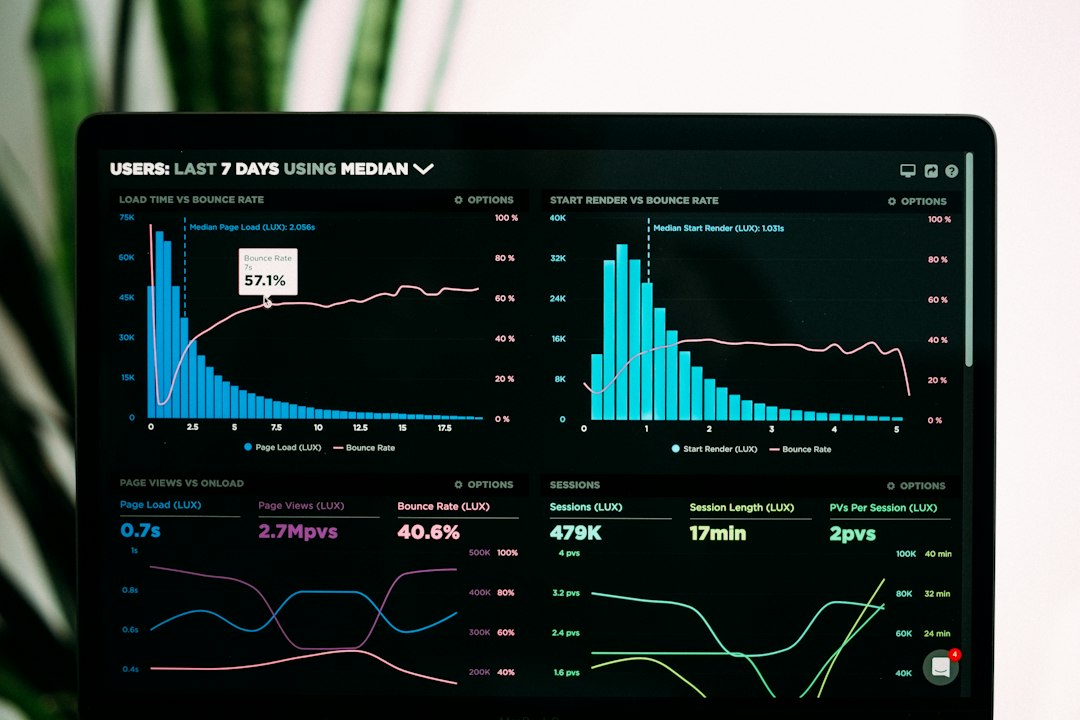
Brandwatch also offers strong visualization tools. For companies with analysts on staff, that is a major advantage. They can build detailed dashboards and create custom views for different teams. Marketing may see campaign sentiment. Product teams may see feature complaints. Leadership may see high-level reputation movement.
The catch is that Brandwatch can feel heavy. Query setup can take time. New users may need training before they get useful results. Honestly, it feels like some simple tasks take three more clicks than they should. For teams that only need media alerts and clean reports, the advanced controls may become clutter.
Where Meltwater is stronger
Meltwater is stronger for PR, earned media tracking, and media relations. It combines media monitoring with journalist databases, outreach tools, newsletters, and reports. That makes it attractive for communications teams that care about press coverage as much as social chatter.
Meltwater is useful when a team needs to answer practical questions fast:
- Which outlets mentioned the brand this week?
- Was the coverage positive, neutral, or negative?
- Which journalist wrote about the company or its rivals?
- Which stories gained the most reach?
- What should be sent to executives on Monday morning?
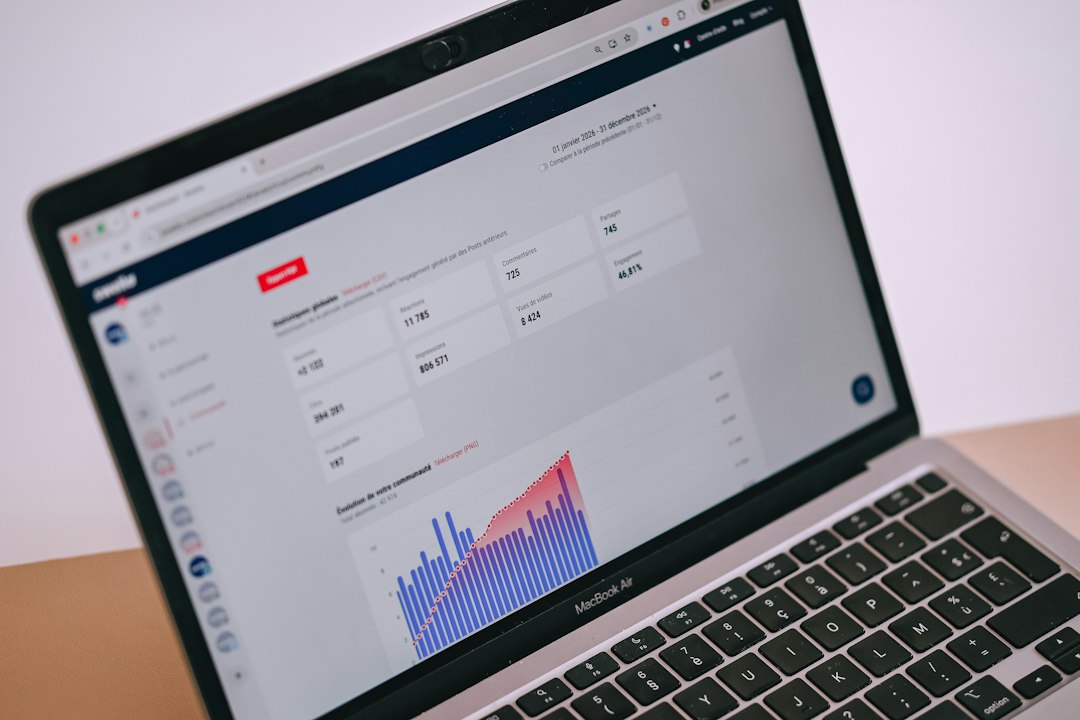
Meltwater’s reporting is one of its main selling points. Teams can create dashboards for share of voice, sentiment, media reach, top sources, and coverage volume. Reports can be scheduled, which helps busy PR teams avoid manual copy-and-paste work. That sounds basic, but it saves real time during a product launch or crisis.
Its media database is another clear advantage over Brandwatch. Brandwatch can monitor the conversation well, but Meltwater is often more helpful when a team needs to act on coverage. Finding relevant reporters, tracking journalist activity, and managing outreach from the same system can reduce tool switching.

Monitoring coverage and data quality
Both platforms track a broad mix of sources, including online news, social media, blogs, forums, podcasts, and broadcast content depending on the package. Brandwatch has a strong reputation for social data depth. Meltwater has a strong reputation for news and PR coverage.
For brand monitoring, coverage is only part of the issue. Clean data matters more. Duplicate articles, spam mentions, and weak sentiment tagging can make reports messy. Brandwatch gives skilled users more control over filtering. Meltwater often makes it easier for PR teams to clean and share coverage quickly.
Sentiment analysis is useful in both tools, but it should not be treated as perfect. Sarcasm, slang, and mixed opinions still cause mistakes. A review that says, “Great design, terrible support” may be marked too simply. The best teams review key mentions by hand before sending reports to leadership.
Ease of use
Meltwater is usually easier for non-technical communications teams. Its workflows match common PR tasks. Users can monitor coverage, build media lists, send newsletters, and create executive reports in one place.
Brandwatch has a steeper learning curve. It rewards users who understand Boolean queries, segmentation, and data analysis. For a trained analyst, that is not a problem. For a small marketing team, it may be annoying. Expect to waste time on setup if no one owns the tool properly.
That difference often decides the purchase. A platform with more features is not always the better choice. If the team does not use the advanced options, they are just expensive decoration.
Pricing and contracts
Neither platform is known for simple public pricing. Costs usually depend on seats, data volume, regions, source access, historical data, support, and add-on modules. This makes direct comparison hard without a sales call.
Brandwatch can become expensive for teams that need broad data access and advanced analysis. Meltwater can also get costly when media databases, outreach, social listening, and reporting features are bundled together. Buyers should ask for a clear quote that separates must-have features from nice-to-have extras.
A practical buying checklist should include:
- Number of users who need full access
- Monthly mention volume
- Required social networks and news sources
- Historical data needs
- Media database access
- Export and reporting limits
- Training and support terms
Which platform should a company choose?
A company should choose Brandwatch if it needs deep social listening, customer insight, competitive analysis, and advanced segmentation. It fits brands with research teams, agency analysts, or marketers who need to study behavior across large data sets.
A company should choose Meltwater if it needs media monitoring, PR reporting, journalist outreach, and coverage tracking in one system. It fits communications teams that report to executives, manage press relationships, and need fast answers during reputation issues.
For many buyers, the best Brandwatch alternative is not the tool with the longest feature list. It is the one that matches the team’s daily work. If brand monitoring is mostly about what people are saying online, Brandwatch has the edge. If it is about what the media is saying and how PR should respond, Meltwater is the stronger pick.
FAQ
Is Meltwater a good alternative to Brandwatch?
Yes. Meltwater is a strong Brandwatch alternative for PR teams, communications departments, and companies focused on media coverage. It is less research-heavy than Brandwatch, but stronger for journalist outreach and earned media reporting.
Is Brandwatch better than Meltwater for social listening?
Usually, yes. Brandwatch is often better for advanced social listening, audience analysis, and trend research. It gives analysts more control over queries, filters, and segmentation.
Which tool is better for crisis monitoring?
Meltwater is often better for PR crisis workflows because it connects monitoring, alerts, press coverage, and media contacts. Brandwatch is better when the crisis requires deep analysis of online conversations and audience reaction.
Are Brandwatch and Meltwater expensive?
Both can be expensive. Pricing depends on data access, users, regions, archives, and add-ons. Buyers should request itemized quotes and avoid paying for modules the team will not use.
Which platform is easier to use?
Meltwater is generally easier for PR and communications users. Brandwatch can require more training, especially for teams that need advanced Boolean queries and custom analysis.