For years, the smartphone has been the tiny king of our pockets. It wakes us up. It guides us home. It helps us shop, chat, watch, learn, flirt, panic, and order tacos at midnight. But now the biggest tech companies are asking a wild question: what comes after the smartphone?
TLDR: Tech giants think the future may not revolve around phones. Instead, they are betting on smart glasses, AI assistants, wearables, mixed reality, cars, and even tiny devices that blend into daily life. The goal is simple: less tapping, more natural help. Your next “phone” may not look like a phone at all.
The Phone Is Still Huge, But It Is Getting Boring
Let’s be clear. Smartphones are not dead. Not even close. Billions of people use them every day. They are still amazing little slabs of glass and metal.
But the magic has slowed down. New phones are faster. Cameras are sharper. Screens are brighter. Batteries are a bit better. Still, most upgrades now feel like buying the same sandwich with extra lettuce.
Tech giants know this. Apple, Google, Meta, Samsung, Microsoft, Amazon, and others are looking ahead. They want the next big thing. They want the next device that changes habits, creates markets, and makes people say, “How did I live without this?”
The future may not be one single gadget. It may be a team of gadgets. Some on your face. Some on your wrist. Some in your home. Some in your car. Some may have no screen at all.
Smart Glasses Want To Be Your New Screen
Smart glasses are one of the biggest bets. The idea sounds simple. Put useful digital stuff in front of your eyes. Do not make people pull out a phone every five minutes.
Imagine walking down a street. Your glasses show arrows on the sidewalk. You know where to turn. You see a message from a friend. You ask for the best pizza nearby. A tiny assistant whispers the answer.
No pocket digging. No neck bending. No walking into a lamp post while reading a group chat.
Meta is working hard here. Its Ray Ban smart glasses can take photos, record video, play audio, and use AI. Apple has the Vision Pro, which is more like a mixed reality headset than casual glasses. Google has been experimenting with glasses for years. Samsung is also expected to join the party.
The dream is clear. One day, glasses may be light, stylish, and useful all day. They may translate signs. They may remember names. They may help you cook. They may show a repair guide while you fix a bike.
But there are problems. Big ones.
- Battery life must last much longer.
- Privacy must be handled with care.
- Design must look normal, not like science homework.
- Price must come down.
- Comfort must be good enough for daily life.
People will not wear awkward glasses all day just because a tech CEO says they are cool. Tech must fit life. Not the other way around.
AI Assistants May Become The Real Device
Here is a twist. The future beyond smartphones may not be about hardware first. It may be about AI.
Today, we use apps. We tap icons. We search menus. We jump between tools. It can feel like running errands inside a vending machine.
AI assistants want to change that. You may simply say what you need.
“Book me a cheap flight to Rome next month.”
“Summarize these emails.”
“Plan dinner using what is in my fridge.”
“Remind me to call Dad when I get home.”
The assistant does the boring steps. It opens apps, checks options, compares details, and gives you results. If it works well, the app grid may matter less. The screen may matter less too.
This is why OpenAI, Google, Apple, Microsoft, Amazon, and others are racing to build smarter assistants. They want AI that can hear, see, talk, reason, and act. Not just answer trivia. Not just tell jokes about penguins.
In this future, your phone is just one doorway. Your watch is another. Your glasses are another. Your car, laptop, speaker, and TV may all connect to the same assistant.
The assistant becomes the center. The device becomes the costume.
Wearables Are Getting Smarter And Stranger
Smartwatches already proved something important. People will wear computers if they are useful and not annoying.
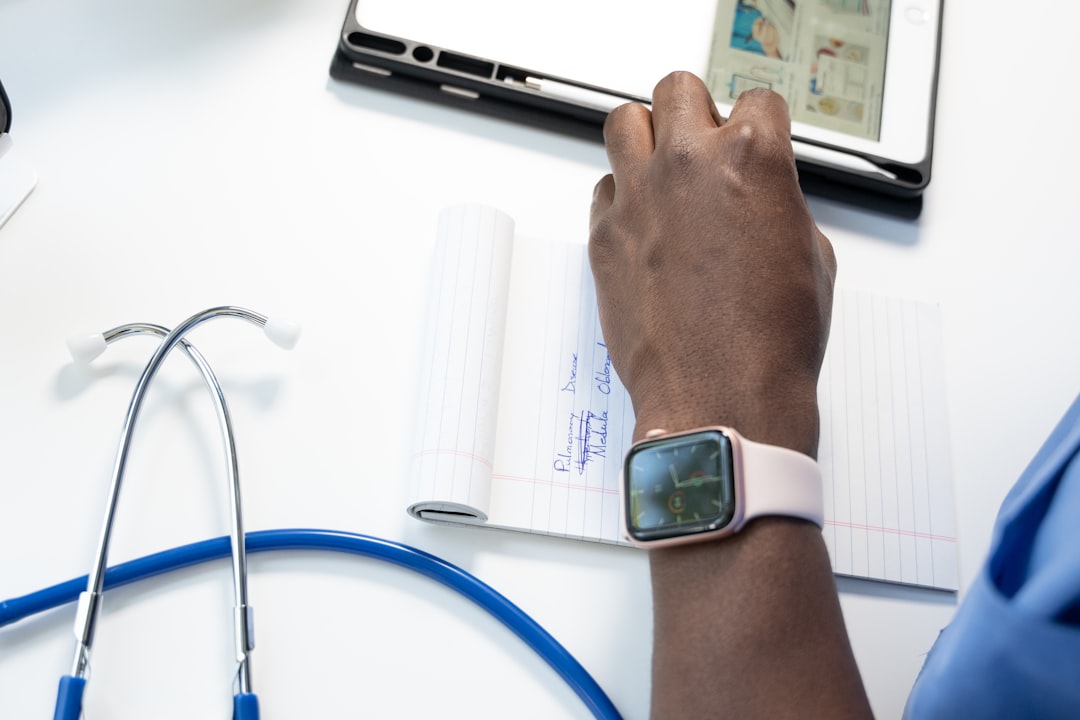
Apple Watch, Galaxy Watch, Fitbit, Garmin, and other wearables track steps, heart rate, sleep, workouts, and messages. They can also call emergency services. Some can detect falls. Some can warn about health changes.
That is powerful. It is also personal.
The next wave may include smart rings, smart earbuds, health patches, and maybe tiny pins. These devices may not replace phones fully. But they can reduce phone time.
A smart ring can track sleep without a bright screen. Earbuds can provide live translation. A watch can pay for coffee. A health patch can monitor your body quietly.

This future is not flashy in a movie trailer way. It is more like a helpful squirrel living in your daily routine. Small. Quick. Always there.
Tech giants like this because wearables create constant touchpoints. They are close to your body. They collect useful data. They can send alerts at just the right moment.
But users need trust. Health data is sensitive. Location data is sensitive. Daily habits are sensitive. If companies are careless, people will push back fast.
Mixed Reality Wants To Blend Worlds
Mixed reality is a big phrase. It means digital things and real things share space. You can see your room, but also see virtual screens, 3D objects, games, videos, or work tools floating around.
Apple calls this “spatial computing.” Meta talks about the metaverse and mixed reality. Microsoft has used HoloLens for business and training.
At its best, mixed reality feels like magic. A designer can see a 3D car model on a table. A doctor can study an organ in the air. A student can walk around ancient Rome without leaving class. A gamer can turn the living room into a dragon cave.
At its worst, it feels like wearing a toaster on your face.
That is the challenge. Headsets need to be lighter. Cheaper. Cooler. And less lonely.
Most people do not want to spend all day sealed inside a digital helmet. But many people might use mixed reality for certain tasks.
- Watching huge virtual movies.
- Playing immersive games.
- Joining 3D meetings.
- Learning hands-on skills.
- Designing homes, cars, shoes, or buildings.
The smartphone made computing mobile. Mixed reality may make computing spatial. Instead of staring into a small rectangle, you could place digital tools around you.
That sounds fancy. But the simple version is this: your room becomes your screen.
The Car May Become A Giant Phone On Wheels
Cars are also part of this future. Modern cars are becoming computers with seats. They have touchscreens, voice systems, cameras, sensors, maps, music, payments, and software updates.
Apple has CarPlay. Google has Android Automotive. Tesla built much of its brand around software. Traditional car companies are trying to catch up.
If self-driving gets better, the car could become an entertainment room, office, or nap pod. You may watch a movie while the vehicle drives. You may take a video call. You may ask the car to find parking, order food, or choose the fastest route.
Even before full self-driving arrives, the car is becoming a major digital space. For many people, it is where they listen, call, navigate, and plan.
The smartphone may still connect everything. But the car may handle more tasks by itself.
Smart Homes Are Quietly Joining The Race
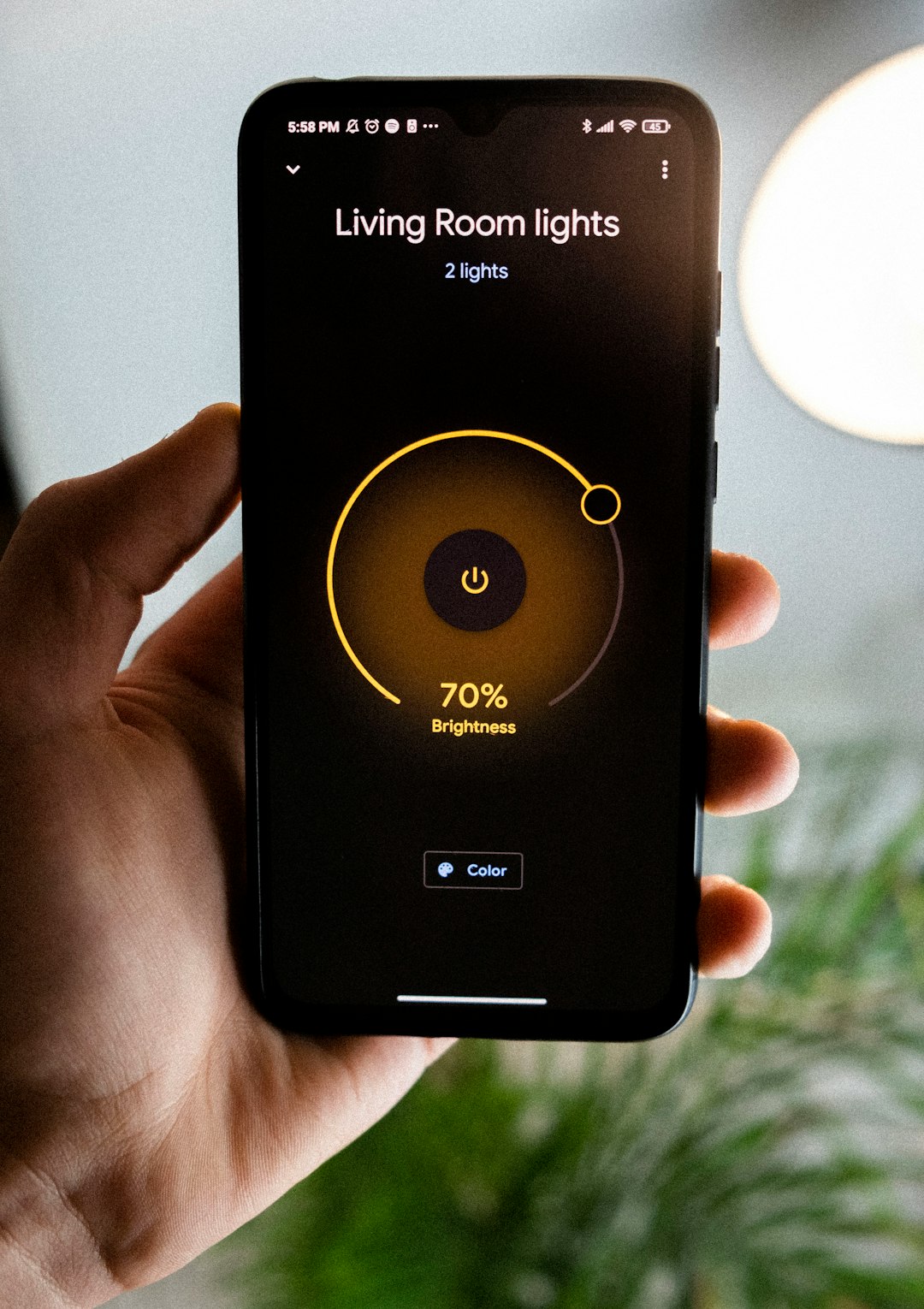
The home is another battlefield. Smart speakers, TVs, lights, locks, cameras, thermostats, and appliances are all getting connected.
Amazon Alexa, Google Home, Apple Home, and Samsung SmartThings want your house to listen and help.
You say, “Movie night,” and the lights dim. The TV opens a streaming app. The thermostat adjusts. The popcorn machine, if you are fancy, begins its noble work.
Smart homes have been “almost ready” for years. Setup can be messy. Devices do not always get along. Sometimes a smart light bulb behaves like a tiny confused robot.
But AI may make smart homes easier. Instead of setting rules in an app, you could speak normally.
“Turn off everything downstairs after 11, unless someone is watching TV.”
That is much better than tapping through sixteen menus while your lamp blinks in protest.
So What Happens To The Smartphone?
The smartphone will not vanish overnight. It is too useful. It is too familiar. It is too good at being a private screen.
But its role may change.
Today, the phone is the main character. In the future, it may become the manager behind the scenes. It may connect devices, store identity, handle payments, and provide backup when other gadgets fail.
You may use glasses for directions. Earbuds for translation. A watch for health. A car screen for travel. A home assistant for chores. A headset for games. And the phone for everything else.
This is not one device replacing another. It is more like the smartphone breaking into pieces. Each piece moves to the place where it makes the most sense.
Why Tech Giants Want This So Badly
There is a fun reason and a serious reason.
The fun reason is that new gadgets are exciting. Engineers like building wild things. Designers like solving hard problems. Users like toys that feel like magic.
The serious reason is money.
The smartphone market is mature. Growth is harder. People keep phones longer. New categories mean new sales, new services, new data, new app stores, and new platforms.
Whoever controls the next platform gets power. They can shape how people search, shop, work, play, and communicate.
That is why the race is intense. The next big platform may be glasses. It may be AI. It may be wearables. It may be cars. It may be something silly looking that later becomes normal.
Remember, early mobile phones looked like bricks. Early laptops were chunky. Early smartwatches seemed unnecessary. Tech often starts weird. Then it becomes ordinary.
The Future May Be Less Screen, More Life
The best version of this future is not about more gadgets yelling at us. Nobody needs a fridge that sends dramatic texts about lettuce.
The best version is calmer. Devices help when needed. Then they disappear.
You get directions without staring down. You record a memory without missing it. You understand another language in real time. You catch a health warning early. You finish boring tasks faster. You spend less time poking glass.
That is the real promise beyond smartphones.
Of course, there are risks. More devices can mean more tracking. More alerts. More costs. More chargers. So many chargers. A drawer full of cables is already the modern junk cave.
So the future must be built carefully. It must be private. Simple. Secure. Affordable. Human.
Final Thought
Tech giants are not done with smartphones. They are just dreaming bigger. They imagine a world where computing is not locked inside one rectangle. It is in your glasses, watch, ears, car, home, and helpful AI assistant.
Will all of it work? No. Some ideas will flop. Some will look silly. Some will be too expensive. Some will make us ask, “Why does my toaster need an app?”
But some ideas will stick. And slowly, the phone may stop being the center of everything.
The next big device may not live in your pocket. It may sit on your face. Wrap around your wrist. Ride in your car. Listen from your kitchen. Or speak through an AI that feels less like an app and more like a helpful friend.
For now, keep your phone charged. The future still needs it. But maybe, just maybe, it will not need it forever.