Choose Semrush if your brand audit depends on search visibility, content gaps, backlinks, and paid keyword activity; choose Similarweb if you need market share, traffic sources, audience behavior, and competitor reach at a broader web level. Both tools can expose how a brand performs online, but they answer different questions. Semrush is strongest when the audit starts with Google. Similarweb is strongest when the audit starts with the market.
TLDR: Semrush is better for SEO-heavy brand audits, while Similarweb is better for traffic benchmarking and competitor channel analysis. For example, a B2B software brand might find in Semrush that it ranks for 1,240 keywords but only 6% are in the top three positions. In Similarweb, the same brand may see that competitors get 38% more referral traffic and twice the direct traffic, pointing to stronger awareness. Use both if budget allows; use one based on the main problem you need to solve.
What a Digital Brand Audit Should Measure
A good digital brand audit is not just a list of rankings or traffic numbers. It should show how visible, trusted, searchable, and competitive a brand is across the web. That includes organic search presence, paid visibility, website traffic quality, audience overlap, backlink strength, and competitor share.
This is where Semrush and Similarweb take different paths. Semrush is built around search marketing intelligence. Similarweb is built around traffic intelligence. That sounds subtle, but it changes how you read almost every report.
Semrush: Best for Search Visibility and Content Performance
Semrush is often the better pick when your brand depends on being found through Google. If people discover your products through search, reviews, comparisons, tutorials, or problem-based queries, Semrush gives you the cleaner audit path.
Its core strength is keyword-level detail. You can see which terms bring traffic, which pages rank, where rankings changed, and which competitors are winning the same searches. For a brand audit, that matters because branded performance is rarely only about branded keywords. If your company sells project management software, you also want visibility for searches like best task management tools, team planning app, and Asana alternatives.
Semrush is also useful for reviewing:
- Branded keyword demand: Are more people searching for your brand name over time?
- Non-branded visibility: Does your brand appear for buying-stage terms?
- Content gaps: Which topics do competitors own that you barely cover?
- Backlink quality: Are trusted sites mentioning and linking to you?
- Paid search overlap: Who is bidding on your brand or category keywords?
The Position Tracking and Organic Research tools are especially useful in a brand audit. You can compare domains, segment keywords by intent, and spot weak pages. Honestly, it feels like Semrush sometimes buries a simple answer under too many tabs, but the data is strong once you know where to click.
Similarweb: Best for Market Reach and Traffic Benchmarking
Similarweb answers a different question: How does this brand perform compared with the wider market? Instead of starting with keywords, it starts with traffic behavior. That makes it useful for executives, strategy teams, and marketers who need a quick read on reach and channel mix.
With Similarweb, you can compare sites by estimated visits, visit duration, pages per visit, bounce rate, traffic source, geography, and audience interests. This is valuable when your brand audit needs to explain why a competitor feels bigger, even when your SEO reports look decent.
For example, Semrush might show that your brand has stronger organic rankings. Similarweb may reveal that a competitor receives far more direct traffic, which often signals stronger brand recall. If 42% of a competitor’s traffic is direct and yours is 19%, that is not just a traffic issue. It suggests they may have stronger word of mouth, offline awareness, email engagement, or repeat usage.
Similarweb is useful for reviewing:
- Traffic share: How much audience attention does each brand capture?
- Channel mix: Are competitors winning through search, social, referrals, ads, or direct visits?
- Audience behavior: Do users stay longer on competitor sites?
- Referral sources: Which publishers, partners, or directories send traffic?
- Geographic strength: Which regions show brand traction or weakness?
The catch is that Similarweb’s estimates can vary more for smaller websites. If a site has limited traffic, the numbers may swing. Still, the directional insight is often useful. It is better for spotting patterns than proving exact totals.
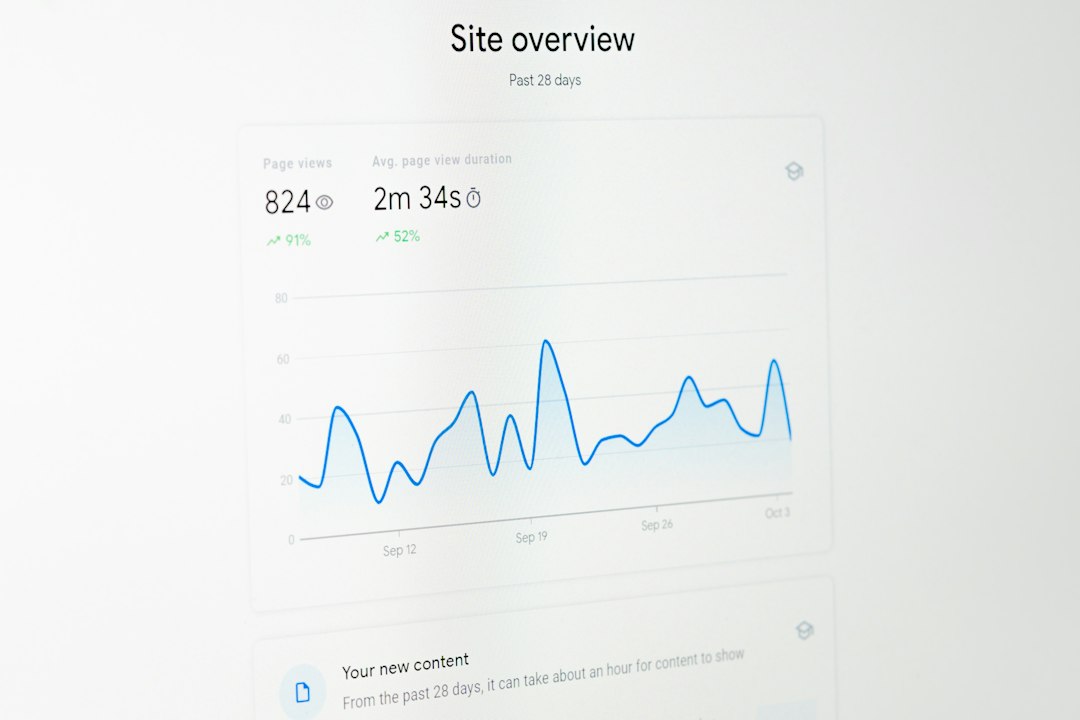
Data Accuracy: Read Both Tools Carefully
No brand audit tool has perfect data. Semrush and Similarweb both rely on large data sets, models, and estimates. Treat them as intelligence tools, not accounting systems.
Semrush tends to be stronger when you need search data. Keyword rankings, search volume estimates, backlinks, and paid keyword reports are its comfort zone. It may miss some lower-volume terms, and traffic estimates are not the same as Google Analytics numbers.
Similarweb tends to be stronger when you need a view of total traffic patterns. Its channel breakdowns can be very useful, especially for competitor research. But for niche sites, low-traffic brands, or new companies, sample size can limit accuracy.
A smart audit compares trends rather than obsessing over one number. If Semrush shows organic visibility rising for six months and Similarweb shows organic traffic share rising too, you have a stronger signal. If the tools disagree, check Google Search Console, analytics data, CRM attribution, and campaign records.
Where Semrush Wins
Semrush is the better option when the audit needs to explain why your brand does or does not appear in search. It gives a more practical path from problem to fix.
- SEO audits: Technical checks, keyword gaps, site health, and rankings.
- Content planning: Topic research and competitor content analysis.
- Backlink reviews: Link authority, toxic links, and link opportunities.
- Paid search checks: Ad copy, paid keywords, and competitor bidding.
- Local or niche visibility: Better detail for specific keyword sets.
If your team needs a list of actions, Semrush usually gets there faster. It can show that a product page dropped from position 4 to 11, that a competitor gained 320 new referring domains, or that your blog has no ranking content for high-intent comparison terms.
Where Similarweb Wins
Similarweb is stronger when the audit needs to explain brand reach across channels. It helps answer senior-level questions without forcing every discussion through SEO metrics.
- Competitive benchmarking: Estimated visits, engagement, and traffic share.
- Channel strategy: Search, social, referral, display, email, and direct traffic trends.
- Audience research: User interests, overlap, and browsing behavior.
- Partnership discovery: Referral sources and publisher opportunities.
- Market entry research: Country-level traffic and competitor strength.
Expect to waste time on some workflows if you need granular SEO fixes. Similarweb can show that referral traffic is weak, but Semrush is usually better for finding the exact content or keyword issue behind the weakness.
The Best Use Case: Put Them Together
The strongest brand audits often use both platforms. Start with Similarweb to understand the market picture. Then use Semrush to diagnose search and content problems.
A simple workflow looks like this:
- Benchmark traffic: Use Similarweb to compare total visits, engagement, and channels.
- Find major gaps: Identify where competitors win, such as direct, referral, or organic traffic.
- Audit search visibility: Use Semrush to check keywords, rankings, pages, and backlinks.
- Connect brand and demand: Compare branded search growth with direct traffic trends.
- Prioritize fixes: Build actions around the biggest gaps, not vanity metrics.
For instance, if Similarweb shows that a competitor gets 55% more traffic from referrals, Semrush can help inspect backlink sources and content assets. If Semrush shows your branded search volume is flat while competitors rise, Similarweb can show whether they are gaining from social, PR, affiliates, or direct visits.
Which Tool Should You Choose?
Choose Semrush if your brand audit needs tactical SEO, content, backlink, and paid search recommendations. It is the better tool for teams that must improve rankings, fix visibility gaps, and publish smarter content.
Choose Similarweb if your brand audit needs market-level traffic insight, competitor benchmarking, and channel comparison. It is the better tool for teams that need to understand reach, awareness, and audience behavior beyond search.
If you can only pick one, base the choice on your main question. Ask, “Are we trying to improve how people find us in search?” If yes, pick Semrush. Ask, “Are we trying to understand how big we are compared with competitors?” If yes, pick Similarweb. The best audits do not worship tools. They use the right data to find weak spots, prove what is working, and turn brand performance into clear next steps.