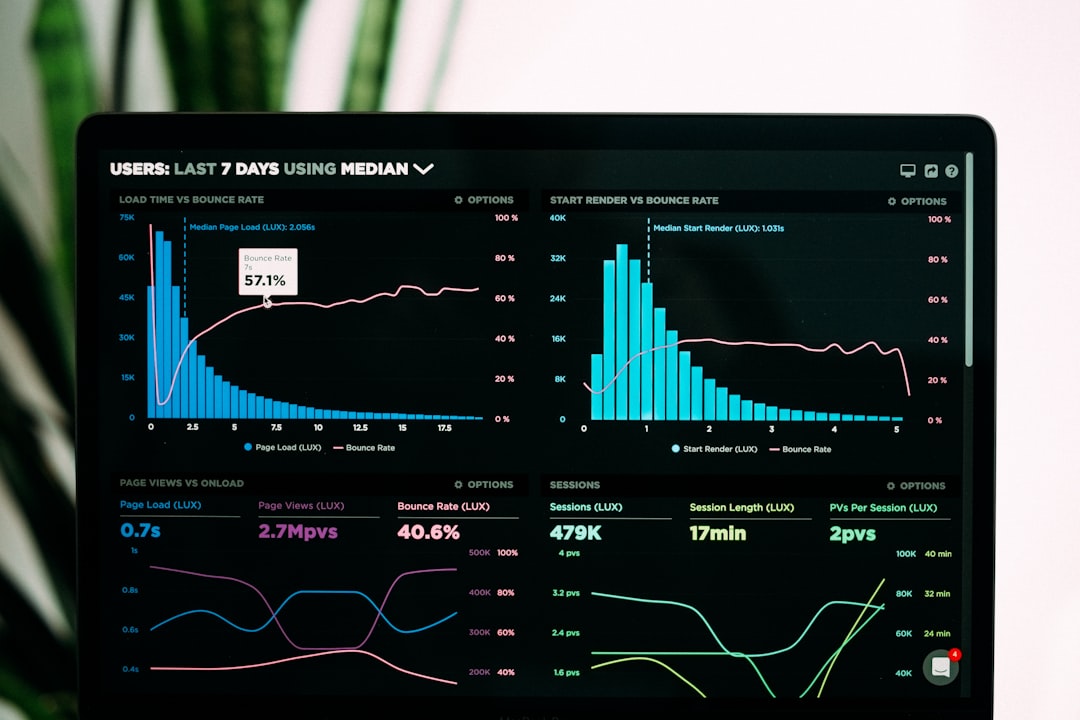
Choose Brandwatch if your audit depends on what people say about your brand. Choose Semrush if your audit depends on how visible your brand is in search. For a serious digital brand audit, the better tool is not the one with the longest feature list. It is the one that answers your risk question fastest: Are people talking about us, finding us, trusting us, and choosing us?
TLDR: Brandwatch is stronger for social listening, sentiment tracking, audience analysis, and reputation signals across public conversations. Semrush is stronger for SEO visibility, competitor search audits, keyword gaps, backlinks, and paid search analysis. For example, a SaaS brand might find in Semrush that competitors own 62% of non-branded search visibility, while Brandwatch shows that 31% of negative mentions come from complaints about pricing. Used together, they give a fuller audit; used alone, each leaves blind spots.
What a digital brand audit should actually measure
A digital brand audit is not just a logo review or a social media report. It checks how a brand appears, performs, and is perceived across digital channels. That includes search results, social conversations, review themes, competitor visibility, earned media, backlinks, and message consistency.
A useful audit should answer five questions:
- Visibility: Can people find the brand when they search?
- Reputation: Is public sentiment positive, neutral, or negative?
- Consistency: Are brand messages aligned across channels?
- Competitive position: Which rivals get more attention and why?
- Risk: Are complaints, misinformation, or weak content hurting trust?
This is where Brandwatch and Semrush split. Brandwatch is built around conversation intelligence. Semrush is built around search intelligence. Both can support a brand audit, but they see the market from different angles.
Image not found in postmetaBrandwatch: best for perception, sentiment, and social intelligence
Brandwatch is a strong choice when the audit must capture what people are saying across social platforms, forums, news sites, blogs, and other public sources. It helps teams track brand mentions, sentiment, share of voice, audience traits, trending topics, and emerging complaints.
This matters because brand damage often appears in conversation before it appears in sales reports. A spike in negative posts about delivery delays, product quality, or executive behavior can spread for days before leadership sees the full pattern.
Brandwatch is especially useful for:
- Sentiment analysis across large volumes of public mentions.
- Share of voice comparisons against competitors.
- Trend detection around campaigns, product launches, or crises.
- Audience segmentation by interests, demographics, and behaviors.
- Influencer and media tracking for earned attention.
The platform is serious and powerful, but it is not light. Expect to waste time on query setup if your brand name is common. A company called “Bolt,” “Monday,” or “Apple” will need precise Boolean rules to filter noise. That is normal for social listening tools, but it can be frustrating during a time-sensitive audit.
Brandwatch also demands skilled interpretation. Sentiment automation can misread sarcasm, slang, or industry terms. A post saying, “This product is sick,” may be positive or negative depending on context. The tool gives the signal. Your team still needs to validate the meaning.
Semrush: best for search visibility, competitors, and web authority
Semrush is better when the audit focuses on discoverability. It shows how a brand performs in organic search, paid search, backlinks, content rankings, keyword demand, and competitor visibility. If Brandwatch tells you what people say, Semrush tells you what people find.
This is critical because search often shapes first impressions. If weak pages, outdated profiles, low-quality articles, negative reviews, or competitor comparisons dominate page one, brand trust can fall before a buyer ever visits your site.
Semrush is especially useful for:
- Brand and non-brand keyword rankings across target markets.
- Competitor keyword gaps and content opportunities.
- Backlink quality and authority signals.
- Paid search activity from rival brands.
- Traffic estimates for competitive benchmarking.
- Technical SEO checks that affect visibility and trust.
For example, a retail brand may rank first for its own name but fail to rank in the top 10 for “best sustainable sneakers.” Semrush can show that two competitors receive an estimated 48,000 monthly visits from related terms while the audited brand receives 8,500. That gap is not just an SEO issue. It is a brand visibility issue.
The annoying part is that Semrush can feel crowded. Reports, widgets, apps, limits, and add-ons can slow down basic audit work. Honestly, it feels like three clicks too many just to reach the clean competitor view you wanted. Still, once set up, it gives strong evidence for search-led brand decisions.
Brandwatch vs Semrush: feature by feature
| Audit area | Brandwatch | Semrush |
|---|---|---|
| Social listening | Very strong | Limited compared with Brandwatch |
| Sentiment analysis | Strong, with context review needed | Not the main strength |
| SEO visibility | Not built for deep SEO audits | Very strong |
| Competitor benchmarking | Strong for conversation share | Strong for search, traffic, backlinks, and ads |
| Reputation risk | Strong for fast public reaction tracking | Strong for search result and content risks |
| Best user | PR, brand, insights, and communications teams | SEO, content, growth, and digital marketing teams |
Which tool is better for a brand audit?
If you must choose one, choose based on the audit goal.
- Choose Brandwatch if the board is asking, “What do people think of us?”
- Choose Semrush if the marketing team is asking, “Why are competitors more visible than us?”
- Use both if the audit must support brand strategy, reputation planning, and growth targets.
A combined audit is often the most reliable option. Semrush may show that a competitor dominates search for “best project management software.” Brandwatch may show that users praise that same competitor for integrations but complain about support. That combination points to a clear opening: create content around integrations while positioning support as a trust advantage.
A practical audit workflow using both tools
A strong workflow does not need to be complicated. It should move from hard visibility data to perception data, then to action.
- Start in Semrush: Check branded search rankings, non-branded keyword gaps, backlink quality, paid search competitors, and technical SEO problems.
- Review search results manually: Look at page one for brand name, product terms, executive names, and “reviews” searches.
- Move to Brandwatch: Analyze mention volume, sentiment, topic clusters, complaint themes, and share of voice.
- Compare competitors: Check who owns search demand and who owns conversation volume.
- Prioritize fixes: Rank issues by business impact, urgency, and effort.

Cost, skill, and reporting considerations
Both tools require budget and trained users. Brandwatch is often suited to larger teams that need deep listening, custom queries, and executive reporting. Semrush is easier for SEO and content teams to adopt, though advanced competitive research still takes experience.
Reporting quality also differs. Brandwatch reports are strong for reputation stories: sentiment shifts, campaign reaction, audience opinions, and crisis signals. Semrush reports are stronger for measurable search performance: keyword positions, traffic estimates, authority scores, backlinks, and site errors.
For executive reporting, avoid dumping dashboards into a slide deck. Decision-makers need a short readout:
- What changed?
- Why does it matter?
- What is the risk?
- What should we do next?
Final recommendation
Brandwatch is the better brand audit tool for reputation and audience perception. Semrush is the better brand audit tool for search visibility and competitive digital presence. Neither gives a complete answer alone. A brand can rank well and still be disliked. It can also be loved by a niche audience while losing search demand to better-funded competitors.
For most serious digital brand audits, use Semrush to measure where the brand is found and Brandwatch to measure how the brand is discussed. That pairing gives a clearer view of trust, demand, risk, and opportunity. If budget allows only one, match the tool to the business question. Reputation problem? Pick Brandwatch. Visibility problem? Pick Semrush.