
Uber holds the stronger competitive position, while Lyft remains the sharper specialist in North American ride sharing. For riders, the best choice often comes down to price, wait time, and availability at that exact moment. For drivers, the choice is more complicated because pay, bonuses, tips, and app rules can shift by city and hour.
TLDR: Uber is the larger company, with broader coverage, food delivery, freight, ads, and global scale. Lyft focuses mainly on ride sharing in the United States and Canada, which makes it simpler but less diversified. In many U.S. markets, Uber has roughly 70% to 75% ride share share, while Lyft often sits near 25% to 30%. For example, a commuter leaving an airport at 6 p.m. may see Uber arrive in 4 minutes at $32, while Lyft arrives in 7 minutes at $29, making the cheaper option less useful if time matters.
Uber vs Lyft at a Glance
Uber and Lyft compete for the same core users: riders who need fast transport and drivers who want flexible income. Their apps look similar. Their pricing models feel similar. Their biggest difference is scale.
- Uber: larger, global, diversified, active in ride hailing, delivery, freight, advertising, and business travel.
- Lyft: smaller, focused mainly on U.S. and Canadian transportation, with bikes, scooters, rentals, and business rides.
- Main battleground: U.S. urban markets, airports, suburbs, and business travel.
- Key advantage for riders: Uber usually has more drivers available.
- Key advantage for Lyft: Lyft can feel less cluttered and sometimes offers lower fares.
The catch is that neither app wins every ride. Prices can flip in seconds. A rider may open Uber, see a surge fare, switch to Lyft, and save $8. Ten minutes later, Uber may be cheaper again. That constant checking is annoying, but it is also the easiest way to get a better deal.
Market Share and Scale
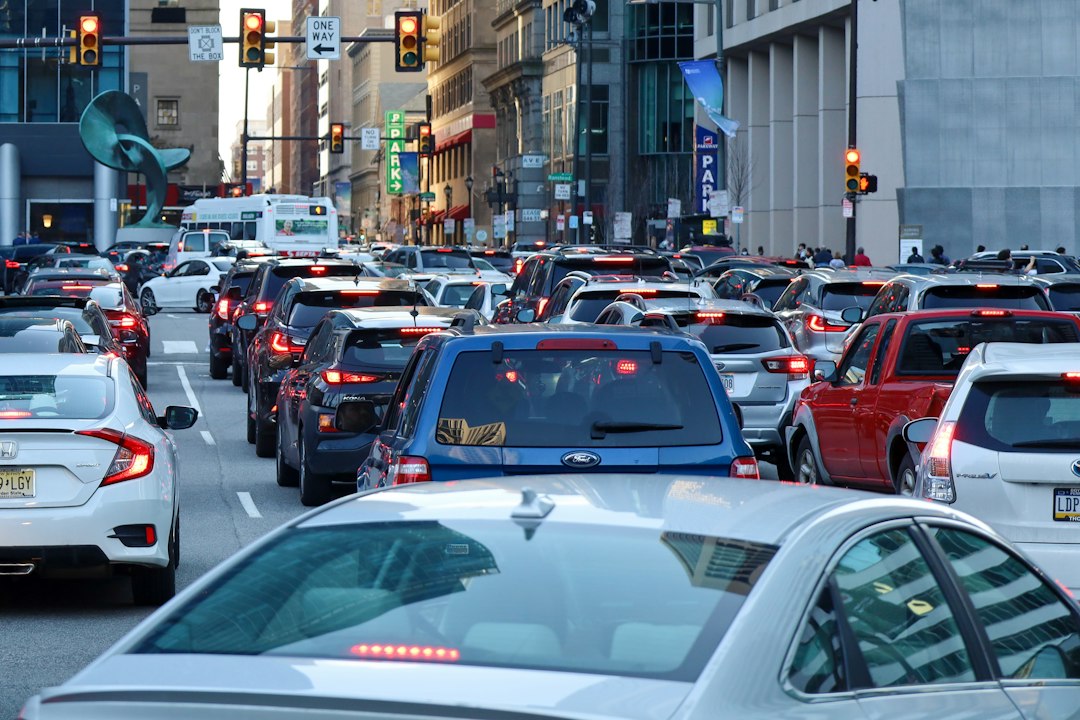
Uber’s biggest weapon is size. It operates in many countries and has built a large network of riders and drivers. That scale creates a feedback loop. More riders attract more drivers. More drivers reduce wait times. Shorter waits attract more riders.
Lyft is much smaller but not weak. It has a known brand in North America and a loyal base in cities such as San Francisco, Los Angeles, Chicago, New York, and Washington, D.C. Its focus can be a strength. Lyft does not need to manage as many business lines as Uber, so it can aim its product work at core mobility.
Still, scale matters in ride sharing. When demand spikes after a concert, during rain, or at an airport, the app with more drivers usually performs better. Uber often has that edge. Lyft may win on price, but Uber often wins on certainty.
Pricing and Rider Experience
Both companies use variable pricing. Fares rise when demand outpaces supply. This is where riders feel the competition most directly. Uber may charge more because it has stronger demand. Lyft may undercut it to win the booking. Yet that is not guaranteed.
Uber’s app tends to present more ride choices, such as UberX, Comfort, Black, XL, shared rides in select markets, and business ride options. This helps riders match the trip to the need. A solo commuter can pick the cheapest car. A client dinner may call for a premium ride.
Lyft’s app often feels cleaner. It is less crowded with delivery prompts and extra services. Some riders prefer that. Honestly, it feels like Uber sometimes makes riders tap past one more screen than necessary, especially when it pushes add-ons or trip upgrades.
For price-sensitive riders, the practical answer is simple: compare both apps. An $18 Lyft ride and a $24 Uber ride are not rare. Neither is the reverse. Over 20 monthly rides, even a $4 average difference can mean $80 saved.
Driver Competition
Drivers are the supply side of the battle. Uber and Lyft both need enough active drivers to keep wait times low. To attract them, the companies use bonuses, streaks, destination filters, tips, and earnings guarantees.
Uber can offer more trip volume in many markets. That matters because drivers hate idle time. A driver earning $24 per active hour but waiting 20 minutes between rides may earn less overall than a driver earning $21 per active hour with steady requests.
Lyft often promotes driver-friendly changes, such as clearer pay details or improved tipping prompts. These can help. But drivers still care about net income after fuel, insurance, maintenance, and dead miles. A bonus that looks good at first can be less attractive if it sends a driver across town with no return trip.
Business Models and Diversification
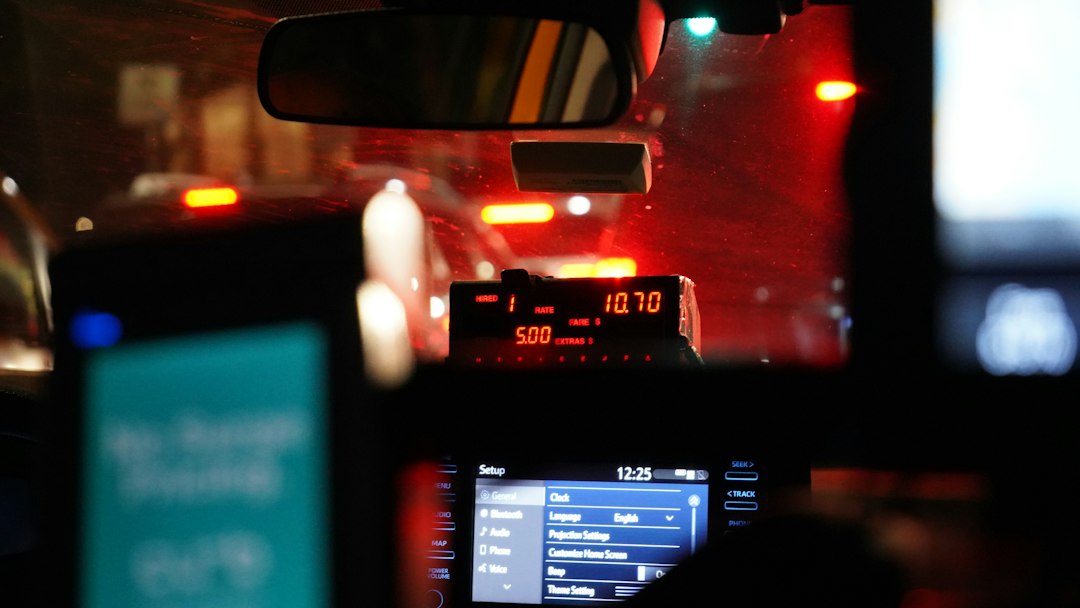
Uber is more than ride sharing. Uber Eats gives it a second major source of revenue. Advertising inside the app has also become a growing business. Uber for Business helps with corporate travel. Freight adds another segment, though it is less visible to everyday riders.
This mix gives Uber more ways to grow. If ride demand slows, delivery or ads can soften the hit. It also gives Uber more user data and more chances to keep people inside its app.
Lyft has a narrower model. That creates risk. If ride demand weakens or driver costs rise, Lyft has fewer backup engines. At the same time, a narrower focus can protect it from distraction. Lyft can target airport pickup flow, driver tools, bike share, and commuter use cases without managing a global delivery network.
Brand Positioning
Uber is often seen as the default ride share app. That is a powerful position. Many riders open Uber first without thinking. The brand also carries a business travel feel, especially through premium ride types and company accounts.
Lyft has long positioned itself as a friendlier alternative. The pink logo, tipping culture, and casual tone helped it stand apart. That brand gap has narrowed over time, but Lyft still benefits from being seen as the main challenger.
The problem for Lyft is that riders are not always loyal. Ride sharing is highly transactional. If one app is cheaper and faster, many people will switch instantly. Brand matters, but price and pickup time often matter more.
Technology and Product Features
Both apps rely on matching algorithms, mapping, estimated arrival times, route pricing, fraud controls, and safety tools. Small improvements can have big effects. Cutting average pickup time from 6 minutes to 5 minutes can improve conversion because riders abandon slow options.
Uber tends to have more resources for engineering, automation, and international testing. It can roll out product changes across many regions and learn quickly from large data sets. Lyft can move fast too, but it has fewer markets and fewer business units generating data.
Safety is also central. Both companies offer driver background checks, trip sharing, emergency assistance, ratings, and support systems. Riders and drivers still complain about support quality. It drives many users crazy that a disputed charge or safety concern can lead to scripted replies before a real fix appears.
Competitive Outlook
Uber is likely to remain the category leader because of scale, brand habit, and diversified revenue. Lyft’s best path is not to beat Uber everywhere. Its stronger play is to win specific markets, improve driver loyalty, and offer clear value where Uber prices get too high.
For riders, the rivalry is useful. It keeps prices more honest and gives people a backup when one app fails. For drivers, it creates options, though not always better pay. For investors and market watchers, Uber looks like the broader platform, while Lyft looks like a focused mobility bet with less room for error.

FAQ
Which is bigger, Uber or Lyft?
Uber is much bigger. It operates globally and has multiple revenue streams, including rides, delivery, freight, ads, and business travel. Lyft is mainly focused on transportation in the United States and Canada.
Is Lyft cheaper than Uber?
Sometimes. Lyft may be cheaper in certain cities or during surge periods, but pricing changes constantly. Riders usually get the best result by checking both apps before booking.
Which app is better for drivers?
It depends on the city, time, and bonus structure. Uber may offer more ride volume. Lyft may offer attractive incentives in select markets. Many drivers use both to reduce downtime.
Why does Uber usually have shorter wait times?
Uber often has more active drivers. A larger driver pool usually means faster pickups, especially during busy periods, bad weather, or airport rushes.
Can Lyft seriously compete with Uber?
Yes, but selectively. Lyft can compete well in North America, especially in dense cities. Beating Uber at global scale is much harder because Uber has a larger network and more revenue sources.