
An MVP means minimum viable product: the smallest working version of a product that can prove whether real users want it. A prototype shows an idea. An MVP tests a business assumption with actual use. Product teams often mix the two, then waste weeks polishing screens that should have been tested much earlier.
TLDR: A prototype helps a team explore how a product might look or work, while an MVP helps test whether customers will use or pay for it. For example, a food delivery startup may first build a clickable app prototype, then launch an MVP in one city with 100 beta users. If 37% reorder within two weeks and 12% refer a friend, the team has stronger proof than design feedback alone. The best path is usually prototype first, MVP second.
What Does MVP Mean in Product Development?
An MVP is a stripped-down product with just enough features to solve one clear problem for one clear audience. It is not a rough sketch. It is not a pitch deck. It is not a beautiful design file with no working parts.
An MVP must be usable. It should let customers complete the main task the product promises. If the product is a booking app, users should be able to book. If it is a budgeting tool, users should be able to track spending. Everything else can wait.
The goal is simple: learn before spending too much money. A team builds an MVP to answer questions such as:
- Do users care about this problem enough to act?
- Will users sign up, return, or pay?
- Which feature matters most?
- Is the pricing even close to acceptable?
- Does the product solve the problem better than the current workaround?
It drives teams crazy when months of work end with polite feedback and no usage. An MVP reduces that risk. It forces the product into real hands earlier.

What Is a Prototype?
A prototype is an early model of a product idea. It can be a sketch, wireframe, clickable design, coded mockup, or interactive demo. Its purpose is to help people understand the concept before the team builds the real thing.
Prototypes are useful for testing flow, layout, wording, and usability. They help designers and founders spot confusing steps. They also help investors, developers, and stakeholders see what the product could become.
Still, a prototype does not usually prove demand. A user may say, “This looks useful,” and never use it again. That gap hurts. Compliments are cheap. Behavior matters more.
MVP vs Prototype: The Core Difference
The main difference is proof. A prototype proves whether an idea can be understood. An MVP proves whether the product creates enough value for users to take action.
| Aspect | Prototype | MVP |
|---|---|---|
| Main purpose | Test design and concept | Test demand and product value |
| Users | Testers, stakeholders, early interviewees | Real or highly realistic customers |
| Functionality | May be fake or partly interactive | Must perform the core job |
| Outcome | Feedback on usability and idea clarity | Data on usage, retention, revenue, or demand |
A prototype asks, “Does this make sense?” An MVP asks, “Will people use this when it costs them time, money, or effort?”
When a Team Should Build a Prototype
A prototype is the right choice when the product idea is still unclear. It is also useful when the team needs to compare several design options without paying for development.
Teams often prototype when they need to:
- Test a new user flow.
- Show an idea to investors or internal leaders.
- Find confusing screens before coding begins.
- Estimate development effort more accurately.
- Collect early reactions from target users.
For a mobile banking app, a prototype might show onboarding, account linking, and spending categories. None of it may connect to real banking data yet. That is fine. The goal is to see whether users understand the flow.
When a Team Should Build an MVP
An MVP is the better choice when the team has enough confidence in the problem and now needs proof from real usage. The MVP should focus on the product’s core promise.
For example, a project management startup does not need comments, templates, automations, dashboards, and integrations on day one. Its MVP may only need task creation, assignment, due dates, and notifications. If teams use those features every day, the company has a stronger case for building more.
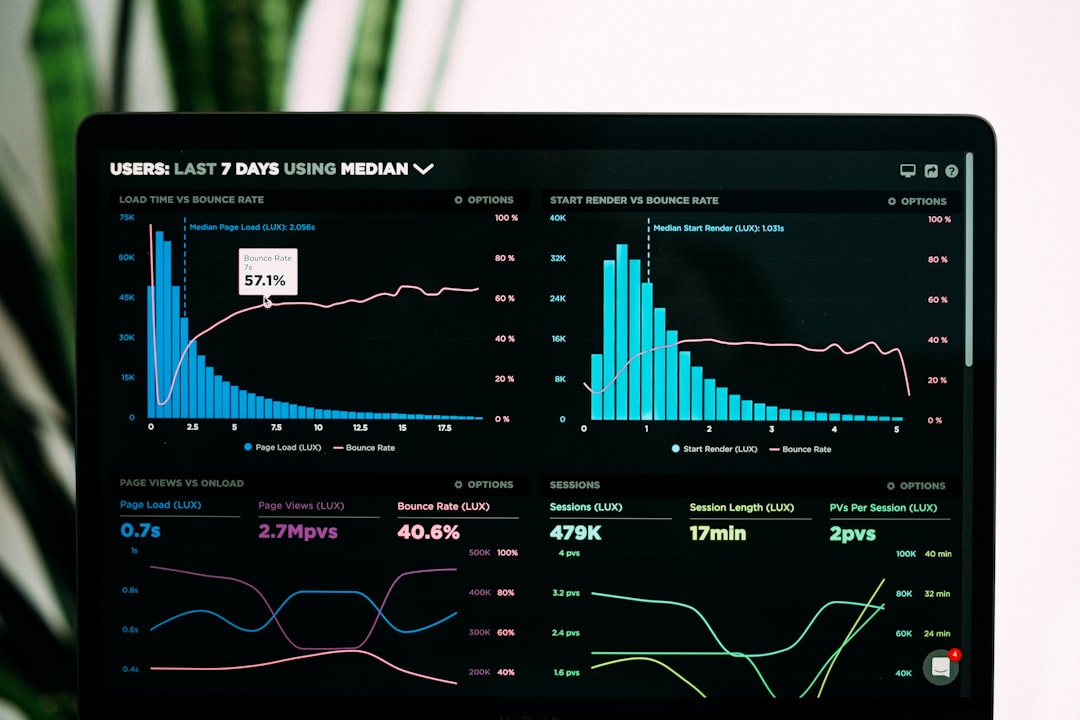
An MVP should be measured with clear metrics. Common ones include:
- Activation: how many users complete the first key action.
- Retention: how many users return after a set period.
- Conversion: how many users pay, book, subscribe, or request access.
- Referral: how many users invite others.
- Support volume: how often users get stuck.
Honestly, it feels like some teams call anything an MVP just to sound lean. A landing page with no service behind it may test interest, but it is not a full MVP unless the team can deliver the promised value in some real way.
Common MVP Types
There is no single format for an MVP. The format depends on the risk the team needs to test.
- Concierge MVP: The service is delivered manually behind the scenes. This works well for complex workflows.
- Wizard of Oz MVP: Users think the system is automated, but people handle parts of the process manually.
- Single-feature MVP: The product includes only one primary feature and ignores extras.
- Landing page MVP: A page tests signups or purchase intent before building the full product.
- Marketplace MVP: A small supply and demand group is tested in one city, industry, or niche.
How MVPs and Prototypes Work Together
The smartest product process often uses both. A team starts with research, creates a prototype, tests it, improves the concept, then builds an MVP. Each step reduces a different kind of risk.
A prototype reduces design risk. It shows whether users understand the product. An MVP reduces market risk. It shows whether users care enough to act.
A simple flow may look like this:
- Identify a painful customer problem.
- Sketch the simplest solution.
- Create a prototype and test the flow.
- Remove nonessential features.
- Build the MVP around one core job.
- Measure real user behavior.
- Improve, expand, or stop based on data.
Common Mistakes to Avoid
One common mistake is building too much. A bloated MVP defeats the point. If the first version takes nine months, the team is likely building a full product, not an MVP.
Another mistake is asking the wrong people for feedback. Friends and internal staff are often too kind. The best testers match the target customer profile and have the problem now.
A third mistake is tracking vague feedback instead of behavior. “Users liked it” is weak. “42% completed onboarding and 18% upgraded within seven days” is far more useful.
FAQ
What does MVP stand for?
MVP stands for minimum viable product. It is the simplest usable product version built to test demand, value, and real user behavior.
Is a prototype the same as an MVP?
No. A prototype tests the idea, design, or flow. An MVP tests whether users will actually use, buy, or depend on the product.
Should a startup build a prototype or MVP first?
Most startups should build a prototype first if the idea still needs shape. Once the flow is clear, the team can build an MVP to test demand with real users.
Can an MVP have only one feature?
Yes. In many cases, one strong feature is better than five weak ones. The feature must solve a real problem and allow meaningful measurement.
How long should it take to build an MVP?
Many MVPs can be built in a few weeks to three months. The timeline depends on product complexity, team size, and the amount of manual work used behind the scenes.
What is the biggest sign that an MVP is working?
The clearest sign is repeated user behavior. If users return, pay, invite others, or depend on the product without constant pushing, the MVP is showing real promise.