Edge computing is moving from pilot projects to core infrastructure in 2026, and the biggest winners will be teams that push decisions closer to devices, machines, cameras, vehicles, and users. The news cycle around edge computing is no longer just about telecom trials or smart factory demos. It is now about latency budgets, AI costs, data rules, cyber risk, and how much cloud traffic companies can realistically afford.
TLDR: Edge computing in 2026 will be shaped by local AI, private 5G, security at the device level, and tighter links between cloud and edge systems. For example, a factory using edge vision to inspect 20,000 parts per hour could cut cloud data transfers by 65% and reduce defect detection time from 120 milliseconds to 12 milliseconds. The main shift is simple: send less raw data, act faster, and keep sensitive information closer to where it is created.
1. Edge AI Becomes the Main Event
The loudest edge computing trend for 2026 is AI running locally. Instead of sending every image, voice clip, or sensor reading to a cloud model, more devices will run compact AI models on site.
This matters because cloud AI can get expensive fast. It also adds delay. A retail camera that spots a spill in an aisle does not need to upload a full video stream first. It can detect the event locally, send only the alert, and trigger a staff notification in seconds.
Honestly, it feels like companies spent years sending too much data to the cloud just because they could. In 2026, that habit gets challenged by cost, speed, and privacy demands.
Image not found in postmeta2. Private 5G Pushes Edge Projects Forward
Private 5G networks are becoming a serious part of edge computing news. They give factories, ports, hospitals, stadiums, and mines more control over connectivity than public networks can offer.
The combination is powerful: private 5G plus edge servers creates low-latency zones where robots, scanners, vehicles, and worker devices can coordinate in near real time. Expect more packaged offerings from telecom providers, cloud companies, and industrial vendors.
- Factories use it for robot control and predictive maintenance.
- Hospitals use it for connected imaging tools and patient monitoring.
- Ports use it for cranes, autonomous vehicles, and cargo tracking.
3. Smaller, Cheaper Edge Hardware Spreads Fast
Edge hardware is shrinking. It is also getting cheaper and more capable. In 2026, expect more AI chips, rugged microservers, and gateway devices built for harsh environments.
This will help edge adoption outside major tech hubs. Farms, warehouses, power substations, and small clinics will be able to use local processing without installing a full data center.
The trend also changes buying patterns. Companies will not always need large edge racks. Many will start with a few smart gateways and scale from there.
4. Edge Security Gets Treated as a First-Class Problem
More edge devices mean more targets. That is the part vendors do not always say loudly enough.
In 2026, security will shift deeper into the edge stack. Watch for stronger device identity, hardware-based trust, encrypted local data stores, and better patch systems for remote systems.
The annoying part? Many edge sites are hard to reach. A sensor on a wind turbine or a camera in a parking structure cannot be treated like a laptop in an office. If updates fail, someone may need to drive there. That can turn a simple patch into a four-hour service call.
5. Cloud and Edge Stop Competing
The old debate was “cloud versus edge.” In 2026, that framing feels outdated. Most serious systems will use both.
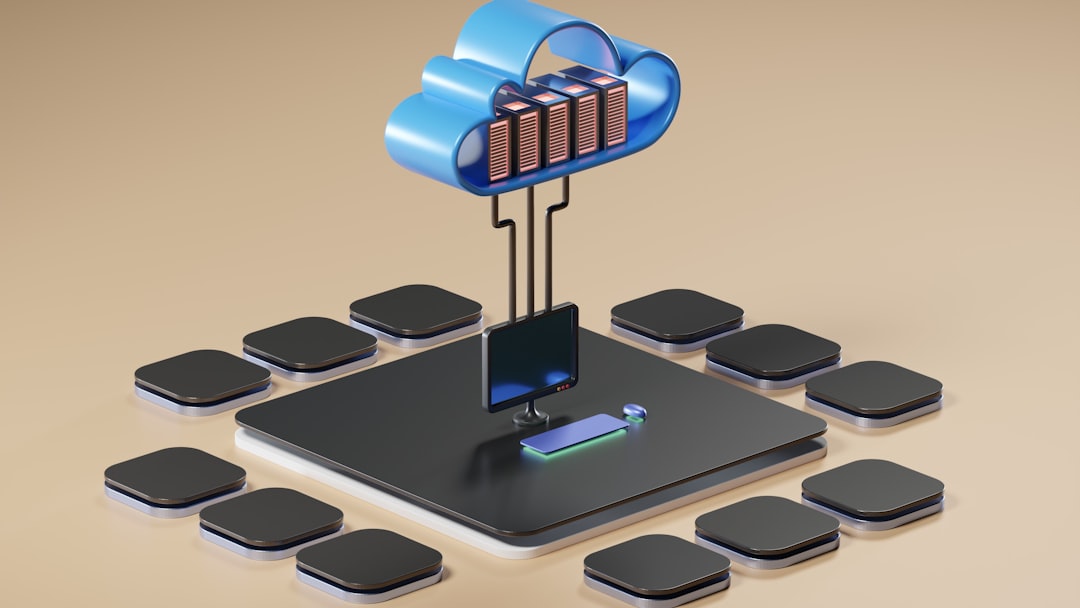
The edge handles urgent decisions. The cloud handles training, long-term storage, fleet management, and heavy analytics. A smart city traffic system may adjust lights locally, then send summarized data to the cloud for planning and model improvement.
This split keeps systems fast without losing the benefits of central analysis.
6. Real-Time Data Filters Become Essential
Edge computing is not just about faster compute. It is also about saying no to useless data.
By 2026, more organizations will use edge nodes as filters. These systems will clean, compress, label, and summarize data before it goes anywhere else. That can cut bandwidth costs and make cloud analytics cleaner.
Consider a fleet of delivery vehicles. A truck may collect video, GPS, engine data, brake events, temperature readings, and driver alerts. Sending all of that raw data all day is wasteful. Sending only useful events is smarter.
7. Industrial Edge Platforms Get More Practical
Manufacturing, energy, logistics, and utilities are prime edge markets. In 2026, industrial edge platforms will become easier to deploy, though not always painless.
Companies want tools that integrate with PLCs, SCADA systems, cameras, sensors, and existing ERP software. The hard part is that many plants run old machines with odd protocols. Expect to waste time on connector issues, firmware quirks, and dashboards that show “connected” while half the data is stale.
Still, the payoff is clear. Edge systems can spot machine vibration changes, detect overheating, and trigger maintenance before failure. That means fewer shutdowns and less scrap.
8. Retail Edge Expands Beyond Checkout
Retail edge computing is often linked to cashierless stores, but 2026 will bring broader use cases.
- Smart shelves track stock gaps in near real time.
- In-store cameras count foot traffic without sending identifiable video to the cloud.
- Cold chain sensors alert staff when freezer temperatures drift.
- Local recommendation systems personalize digital signs based on store activity.
Retailers care about margins. If edge systems can reduce spoilage by even 8% or cut restocking delays by 15 minutes per aisle, the return becomes easier to defend.
9. Regulations Push Data Processing Closer to Home
Privacy rules are helping edge computing grow. Many organizations now need to limit where personal, health, financial, or location data travels.
Edge processing supports this by keeping sensitive data local. A hospital can analyze patient monitoring data on site and send only anonymized trends to central systems. A bank branch can process camera analytics locally without storing raw footage in a distant cloud region.
This trend will be especially strong in healthcare, finance, public services, and education.
10. Edge Observability Becomes a Buying Priority
Running one edge site is manageable. Running 5,000 is a different story.
In 2026, companies will demand better observability for edge fleets. They need to know which devices are online, which models are outdated, which nodes are overheating, and which apps are failing.
This is where many projects get messy. Edge systems often fail quietly. A camera drops frames. A gateway loses sync. A model drifts after lighting changes in a warehouse. Without strong monitoring, teams find out only after business users complain.

What This Means for Buyers in 2026
The smartest edge computing plans will start with a clear question: what decision must happen locally? If the answer is “none,” the cloud may be enough. If the answer involves safety, uptime, privacy, or real-time action, edge computing deserves a serious look.
Buyers should compare vendors on six points:
- Latency: Can the system respond within the required time?
- Security: How are devices authenticated and updated?
- Offline mode: What happens when connectivity drops?
- Model management: How are AI updates tested and rolled out?
- Integration: Does it work with existing machines and software?
- Total cost: What are the hardware, bandwidth, support, and cloud costs?
Edge computing in 2026 will not be about putting servers everywhere for the sake of it. It will be about placing intelligence where delay, data volume, or regulation makes central processing too slow, too costly, or too risky. The companies that get this right will build systems that feel faster, safer, and far less wasteful.