
Choosing between BrightEdge and Ahrefs is not simply a question of which SEO tool has more data. For enterprise teams, the better decision depends on workflow maturity, reporting requirements, stakeholder visibility, technical SEO needs, and how closely SEO must connect with content, analytics, and revenue systems.
TLDR: BrightEdge is better suited to large enterprises that need managed workflows, executive reporting, content recommendations, and integrations across global teams. Ahrefs is stronger for backlink analysis, competitive research, keyword discovery, and fast tactical SEO work at a more transparent price point. For example, a 40-person digital marketing team managing 120,000 indexed pages may justify BrightEdge if it reduces reporting time by 30% and standardizes SEO decisions across regions, while a lean in-house SEO team may get 80% of its research needs covered with Ahrefs at a much lower annual cost.
Platform Positioning: Enterprise Operating System vs SEO Research Suite
BrightEdge is an enterprise SEO and content performance platform. Its value is not limited to rank tracking or keyword research; it is designed to help large organizations manage SEO programs at scale. This includes content recommendations, technical auditing, share of voice reporting, forecasting, dashboards, and integrations with analytics and business intelligence systems.
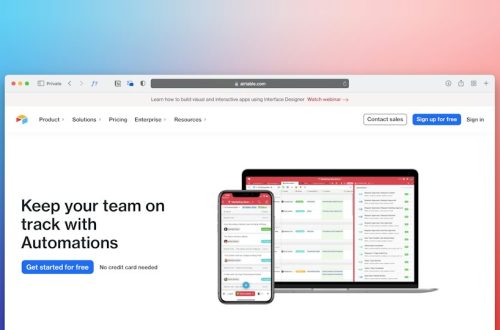
Ahrefs, by contrast, is widely known as a powerful SEO research suite. It excels in backlink analysis, keyword research, competitor intelligence, content gap discovery, SERP analysis, and site auditing. Ahrefs is often favored by SEO specialists, agencies, content teams, and technical marketers who want fast access to reliable data without lengthy onboarding.
The practical difference is clear: BrightEdge is built for enterprise SEO management, while Ahrefs is built for SEO investigation and execution. Both can support enterprise SEO, but they do so in different ways.

Feature Comparison
Keyword Research and Ranking Data
Ahrefs provides extensive keyword databases across many countries and search engines. Its Keyword Explorer offers keyword difficulty, traffic potential, parent topics, SERP overview, click metrics, and ranking history. For SEO practitioners, this makes Ahrefs highly practical for discovering opportunities and assessing competition quickly.
BrightEdge also provides keyword tracking and discovery, but its strength lies in connecting keyword data to business outcomes and content strategy. Features such as Data Cube and Share of Voice help enterprise teams understand market visibility at scale. BrightEdge is especially useful when teams need to monitor thousands of keywords across categories, regions, brands, and competitors.
Backlink Analysis
Ahrefs is one of the strongest platforms in the market for backlink intelligence. Its crawler and index are central to its reputation. Users can analyze referring domains, broken backlinks, anchor text, link velocity, competitor link profiles, and link intersect opportunities. For link building, digital PR, and competitive backlink research, Ahrefs is typically the more practical choice.
BrightEdge includes competitive and off-page visibility features, but backlink analysis is not usually the main reason companies buy it. Enterprise teams that need deep link prospecting and link diagnostics may still keep Ahrefs alongside BrightEdge.
Technical SEO
Ahrefs Site Audit is efficient, visual, and accessible. It can identify crawlability issues, broken pages, redirects, duplicate content, missing tags, Core Web Vitals indicators, internal linking issues, and JavaScript-related concerns. It is especially useful for teams that need quick diagnostics and recurring site health checks.
BrightEdge offers enterprise-level technical monitoring through tools such as ContentIQ. It is more oriented toward large-scale governance, issue prioritization, and organizational reporting. For a company managing multiple domains, regional websites, and complex templates, BrightEdge can help turn technical findings into workflows and accountabilities.
Content Strategy and Optimization
BrightEdge has a strong advantage in enterprise content operations. It can provide recommendations based on search demand, competitive gaps, content performance, and ranking opportunities. Its content-focused workflows are useful for organizations where SEO teams must coordinate with writers, product marketers, legal reviewers, and regional stakeholders.
Ahrefs also supports content strategy well, especially through Content Explorer, keyword gap analysis, top pages reports, and SERP research. However, it is less prescriptive as an enterprise workflow system. Ahrefs tells skilled users what is happening and where opportunities exist; BrightEdge is more focused on operationalizing what to do next.

Reporting and Executive Visibility
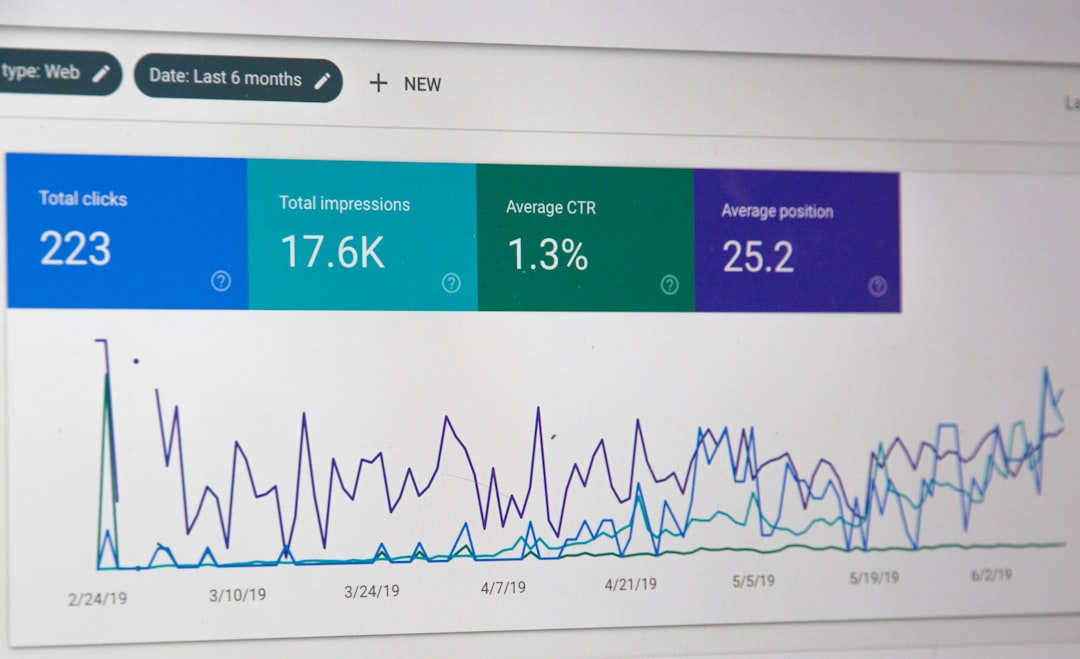
This is one of the clearest differences between the two platforms. BrightEdge is designed for enterprise reporting. It offers dashboards, scorecards, forecasting, competitive visibility, and performance views that can be adapted for executives, SEO leads, content managers, and regional teams. For organizations where SEO performance must be reported to senior leadership, BrightEdge provides a more structured environment.
Ahrefs reporting is useful but more practitioner-oriented. It is excellent for audits, exports, dashboards, and analysis, but it is not primarily built as an executive performance management platform. A skilled team can produce strong reports from Ahrefs, but it may require additional work in spreadsheets, Looker Studio, Power BI, or another reporting layer.
Integrations and Workflow
BrightEdge typically performs better in complex enterprise environments because it is built to integrate with analytics platforms, content management processes, and business reporting ecosystems. Many clients also receive onboarding, customer success, training, and strategic support, which can be important for large organizations trying to standardize SEO practices.
Ahrefs offers a simpler, more self-service experience. It has data exports, APIs on higher-tier plans, and integrations that support SEO workflows, but it is not as deeply oriented toward enterprise change management. That simplicity is also an advantage: teams can start using Ahrefs quickly without long procurement, onboarding, or implementation cycles.
Pricing Comparison
BrightEdge pricing is custom and generally positioned for mid-market to large enterprise customers. Contracts are typically annual and may vary based on domains, keyword volume, markets, modules, integrations, and service levels. Public pricing is not usually available, and buyers should expect a sales-led process. For larger deployments, annual costs can move into five or six figures depending on scope.
Ahrefs pricing is more transparent, with published subscription tiers for individuals, teams, and enterprise users. Standard plans are generally far less expensive than a full enterprise BrightEdge contract, while Ahrefs Enterprise is priced for larger organizations that need more users, higher limits, API access, security features, and centralized administration. Exact prices and limits can change, so buyers should confirm current terms directly before budgeting.
The pricing distinction is not just “expensive versus affordable.” BrightEdge pricing includes enterprise enablement, strategic support, and operational infrastructure. Ahrefs pricing is more closely tied to access, usage limits, data, and product functionality.
Performance and Data Reliability
In day-to-day performance, Ahrefs is fast, familiar, and highly effective for research. Its backlink database, keyword tools, and competitive intelligence are among the reasons many SEO professionals keep it in their toolkit even when their organization uses another enterprise platform.
BrightEdge performance should be evaluated differently. Its value is measured by whether it improves enterprise SEO governance: fewer duplicated reports, better visibility across markets, faster prioritization, and stronger alignment between SEO and content investment. In a large organization, saving 10 hours per week across five SEO managers can be more valuable than having another tactical dataset.
Which Platform Should You Choose?
Choose BrightEdge if your organization has complex SEO operations, multiple stakeholders, large content inventories, and a need for executive-level reporting. It is especially suitable for global brands, large ecommerce businesses, publishers, financial services companies, healthcare organizations, and enterprises where search visibility must be managed as a strategic channel.
Choose Ahrefs if your priority is high-quality SEO research, backlink analysis, keyword discovery, technical auditing, and competitive intelligence. It is a strong fit for in-house SEO teams, agencies, SaaS companies, content-led businesses, and enterprise SEO specialists who need speed and depth without a heavy platform implementation.
Final Verdict
BrightEdge and Ahrefs are not direct substitutes in every case. BrightEdge is a comprehensive enterprise SEO platform designed to manage strategy, reporting, workflows, and content performance at scale. Ahrefs is a best-in-class SEO research and analysis tool that gives practitioners fast, actionable intelligence.
For many large companies, the best setup may involve both: BrightEdge for enterprise governance and stakeholder reporting, and Ahrefs for deep backlink research, keyword validation, and competitive investigation. If budget requires choosing one, the deciding factor should be organizational complexity. The more your SEO success depends on cross-functional coordination and executive visibility, the stronger the case for BrightEdge. The more your success depends on hands-on research, competitive analysis, and tactical execution, the stronger the case for Ahrefs.