B2B fashion ecommerce is no longer a “nice extra.” It is the main showroom, order desk, catalog, and sales assistant for many wholesale apparel brands. Buyers want speed. They want clear pricing. They want to reorder bestsellers while drinking coffee. Your job is to make that easy, pleasant, and maybe even a little fun.
TLDR: A great B2B fashion ecommerce store should feel simple, fast, and built for busy buyers. Show clear product data, wholesale pricing, inventory, and easy reordering tools. Make the shopping journey smooth on desktop and mobile. Support buyers with strong visuals, smart search, and helpful customer service.
Think Like a Busy Buyer
Wholesale buyers do not browse like regular shoppers. They have budgets. They have deadlines. They may be buying for a boutique, department store, online shop, or chain of stores.
They need answers fast. Is this style available? What colors are in stock? What is the minimum order? When can it ship?
So your ecommerce site should not feel like a maze. It should feel like a shortcut.
Make these details easy to find:
- Wholesale price and suggested retail price
- Minimum order quantity
- Size runs and color options
- Stock levels
- Fabric details
- Care instructions
- Shipping dates
- Pack quantities
If buyers must email you for basic facts, your site is working too hard in the wrong direction.
Create a Private Wholesale Experience
B2B fashion ecommerce often needs a login wall. Not every visitor should see wholesale prices. Some brands sell to both shoppers and retailers. That means pricing must stay tidy.
Use a private portal for approved buyers. Once logged in, buyers should see their correct price list, payment terms, and order history.
This makes the experience feel personal. It also avoids confusion. A small boutique may have different terms than a large retailer. Your site should handle that without drama.
Good B2B portals include:
- Customer specific pricing
- Saved shipping addresses
- Approved payment terms
- Downloadable invoices
- Past orders
- Quick reorder buttons
Think of it as a VIP room. But with more spreadsheets.
Image not found in postmetaUse Product Pages That Sell and Inform
In fashion, visuals matter. A lot. Buyers need to imagine how each piece will look on their racks, in campaign photos, and on real customers.
Use clean product images. Show front, back, side, fabric texture, and fit. Add images on models when possible. Show close ups of details like buttons, seams, trims, and prints.
But do not stop at pretty pictures. Add strong product data too.
A great product page should include:
- Style name and number
- Season or collection
- Available colors
- Available sizes
- Fabric composition
- Fit notes
- Country of origin
- Case pack or size pack
- Expected delivery window
Short descriptions are best. Buyers do not need a poem about a blazer. They need to know if it is oversized, lined, washable, and trending.
Make Ordering Fast
B2B buyers may order dozens or hundreds of units at once. Adding one item at a time can feel painful. Like folding 300 sweaters by hand.
Give buyers tools that save clicks.
Useful ordering features include:
- Matrix ordering by size and color
- Bulk add to cart
- Quick order by SKU
- CSV upload for large orders
- Saved carts
- Reorder from past invoices
The checkout should also be simple. Do not ask for information you already have. Do not hide shipping rules. Do not surprise buyers at the last step.
Surprises are great at birthday parties. Not in wholesale checkout.
Show Real Time Inventory
Inventory mistakes can damage trust. If a buyer places an order and later learns half of it is out of stock, they will not clap.
Show accurate inventory when possible. If stock is low, say so. If a style is available for preorder, make that clear. If it is sold out, suggest similar items.
Use labels like:
- In stock
- Low stock
- Preorder
- Backorder
- Coming soon
- Discontinued
This helps buyers plan. It also reduces emails to your team. Everyone wins. Even the inbox.
Offer Smart Search and Filters
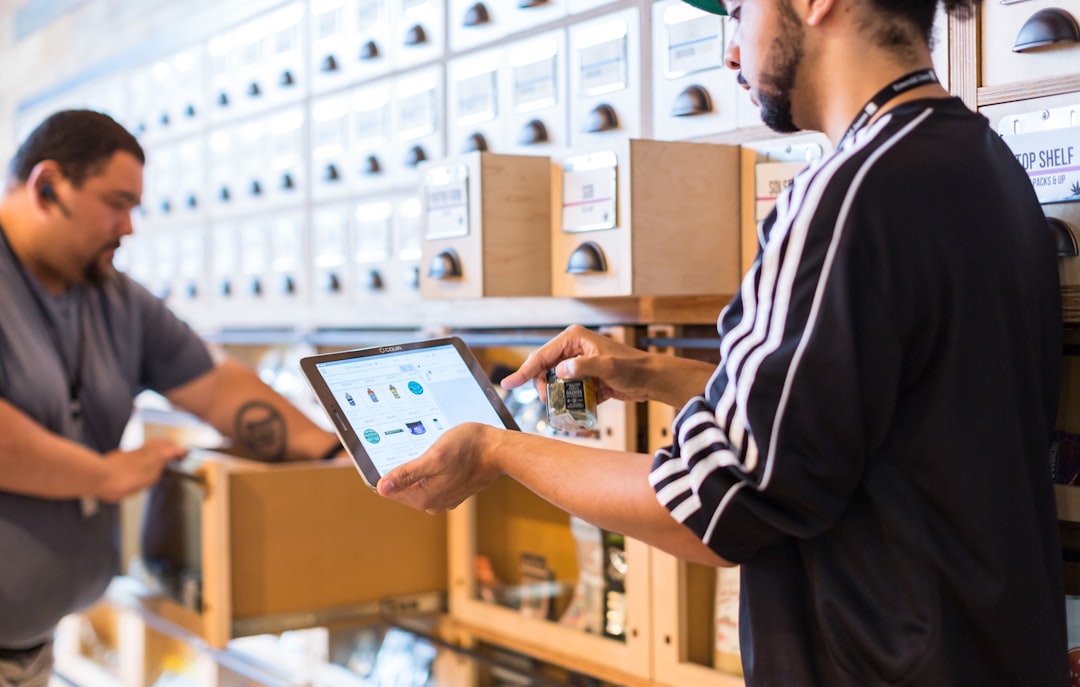
Buyers often know what they want. They may search for “black midi dress,” “linen shirt,” or a style number from your lookbook.
Your search tool should handle that.
Add filters for:
- Category
- Color
- Size
- Season
- Collection
- Fabric
- Price range
- Availability
Filters are quiet heroes. They turn a huge catalog into a neat little rack. Buyers can move faster. They can discover more. They may even add extra items. That is the good kind of “oops.”
Make Mobile Work Beautifully
Many buyers shop from laptops. But they also check lines on phones. They may place reorders while traveling. They may review inventory from the sales floor.
Your B2B site must work on mobile. Buttons should be easy to tap. Images should load fast. Text should be readable. Size grids should not break into chaos.
Mobile B2B is not optional. It is part of the job now.
Support Preorders and Seasonal Lines
Fashion runs on seasons. Spring, summer, fall, resort, capsule drops, holiday collections. It can get wild.
Your ecommerce platform should support preorder workflows. Buyers should see future delivery dates. They should know order deadlines. They should understand payment timing.
Create clear collection pages. Add digital line sheets. Offer lookbooks. Let buyers shop directly from them if possible.
A good preorder setup helps you forecast demand. It also helps factories, warehouses, and sales teams prepare. Less guessing. More planning. Fewer panic snacks.
Use Strong Content to Help Buyers Sell
Your buyer is not the final customer. They must resell your products. Help them do it.
Give them marketing assets inside the portal. This can include product photos, lifestyle images, size charts, videos, and product copy.
You can also share trend notes. Tell buyers why a color matters. Explain what makes a fabric special. Suggest styling ideas.
Helpful content builds confidence. It also makes your brand easier to sell in stores and online.
Keep Payments Flexible
B2B payments are different from direct to consumer payments. Some buyers pay by card. Some use bank transfer. Some need net terms. Some need invoices approved by a finance team.
Offer payment options that fit wholesale habits.
- Credit card payments
- Bank transfers
- Net 30 or net 60 terms
- Deposits for preorders
- Split payments
- Invoices and receipts
Be clear about rules. If payment is due before shipping, say it. If terms must be approved, explain how. Clear payment details reduce awkward conversations later.
Connect Ecommerce With Your Back Office
Your ecommerce site should not live alone on a lonely island. It should connect with your inventory, accounting, warehouse, and customer management systems.
When systems talk to each other, errors drop. Orders move faster. Sales reps see better data. Buyers get better updates.
Important integrations may include:
- ERP software
- Inventory systems
- Warehouse tools
- Accounting platforms
- CRM systems
- Email marketing tools
Automation is not about removing people. It is about removing boring manual work. People can then focus on relationships, sales, and strategy.
Give Sales Reps Superpowers
B2B ecommerce does not replace sales reps. It can make them stronger.
Give reps access to customer accounts, order drafts, product availability, and buyer history. Let them build carts for customers. Let them send custom links. Let them review performance by account.
This blends human service with digital speed. Buyers can self serve when they want. They can call a rep when they need advice.
That is a great mix. Like sneakers with a suit. Unexpected, but it works.
Measure What Matters
Do not just launch your site and hope it behaves. Track performance.
Watch key metrics like:
- Average order value
- Repeat order rate
- Cart abandonment
- Top selling styles
- Search terms
- Out of stock requests
- Buyer login frequency
This data tells a story. Maybe buyers search for a size you do not offer. Maybe they love one color more than expected. Maybe checkout is too long.
Use the data. Improve the site. Then improve it again.
Final Stitch
B2B fashion ecommerce should be clean, fast, and buyer friendly. It should make wholesale ordering feel less like paperwork and more like progress.
Start with clear product information. Add easy ordering tools. Support preorders. Show real inventory. Give buyers the content they need to sell your brand.
Most of all, respect their time. A smooth ecommerce experience can help your wholesale apparel brand grow, strengthen relationships, and sell more styles with fewer headaches.
And that is always in fashion.