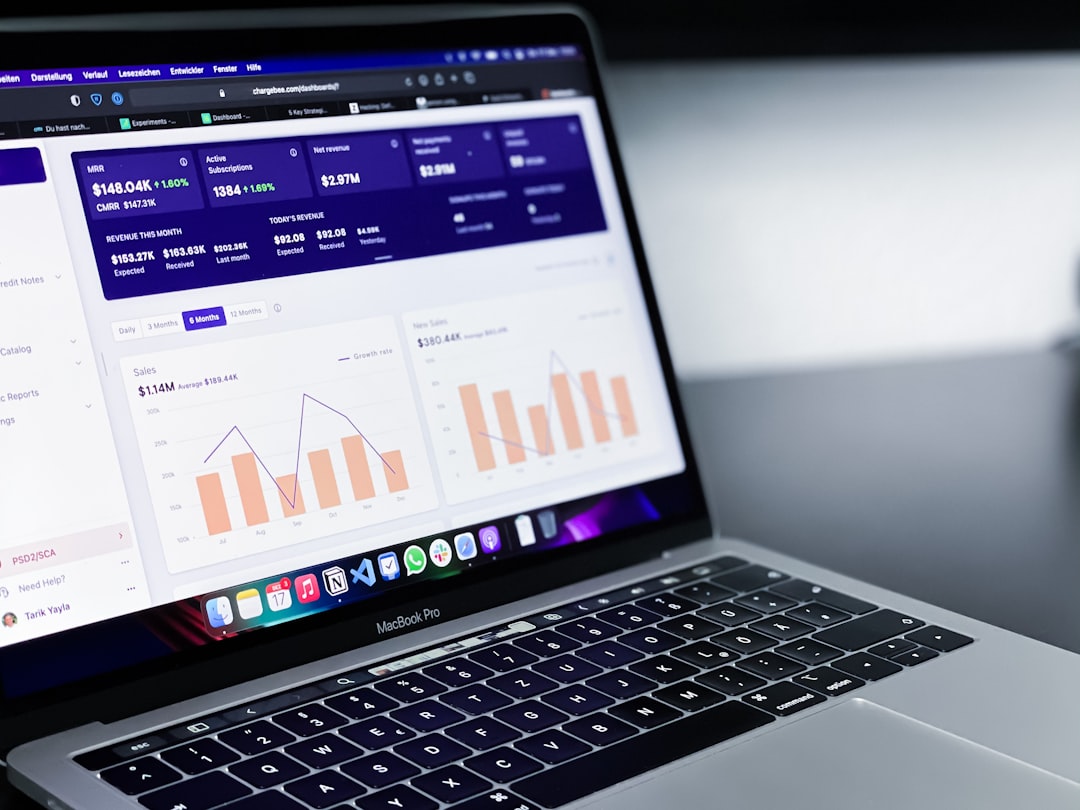

Conversion rate optimization works best when teams stop guessing and start studying how visitors actually behave. The strongest CRO tools reveal where users hesitate, which messages persuade them, and which page elements create friction. For businesses that want more leads, purchases, signups, or demo requests from existing traffic, the right software can turn small website improvements into measurable revenue gains.
TLDR: The best CRO tools help teams understand user behavior, test better experiences, and improve conversion rates without relying on assumptions. A strong CRO stack often includes analytics, heatmaps, A/B testing, landing page builders, and user feedback tools. The six tools below stand out because they help websites identify friction, validate ideas, and increase conversions with data-backed decisions.
1. Google Analytics 4: Best for Conversion Tracking and Traffic Insights
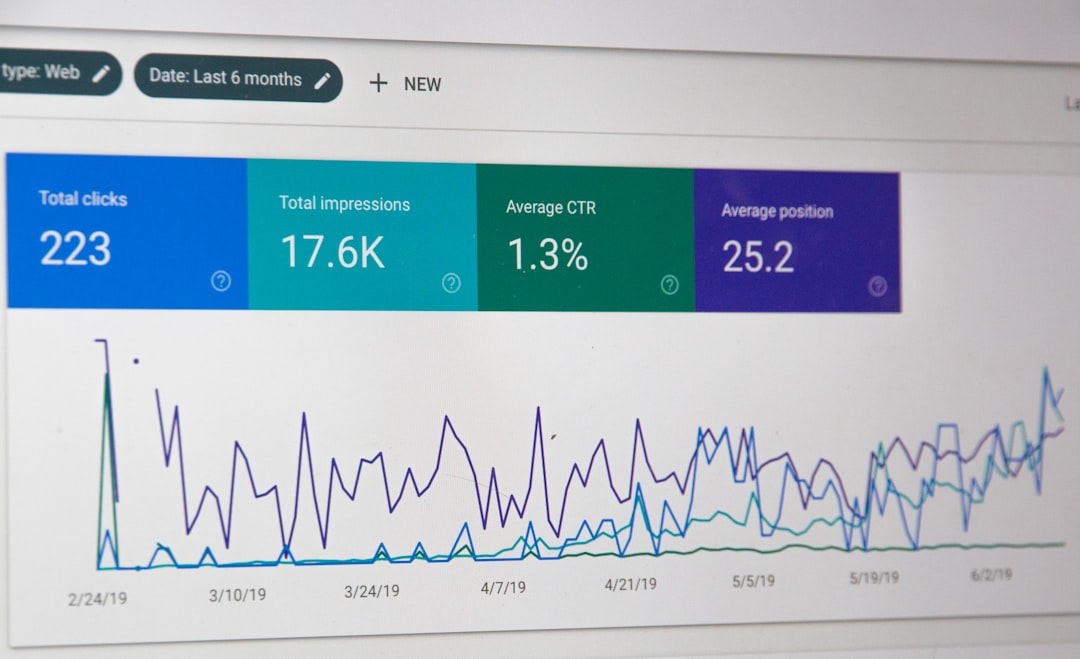
Google Analytics 4, commonly known as GA4, is one of the most important CRO tools because it shows what visitors do before they convert or leave. It helps marketing teams track key events such as form submissions, purchases, button clicks, video engagement, and checkout steps.
GA4 is especially useful for understanding which traffic sources produce the highest-value visitors. A website may attract thousands of visitors from social media, search, paid ads, and email, but not every channel converts at the same rate. GA4 helps teams compare these sources and focus optimization efforts where they matter most.
- Best for: Tracking conversions, user journeys, and acquisition channels
- Key features: Event tracking, funnel exploration, audience segmentation, ecommerce reporting
- CRO value: Shows where visitors come from, what they do, and where they drop off
Although GA4 has a learning curve, it provides a strong foundation for every CRO program. Without reliable analytics, teams may optimize the wrong pages or measure the wrong outcomes.

2. Hotjar: Best for Heatmaps and User Behavior Insights
Hotjar helps teams see how visitors interact with website pages through heatmaps, session recordings, surveys, and feedback widgets. Instead of only showing numbers, it reveals visual behavior patterns such as where users click, how far they scroll, and which sections they ignore.
For CRO, this is valuable because a page may look well designed, but visitors may still struggle to find important calls to action. Hotjar can show whether users overlook pricing information, abandon forms, or repeatedly click non-clickable elements. These insights often lead to quick wins, such as moving a CTA higher on the page or simplifying a confusing section.
- Best for: Understanding on-page behavior
- Key features: Heatmaps, recordings, feedback polls, surveys
- CRO value: Identifies friction that traditional analytics may not explain
Hotjar is particularly helpful for content pages, landing pages, product pages, and signup flows. It gives marketers, designers, and product teams a shared view of real visitor behavior.
3. VWO: Best for A/B Testing and Experimentation
VWO is a powerful CRO platform designed for experimentation. It allows teams to run A/B tests, split URL tests, multivariate tests, and personalization campaigns. When a website team has hypotheses about what might increase conversions, VWO helps validate those ideas with controlled experiments.
For example, a team may test two different headlines, compare short and long landing pages, or experiment with alternative checkout layouts. Rather than relying on opinions, VWO measures which version performs better based on actual visitor behavior.
- Best for: Testing conversion hypotheses
- Key features: A/B testing, personalization, behavioral targeting, reports
- CRO value: Confirms which design, copy, or layout changes improve conversions
VWO is a strong choice for growing businesses that already have steady website traffic. Since experiments require enough visitors to reach meaningful results, it works best when a site has sufficient volume on the pages being tested.
4. Optimizely: Best for Advanced Experimentation Programs
Optimizely is often used by larger companies and mature growth teams that need a comprehensive experimentation platform. It supports web experimentation, personalization, feature testing, and advanced targeting. For organizations running many tests across multiple teams, Optimizely provides the structure and scalability needed to manage experimentation properly.
The platform is especially useful when CRO is not limited to simple page changes. Teams can test different user experiences, product features, messaging strategies, and personalized journeys for different audience segments. This makes Optimizely valuable for ecommerce brands, SaaS companies, media platforms, and enterprises with complex digital experiences.
- Best for: Enterprise-level CRO and experimentation
- Key features: Web testing, feature experimentation, personalization, audience targeting
- CRO value: Enables structured, scalable testing across complex websites
Optimizely may be more advanced than smaller businesses need, but for teams with serious testing programs, it can become a central part of the optimization workflow.
5. Crazy Egg: Best for Simple Visual Website Optimization
Crazy Egg is a user-friendly CRO tool focused on visual reports and straightforward testing. It offers heatmaps, scroll maps, confetti reports, session recordings, and A/B testing tools. Its simplicity makes it attractive for small businesses, bloggers, agencies, and marketers who want practical insights without a complicated setup.
One of Crazy Egg’s most useful features is the confetti report, which displays clicks by traffic source, device type, search term, or other visitor segments. This can help teams discover whether users from paid ads behave differently from organic search visitors, or whether mobile users struggle with a specific CTA.
- Best for: Fast visual insights and simple page testing
- Key features: Heatmaps, scroll maps, recordings, A/B testing
- CRO value: Makes it easier to spot weak page areas and test improvements
Crazy Egg is a practical choice for teams that want quick feedback on page performance and do not need a large enterprise experimentation system.
6. Unbounce: Best for High-Converting Landing Pages
Unbounce is a landing page builder built for conversion-focused campaigns. It allows teams to create, publish, and test landing pages without depending heavily on developers. This is especially useful for paid advertising campaigns, lead generation offers, product launches, webinars, and seasonal promotions.
Unbounce includes templates, drag-and-drop editing, popups, sticky bars, A/B testing, and AI-assisted optimization features. Its main CRO advantage is speed. Marketing teams can quickly create dedicated landing pages for specific audiences instead of sending every visitor to a generic homepage.
- Best for: Building and testing campaign landing pages
- Key features: Landing page builder, A/B testing, popups, sticky bars, templates
- CRO value: Helps match page messaging to campaign intent and improve lead capture
Dedicated landing pages often convert better because they remove distractions and focus on one desired action. For companies investing in paid traffic, Unbounce can help improve return on ad spend by increasing the percentage of visitors who become leads or customers.
How to Choose the Right CRO Tool
The best CRO tool depends on a website’s goals, traffic volume, budget, and team maturity. A newer website may benefit most from GA4 and Hotjar because these tools reveal what is happening and why visitors may not convert. A site with higher traffic may need VWO or Optimizely to run statistically valid experiments. Campaign-heavy teams may get the most value from Unbounce, while teams seeking quick visual insights may prefer Crazy Egg.
A balanced CRO stack often includes three capabilities: measurement, behavior analysis, and experimentation. Measurement tools show performance, behavior tools reveal friction, and experimentation tools prove which changes work. When these capabilities are combined, teams can build a repeatable process for improving conversions over time.
FAQ
What is a CRO tool?
A CRO tool is software that helps improve the percentage of website visitors who complete a desired action, such as buying a product, submitting a form, booking a demo, or signing up for a newsletter.
Which CRO tool is best for beginners?
GA4, Hotjar, and Crazy Egg are strong beginner-friendly options. They help teams understand traffic behavior and identify conversion problems before investing in advanced testing platforms.
Are A/B testing tools necessary for CRO?
A/B testing tools are not always necessary at the start, but they become important when a website has enough traffic to test changes reliably. They help teams confirm whether a new design, headline, offer, or layout truly improves performance.
Can CRO tools increase conversions immediately?
CRO tools can reveal quick opportunities, but results depend on the quality of the changes made. The tools provide data and insights; teams still need strong strategy, clear messaging, and consistent testing.
What is the best free CRO tool?
Google Analytics 4 is one of the best free CRO tools because it tracks traffic sources, user behavior, events, and conversion paths. It is often the first tool a team should configure before deeper optimization begins.